
Seasonal Monsoon Fruits: 7 Healthy Fruits You Should Add To Your Diet This Rainy Season

The monsoon brings relief from scorching summer temperatures, but the rainy season also changes the way people approach food and everyday eating habits. With humidity rising and temperatures fluctuating, choosing fresh, clean and nutritious foods becomes particularly important. Seasonal fruits can be an easy addition to regular meals, offering natural sweetness along with vitamins, minerals, fibre and water. From tangy jamun to juicy pears and nutrient-rich pomegranate, several fruits are widely available during this period. According to nutrition experts, including a variety of fruits in a balanced diet can help improve overall nutrient intake without making meals complicated or restrictive.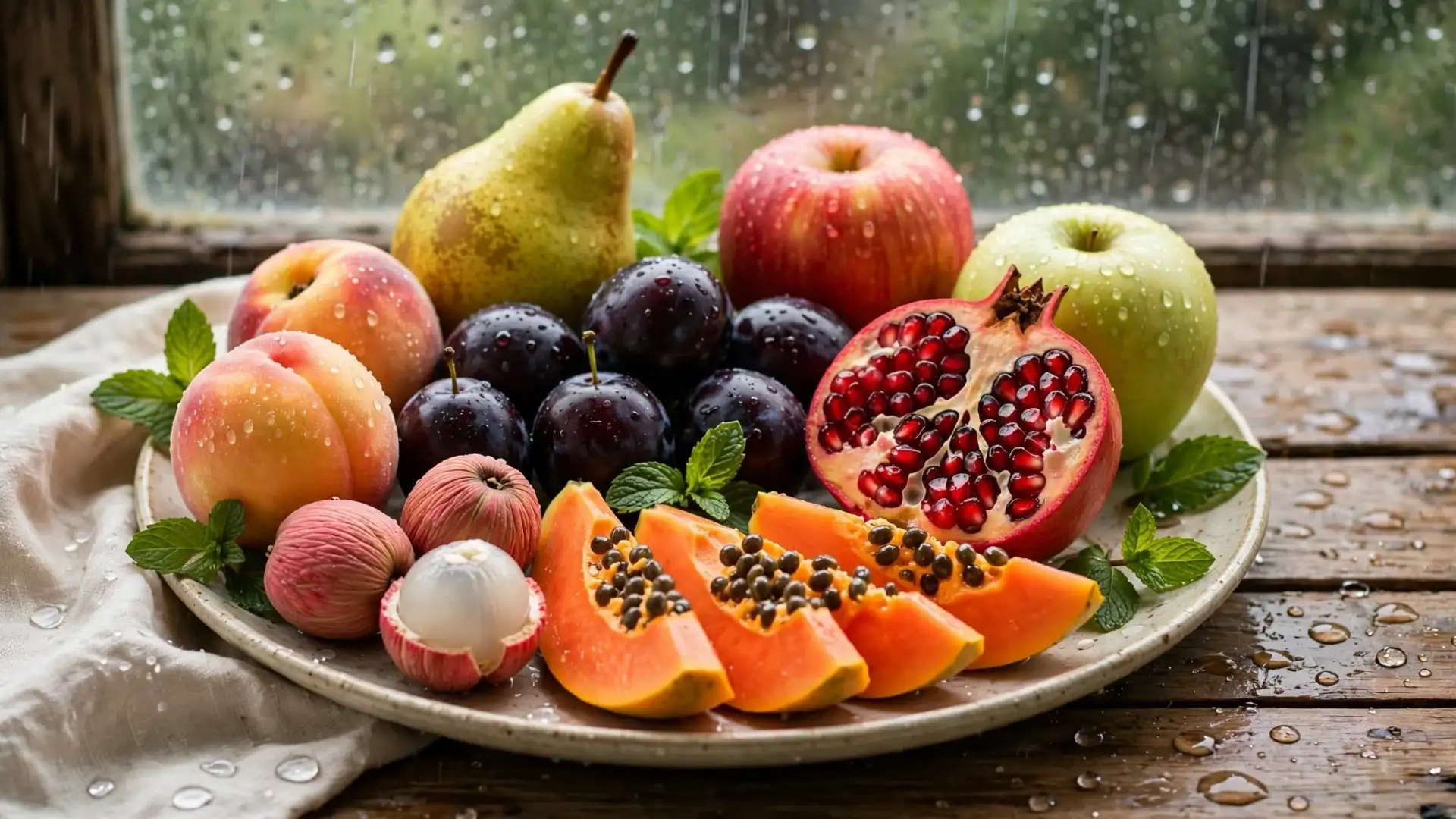
The fruit contains fibre and several micronutrients, making it a useful addition to a varied diet. It can be eaten fresh after washing thoroughly or added to simple fruit preparations.
They also provide dietary fibre and water. According to experts, fibre-rich foods can form an important part of a balanced eating pattern, particularly when meals contain a good mix of fruits, vegetables and whole grains.
They provide fibre and various nutrients, while their versatility means they can be eaten whole, chopped into a fruit bowl or combined with other ingredients. Washing fresh produce properly before consumption is particularly important during the monsoon.
The fruit contains fibre and naturally occurring plant compounds. Industry watchers in nutrition note that variety is useful when planning a healthy diet, as different fruits provide different combinations of nutrients.
It also contains fibre and vitamin C. Choosing fresh, properly handled fruit is important, particularly during humid weather.
It is also sensible to avoid fruit that appears bruised, spoiled or improperly stored. According to food-safety experts, careful handling and clean preparation are important throughout the year and become especially relevant when environmental conditions are humid.
A varied selection of seasonal fruits, combined with vegetables, whole grains, adequate protein and sufficient fluids, can make a balanced monsoon diet more diverse and enjoyable.
Image Courtesy: Meta AI
Jamun Adds A Seasonal Touch
Jamun is one of the fruits closely associated with the monsoon season in India. Its distinctive purple-black skin and mildly sour, astringent flavour make it a popular rainy-season snack.The fruit contains fibre and several micronutrients, making it a useful addition to a varied diet. It can be eaten fresh after washing thoroughly or added to simple fruit preparations.
Pears Offer A Refreshing Choice
Pears are another option that can work well in a monsoon fruit platter. Their naturally sweet flavour and juicy texture make them easy to eat on their own.They also provide dietary fibre and water. According to experts, fibre-rich foods can form an important part of a balanced eating pattern, particularly when meals contain a good mix of fruits, vegetables and whole grains.
Apples Remain An Easy Everyday Option
Apples are available widely and can be convenient for people looking for a fruit that is simple to carry and consume.They provide fibre and various nutrients, while their versatility means they can be eaten whole, chopped into a fruit bowl or combined with other ingredients. Washing fresh produce properly before consumption is particularly important during the monsoon.
Pomegranate Brings Colour And Nutrients
Pomegranate is another fruit worth including in a varied monsoon diet. Its juicy seeds have a distinctive sweet-tart flavour and can be eaten separately or added to salads and other dishes.The fruit contains fibre and naturally occurring plant compounds. Industry watchers in nutrition note that variety is useful when planning a healthy diet, as different fruits provide different combinations of nutrients.
Papaya Can Add More Variety
Papaya is a familiar fruit in Indian households and can be included during the rainy season as part of a balanced diet. Its soft texture makes it easy to consume at breakfast or as a snack.It also contains fibre and vitamin C. Choosing fresh, properly handled fruit is important, particularly during humid weather.
Keep Fruit Clean Before Eating
Regardless of which monsoon fruits you choose, hygiene deserves attention during the rainy season. Fresh produce should be washed properly before it is cut or eaten.It is also sensible to avoid fruit that appears bruised, spoiled or improperly stored. According to food-safety experts, careful handling and clean preparation are important throughout the year and become especially relevant when environmental conditions are humid.
A varied selection of seasonal fruits, combined with vegetables, whole grains, adequate protein and sufficient fluids, can make a balanced monsoon diet more diverse and enjoyable.
Image Courtesy: Meta AI
Next Story