
Secret Tunnels Inside World-Famous Monuments

Millions visit the world’s most iconic landmarks every year, snapping pictures and exploring guided routes. Yet, what the average visitor sees is often just the surface. Deep within these monuments lie concealed corridors, secret chambers, and underground networks closed off to the public—some forgotten by time, others deliberately hidden for strategic, religious, or royal reasons.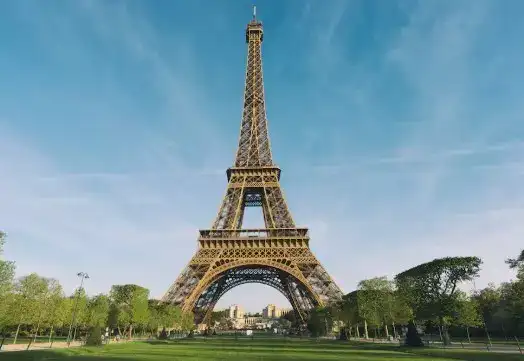
These secret passages hold stories of intrigue, escape, espionage, and mystery, adding new layers to the historic structures we think we know. Here’s a look at some of the world’s most iconic landmarks and the secret areas within them that remain strictly off-limits.
While it has now been partially restored and displayed through a glass window, the original private rooms and any hidden stairways within remain off-limits. Eiffel used it as a quiet retreat and a meeting space for prestigious guests, including Thomas Edison.
The winding staircase and maintenance passages leading to the torch still exist and are used only by select National Park Service staff. For most visitors, the climb ends at the crown—but the torch and its hidden path remain a tantalising no-go zone above them.
In recent years, high-tech scans have revealed previously unknown voids, suggesting even more hidden chambers lie within the structure. These are strictly inaccessible to tourists and heavily monitored by Egypt’s antiquities authorities, preserving their mystery and potential historical secrets.
Although their existence is widely speculated and partially confirmed through historical records, their layout remains undisclosed to the public. These passages are guarded secrets, used only during emergencies or for discreet movement between buildings. No tourist will ever be guided through them, and photographs are strictly prohibited.
Access to the Vatican Secret Archives is granted only to selected scholars with high-level clearance. Many of the passageways, including tunnels linking to Castel Sant’Angelo (a historic fortress), are hidden behind locked gates and massive stone doors. These paths once served as escape routes for Popes during sieges and remain completely inaccessible to the public.
Access has long been denied for conservation and safety reasons, but the mystery surrounding these rooms has fuelled theories ranging from hidden treasure to secret royal archives. Despite public curiosity, these chambers are unlikely to open anytime soon.
Though the chamber was later filled with sealed boxes containing historical documents, the passage remains closed to the public, with no plans for official access. It’s a little-known secret space that adds depth to the already awe-inspiring monument.
Behind the façades of the world's most admired landmarks are secret spaces—some forgotten by time, others actively kept away from the public eye. These hidden areas serve as reminders that history always holds more than meets the eye. Whether created for escape, privacy, or religious purpose, these secret passages enrich the story of these monuments, even if we may never walk through them.
These secret passages hold stories of intrigue, escape, espionage, and mystery, adding new layers to the historic structures we think we know. Here’s a look at some of the world’s most iconic landmarks and the secret areas within them that remain strictly off-limits.
The Eiffel Tower’s Secret Apartment
The Eiffel Tower may be one of the most visited monuments in the world, but it hides an unexpected surprise near its peak. Gustave Eiffel, the tower’s creator, built a private apartment for himself on the third level. Decorated with wooden furniture and a grand piano, the apartment was never accessible to the public during his lifetime.While it has now been partially restored and displayed through a glass window, the original private rooms and any hidden stairways within remain off-limits. Eiffel used it as a quiet retreat and a meeting space for prestigious guests, including Thomas Edison.
The Statue Of Liberty’s Closed Torch Stairway
Few realise that the torch of the Statue of Liberty was once accessible by a narrow spiral staircase, offering breathtaking views over New York Harbour. However, since a mysterious explosion in 1916, the torch has been permanently closed to the public due to safety concerns.The winding staircase and maintenance passages leading to the torch still exist and are used only by select National Park Service staff. For most visitors, the climb ends at the crown—but the torch and its hidden path remain a tantalising no-go zone above them.
The Pyramids Of Giza’s Mysterious Shafts
Beneath the grandeur of the Great Pyramid of Giza lie intricate, unmapped passageways. While visitors can enter the main chamber, several sealed shafts and hidden corridors remain out of reach. Some lead nowhere, others remain unexplored due to fragile conditions and archaeological restrictions.In recent years, high-tech scans have revealed previously unknown voids, suggesting even more hidden chambers lie within the structure. These are strictly inaccessible to tourists and heavily monitored by Egypt’s antiquities authorities, preserving their mystery and potential historical secrets.
London’s Hidden Royal Escape Tunnels
Beneath Buckingham Palace and other royal residences in London lies a network of secret tunnels . Some date back centuries and were designed for royal escape routes, connecting key government buildings in case of threat or invasion.Although their existence is widely speculated and partially confirmed through historical records, their layout remains undisclosed to the public. These passages are guarded secrets, used only during emergencies or for discreet movement between buildings. No tourist will ever be guided through them, and photographs are strictly prohibited.
The Vatican’s Hidden Archives And Tunnels
The Vatican City, the seat of the Catholic Church, holds some of the world’s most closely guarded secrets. Beneath its surface lie miles of tunnels and archive rooms containing ancient religious documents, letters, and artefacts.Access to the Vatican Secret Archives is granted only to selected scholars with high-level clearance. Many of the passageways, including tunnels linking to Castel Sant’Angelo (a historic fortress), are hidden behind locked gates and massive stone doors. These paths once served as escape routes for Popes during sieges and remain completely inaccessible to the public.
The Taj Mahal’s Sealed Basement Chambers
India’s Taj Mahal is a symbol of eternal love, but it also houses sealed underground rooms that remain off-limits. Located beneath the marble platform, these chambers are said to be filled with unused or unfinished tombs and construction relics.Access has long been denied for conservation and safety reasons, but the mystery surrounding these rooms has fuelled theories ranging from hidden treasure to secret royal archives. Despite public curiosity, these chambers are unlikely to open anytime soon.
Mount Rushmore’s Forgotten Hall Of Records
Behind the grandeur of Mount Rushmore lies a nearly unknown chamber: the Hall of Records. Conceived by sculptor Gutzon Borglum, it was meant to house American historical documents and artefacts behind the heads of the presidents. Construction began but was never fully completed due to funding issues and wartime pressures.Though the chamber was later filled with sealed boxes containing historical documents, the passage remains closed to the public, with no plans for official access. It’s a little-known secret space that adds depth to the already awe-inspiring monument.
Next Story