
September Garden Guide: What to Plant, Prune and Grow Now

September can be an exciting month for gardeners. The intense heat of summer begins to ease in many parts of India, while the changing weather creates better conditions for several plants. It is also a useful time to tidy up plants that have become weak or overgrown during the hotter months.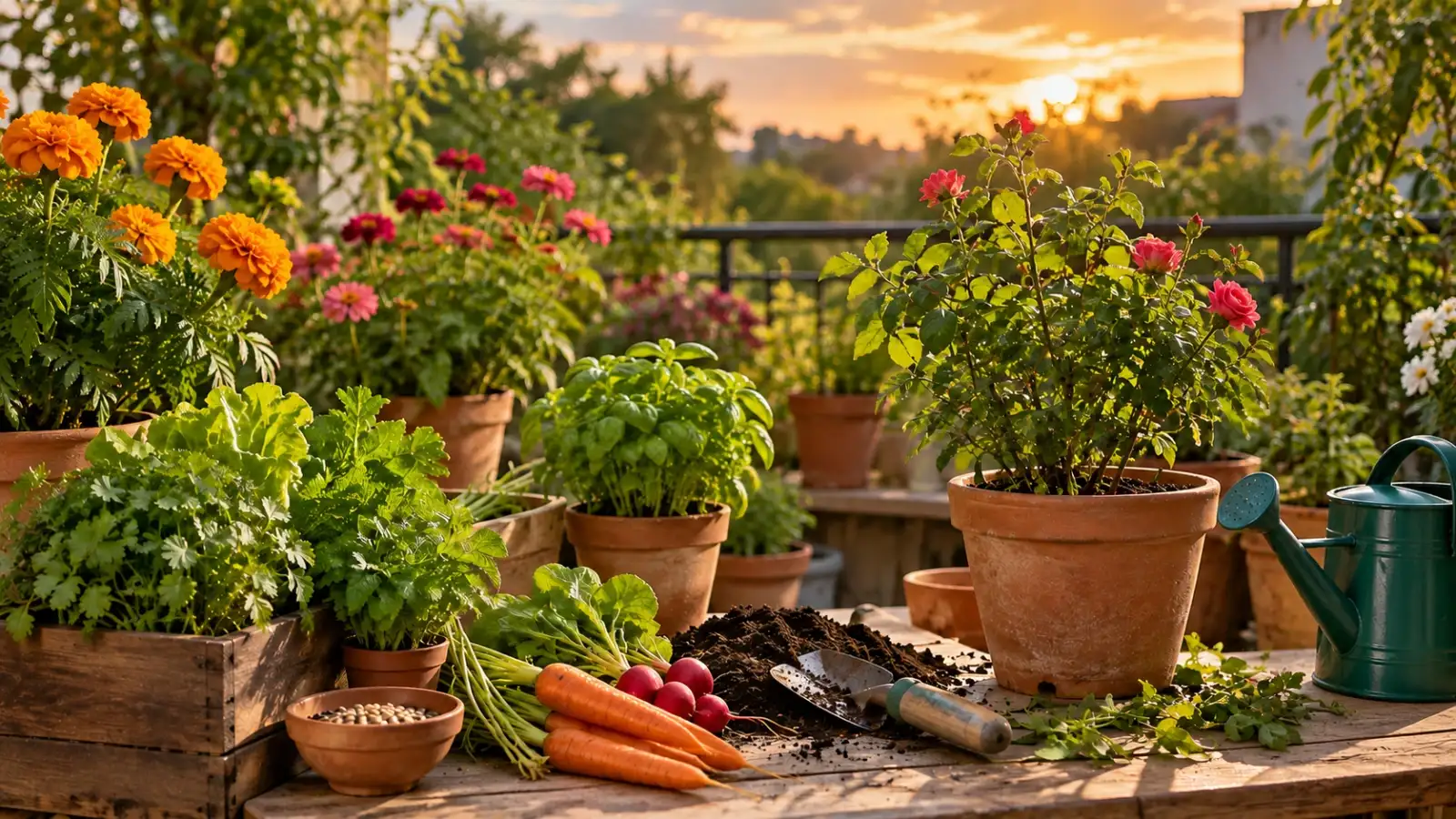
For anyone who enjoys growing plants at home, September gardening is less about doing everything at once and more about choosing the right plants and giving existing ones the care they need. A little pruning, fresh soil and regular watering can help a garden look healthier as the season changes.
Whether you have a large outdoor garden, a balcony filled with pots or just a few plants near a window, September offers plenty of opportunities to grow something new.
Marigolds are particularly useful for home gardens because they are relatively easy to grow and can provide bright flowers for a long period when given suitable sunlight and care. If you are growing flowers from seeds, choose healthy seeds and use loose, well-draining soil rather than heavy soil that stays wet for too long.
September can also be a good time to start several herbs and leafy vegetables. Coriander, mint, fenugreek and other quick-growing greens can work well in containers. A sunny balcony or terrace can become a small kitchen garden with just a few pots.
For larger gardens, you can consider seasonal vegetables according to your local weather. Radish, carrot, beetroot, spinach and peas are among the crops that gardeners commonly grow as temperatures become more comfortable.
Mint is another useful choice, although it is better kept in a separate pot because it can spread quickly. Basil can also be grown where temperatures remain warm, provided it receives enough light.
When planting herbs, avoid overcrowding. Giving each plant enough room allows air to move around the leaves and can reduce problems caused by excessive moisture.
Begin by removing dead, yellowing or diseased leaves. Cut away broken branches and stems using clean, sharp pruning shears. Removing damaged parts can improve the appearance of the plant and prevent them from becoming a source of further problems.
For flowering plants, spent flowers can often be removed to encourage the plant to focus its energy on fresh growth and new blooms. This simple process is known as deadheading.
However, avoid cutting healthy branches simply because they look untidy. Some plants respond better to light pruning, while others require pruning at particular times of the year.
Removing a few unnecessary branches can improve air circulation and allow more light to reach the inner parts of the plant. This can be particularly useful in a crowded garden where several plants are growing close together.
Do not remove a large amount of growth in one session unless the plant specifically requires hard pruning. Gradual trimming is usually a safer approach for many home garden plants.
Gently loosen the top layer of soil without disturbing the roots. If the soil has become extremely compacted or the plant has clearly outgrown its pot, consider repotting it into a slightly larger container.
Make sure every pot has drainage holes. Extra water should be able to escape easily because constantly wet soil can damage roots.
Adding a suitable amount of compost can also help improve the soil. Well-rotted organic matter provides nutrients and can improve soil structure, particularly when used as part of a balanced gardening routine.
Instead, check the soil before watering. Push a finger gently into the top layer and see whether it feels dry. If the soil is still damp, the plant may not need more water.
Early morning is generally a convenient time to water outdoor plants because the plants have time to absorb moisture before the stronger heat of the day. Water the soil around the roots rather than constantly wetting the leaves.
At the same time, do not allow plants to become completely dry, particularly newly planted seedlings and plants growing in small containers.
Check the underside of leaves regularly for insects, eggs or unusual spots. Remove badly affected leaves and keep fallen leaves and plant debris from collecting around the base of plants.
Good air circulation is especially important in humid weather. Avoid placing pots so close together that there is no space between them.
If you notice a serious pest problem, identify the pest before choosing a treatment. Using a random chemical product can sometimes harm beneficial insects as well as the unwanted ones.
This is also a good month to observe your garden. Notice which areas receive morning sunlight and which remain shaded. Check which pots dry out quickly and which stay damp. These small observations can help you make better planting decisions in the months ahead.
A healthy garden is usually the result of regular small actions rather than one major effort. By planting thoughtfully, pruning carefully and paying attention to soil, water and pests, you can help your plants make a strong start to the changing season.
For anyone who enjoys growing plants at home, September gardening is less about doing everything at once and more about choosing the right plants and giving existing ones the care they need. A little pruning, fresh soil and regular watering can help a garden look healthier as the season changes.
Whether you have a large outdoor garden, a balcony filled with pots or just a few plants near a window, September offers plenty of opportunities to grow something new.
What to plant in September
One of the easiest ways to make your garden more interesting this month is to grow seasonal flowers. Depending on your local climate, plants such as marigold, zinnia, celosia and cosmos can add colour to pots and garden beds. These flowers also bring life to an otherwise green space.Marigolds are particularly useful for home gardens because they are relatively easy to grow and can provide bright flowers for a long period when given suitable sunlight and care. If you are growing flowers from seeds, choose healthy seeds and use loose, well-draining soil rather than heavy soil that stays wet for too long.
September can also be a good time to start several herbs and leafy vegetables. Coriander, mint, fenugreek and other quick-growing greens can work well in containers. A sunny balcony or terrace can become a small kitchen garden with just a few pots.
For larger gardens, you can consider seasonal vegetables according to your local weather. Radish, carrot, beetroot, spinach and peas are among the crops that gardeners commonly grow as temperatures become more comfortable.
Add herbs to your kitchen garden
A small herb garden can be one of the easiest gardening projects to start in September. Coriander is particularly popular because it grows quickly and can be harvested regularly.Mint is another useful choice, although it is better kept in a separate pot because it can spread quickly. Basil can also be grown where temperatures remain warm, provided it receives enough light.
When planting herbs, avoid overcrowding. Giving each plant enough room allows air to move around the leaves and can reduce problems caused by excessive moisture.
Time to prune carefully
September is also a good month to inspect plants and remove damaged or unwanted growth. Pruning can help maintain the shape of plants and encourage healthier new growth, but it should not be done aggressively without knowing what a particular plant needs.Begin by removing dead, yellowing or diseased leaves. Cut away broken branches and stems using clean, sharp pruning shears. Removing damaged parts can improve the appearance of the plant and prevent them from becoming a source of further problems.
For flowering plants, spent flowers can often be removed to encourage the plant to focus its energy on fresh growth and new blooms. This simple process is known as deadheading.
However, avoid cutting healthy branches simply because they look untidy. Some plants respond better to light pruning, while others require pruning at particular times of the year.
Give overgrown plants some attention
Plants that have become tall, crowded or uneven during summer may benefit from careful trimming. Look for branches that cross one another or grow towards the centre of the plant.Removing a few unnecessary branches can improve air circulation and allow more light to reach the inner parts of the plant. This can be particularly useful in a crowded garden where several plants are growing close together.
Do not remove a large amount of growth in one session unless the plant specifically requires hard pruning. Gradual trimming is usually a safer approach for many home garden plants.
Refresh your pots and soil
September is also a useful time to check the condition of container plants. After months of hot weather and frequent watering, potting soil can become compacted and lose some of its quality.Gently loosen the top layer of soil without disturbing the roots. If the soil has become extremely compacted or the plant has clearly outgrown its pot, consider repotting it into a slightly larger container.
Make sure every pot has drainage holes. Extra water should be able to escape easily because constantly wet soil can damage roots.
Adding a suitable amount of compost can also help improve the soil. Well-rotted organic matter provides nutrients and can improve soil structure, particularly when used as part of a balanced gardening routine.
Adjust your watering routine
As the weather changes, your watering schedule may need to change too. Avoid following a fixed routine simply because you watered plants that way during summer.Instead, check the soil before watering. Push a finger gently into the top layer and see whether it feels dry. If the soil is still damp, the plant may not need more water.
Early morning is generally a convenient time to water outdoor plants because the plants have time to absorb moisture before the stronger heat of the day. Water the soil around the roots rather than constantly wetting the leaves.
At the same time, do not allow plants to become completely dry, particularly newly planted seedlings and plants growing in small containers.
Watch for pests after the rains
If your area has received regular rainfall, September can bring increased humidity and damp conditions. These conditions may encourage fungal problems and certain garden pests.Check the underside of leaves regularly for insects, eggs or unusual spots. Remove badly affected leaves and keep fallen leaves and plant debris from collecting around the base of plants.
Good air circulation is especially important in humid weather. Avoid placing pots so close together that there is no space between them.
If you notice a serious pest problem, identify the pest before choosing a treatment. Using a random chemical product can sometimes harm beneficial insects as well as the unwanted ones.
Make September a month of simple garden care
September gardening does not have to involve complicated projects. Plant a few seasonal flowers, start a small herb garden, remove damaged growth and give your existing plants some attention.This is also a good month to observe your garden. Notice which areas receive morning sunlight and which remain shaded. Check which pots dry out quickly and which stay damp. These small observations can help you make better planting decisions in the months ahead.
A healthy garden is usually the result of regular small actions rather than one major effort. By planting thoughtfully, pruning carefully and paying attention to soil, water and pests, you can help your plants make a strong start to the changing season.
Next Story