
September Travel in India: 10 Destinations to Visit Before the Tourist Rush Returns

September is often overlooked by travellers planning a holiday in India. The summer crowds have largely disappeared, the monsoon is beginning to retreat in several regions, and many destinations start revealing a quieter, more refreshing side. Hills look greener, waterfalls remain lively and popular attractions can be easier to explore without long queues. It is also a month of transition, when landscapes change rapidly depending on geography. While some parts of the country still experience heavy rainfall, others offer clear skies and comfortable temperatures. From Himalayan valleys to coastal towns, September presents an opportunity to experience India beyond the usual peak-season itinerary.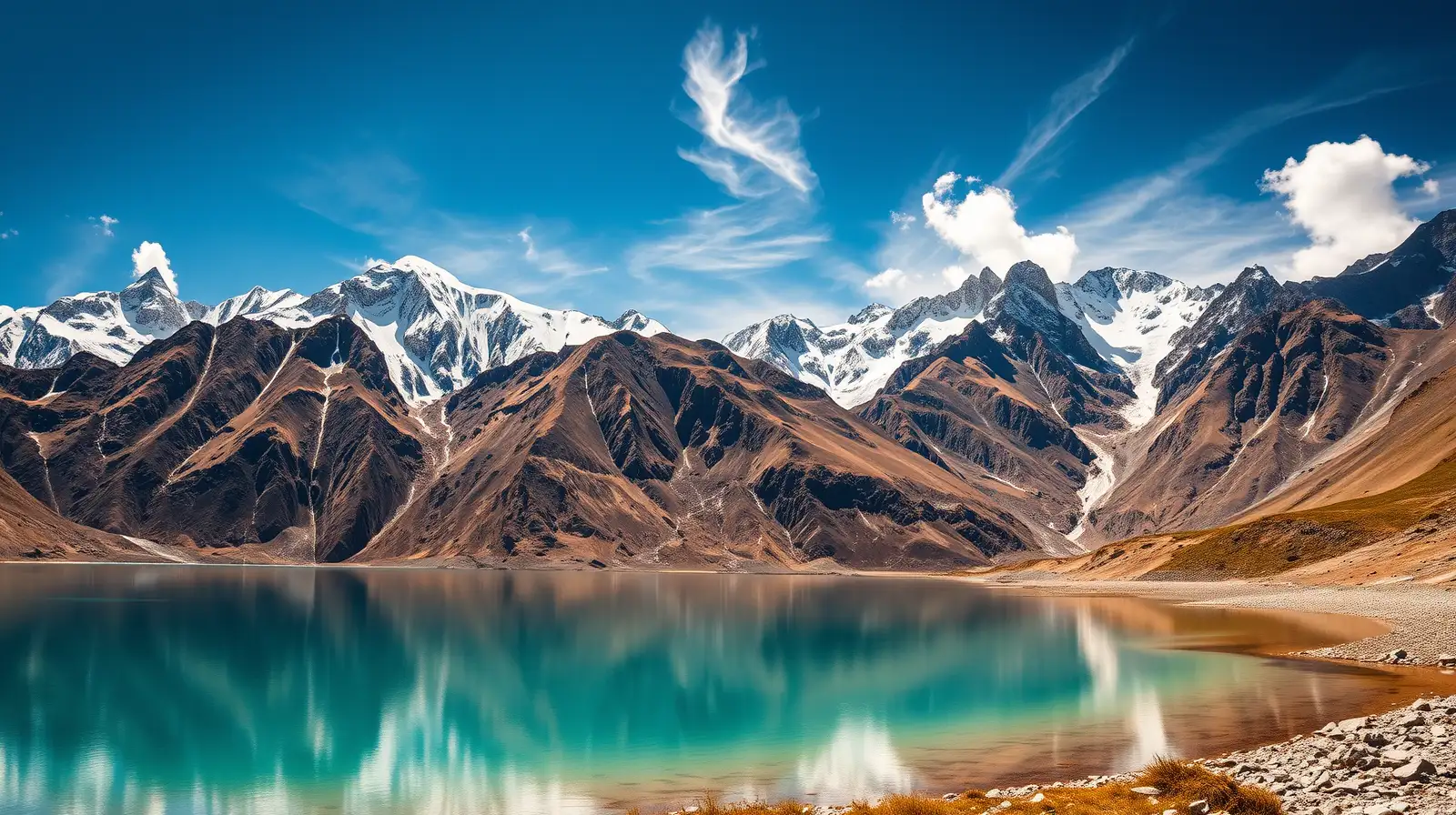
However, conditions vary considerably. The western coast may still experience substantial rainfall, while parts of the northern plains begin to cool gradually. Travellers should always check local weather forecasts before making arrangements.
The stark mountains, monasteries and high-altitude lakes offer spectacular scenery. Places such as Leh, Nubra Valley and parts of Pangong Lake can be included in an itinerary, although sudden weather changes remain a consideration.
Travellers should allow time to acclimatise to the altitude, particularly when arriving by air.
The landscape is closely connected to the Apatani community's farming traditions. Visitors can explore the countryside, interact respectfully with local residents and learn about the region's distinctive cultural heritage.
The City Palace, Lake Pichola and the old city's markets provide opportunities to explore Rajasthan's architectural and cultural history. Rain-fed lakes may also add to the appeal of the surrounding landscape, depending on seasonal rainfall.
The hill station is ideal for travellers interested in plantation scenery, forest walks and Kerala's mountain culture. Tea museums and guided plantation experiences can add depth to a visit beyond the usual sightseeing stops.
Villages such as Kaza, Langza and Kibber offer insights into traditional Himalayan life. Travellers should remember that road conditions can change quickly, and high-altitude travel requires careful planning.
The Golden Temple, Jallianwala Bagh and the city's traditional food culture provide a rich introduction to Punjab's heritage. Visitors can also explore the city's markets and learn about the historical significance of its landmarks.
The city's music culture, local markets and proximity to destinations such as Cherrapunji make it an interesting base for exploring Meghalaya. Travellers should check rainfall forecasts before planning outdoor excursions.
The UNESCO World Heritage Site preserves the remains of Vijayanagara, one of South India's most influential historical empires. Exploring the ruins with a knowledgeable guide can help visitors understand the scale of the medieval city.
September may offer a quieter atmosphere than the busy period around the Pushkar Camel Fair, which is generally held later in the year. Visitors can explore the sacred lake, local markets and surrounding desert landscapes.
The hill station's colonial-era history, forest ecosystems and distinctive landscape offer more than just a weekend retreat. Visitors should check trail conditions before heading into less-developed areas.
Why September Offers a Different Travel Experience
September falls between the traditional monsoon and peak tourist seasons in many parts of India. This transition can mean fewer visitors, particularly at destinations that are busy during summer or winter.However, conditions vary considerably. The western coast may still experience substantial rainfall, while parts of the northern plains begin to cool gradually. Travellers should always check local weather forecasts before making arrangements.
1. Ladakh, Jammu and Kashmir
September is often considered a rewarding time to explore Ladakh. The intense summer tourist season begins to wind down, while many roads and high-altitude attractions remain accessible, subject to weather conditions.The stark mountains, monasteries and high-altitude lakes offer spectacular scenery. Places such as Leh, Nubra Valley and parts of Pangong Lake can be included in an itinerary, although sudden weather changes remain a consideration.
Travellers should allow time to acclimatise to the altitude, particularly when arriving by air.
2. Ziro Valley, Arunachal Pradesh
Ziro Valley offers a fascinating combination of green paddy fields, pine forests and traditional Apatani villages. September can be an interesting time to visit, as the valley retains its monsoon freshness while agricultural activities continue.The landscape is closely connected to the Apatani community's farming traditions. Visitors can explore the countryside, interact respectfully with local residents and learn about the region's distinctive cultural heritage.
3. Udaipur, Rajasthan
Udaipur's lakes, palaces and historic streets offer a different experience after the peak summer months. September can bring relief from the harshest heat, although rainfall and humidity remain possible.The City Palace, Lake Pichola and the old city's markets provide opportunities to explore Rajasthan's architectural and cultural history. Rain-fed lakes may also add to the appeal of the surrounding landscape, depending on seasonal rainfall.
4. Munnar, Kerala
Munnar's tea plantations and rolling hills become beautifully green during the monsoon. In September, the landscape can remain lush, although rainfall varies from year to year.The hill station is ideal for travellers interested in plantation scenery, forest walks and Kerala's mountain culture. Tea museums and guided plantation experiences can add depth to a visit beyond the usual sightseeing stops.
5. Spiti Valley, Himachal Pradesh
Spiti Valley's high-altitude desert landscape offers a striking contrast to India's greener monsoon destinations. September can be a suitable period for exploring parts of the valley before winter conditions become more challenging.Villages such as Kaza, Langza and Kibber offer insights into traditional Himalayan life. Travellers should remember that road conditions can change quickly, and high-altitude travel requires careful planning.
6. Amritsar, Punjab
September can be a pleasant time to explore Amritsar's cultural and historical attractions, although temperatures may still be warm.The Golden Temple, Jallianwala Bagh and the city's traditional food culture provide a rich introduction to Punjab's heritage. Visitors can also explore the city's markets and learn about the historical significance of its landmarks.
7. Shillong, Meghalaya
Shillong's surrounding hills, pine forests and waterfalls remain attractive during the monsoon transition. September can still be wet, but the scenery is often exceptionally vibrant.The city's music culture, local markets and proximity to destinations such as Cherrapunji make it an interesting base for exploring Meghalaya. Travellers should check rainfall forecasts before planning outdoor excursions.
8. Hampi, Karnataka
Hampi's ancient ruins, rocky landscapes and historic temples offer an unusual travel experience in September. The weather can still be warm, but the post-monsoon surroundings may provide a more appealing backdrop than the peak summer months.The UNESCO World Heritage Site preserves the remains of Vijayanagara, one of South India's most influential historical empires. Exploring the ruins with a knowledgeable guide can help visitors understand the scale of the medieval city.
9. Pushkar, Rajasthan
Pushkar's temples, ghats and narrow streets make it an interesting destination for travellers seeking a slower cultural experience.September may offer a quieter atmosphere than the busy period around the Pushkar Camel Fair, which is generally held later in the year. Visitors can explore the sacred lake, local markets and surrounding desert landscapes.
10. Kodaikanal, Tamil Nadu
Kodaikanal's wooded hills, lake and walking trails make it a popular escape from the heat of the plains. September can bring misty scenery and a relatively calm atmosphere, although rainfall is still possible.The hill station's colonial-era history, forest ecosystems and distinctive landscape offer more than just a weekend retreat. Visitors should check trail conditions before heading into less-developed areas.
Next Story