
How to Prepare a Healthy Home for Aquarium Fish

A home aquarium can bring a sense of calm to a living space, but keeping fish requires consistent care. The appearance of a tank is only one part of the setup. Water quality, filtration, temperature and suitable stocking levels all influence whether aquatic animals can live comfortably.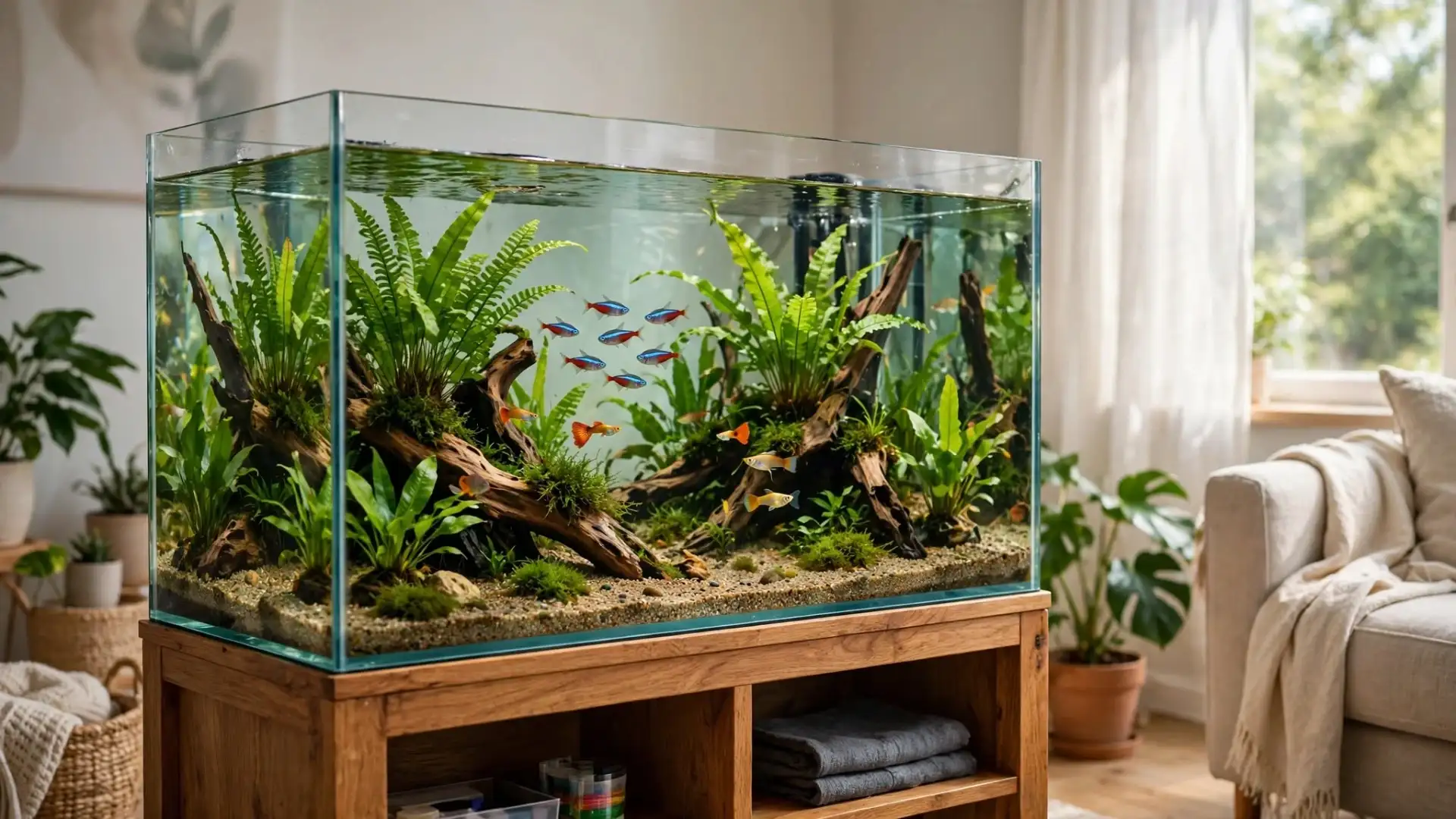
Beginners often focus on choosing fish before preparing the aquarium. A better approach is to establish the environment first, allow it to stabilise and understand the maintenance routine. This helps avoid problems that can arise when fish are introduced too quickly.
Place the tank on a strong, level surface designed to support its filled weight. Keep it away from direct sunlight, heating appliances and areas where temperatures change frequently.
Make sure there is enough room to reach the filter, lighting and other equipment. A tank that is difficult to maintain may eventually receive less attention than it needs.
A heater may be necessary for tropical fish, while other species have different temperature requirements. Use a reliable thermometer rather than judging water temperature by touch.
Aquarium lighting should follow a consistent schedule. Excessive lighting can encourage unwanted algae growth, so avoid leaving the tank illuminated throughout the day and night.
This process is commonly known as cycling. It should be carried out using an appropriate fishless method, with water testing used to monitor ammonia, nitrite and nitrate levels.
Do not rely only on the number of days the tank has been running. Testing results are a more reliable way to determine whether the system is ready. If you are unsure, seek guidance from a knowledgeable aquarium specialist.
Acclimatise new fish carefully according to suitable guidance. Avoid sudden changes in water conditions, which can cause stress.
A healthy aquarium depends on consistency. Taking time to prepare the tank properly is far more effective than trying to correct poor water conditions after fish have been introduced.
Beginners often focus on choosing fish before preparing the aquarium. A better approach is to establish the environment first, allow it to stabilise and understand the maintenance routine. This helps avoid problems that can arise when fish are introduced too quickly.
Choose the right tank and location
Begin with a tank that suits the available space and the needs of the species you intend to keep. Larger volumes of water can sometimes be more stable than very small tanks, although every aquarium still requires regular monitoring.Place the tank on a strong, level surface designed to support its filled weight. Keep it away from direct sunlight, heating appliances and areas where temperatures change frequently.
Make sure there is enough room to reach the filter, lighting and other equipment. A tank that is difficult to maintain may eventually receive less attention than it needs.
Understand essential equipment
A suitable filter helps remove waste and supports the growth of beneficial bacteria. Choose equipment appropriate for the tank's size and the species being kept.A heater may be necessary for tropical fish, while other species have different temperature requirements. Use a reliable thermometer rather than judging water temperature by touch.
Aquarium lighting should follow a consistent schedule. Excessive lighting can encourage unwanted algae growth, so avoid leaving the tank illuminated throughout the day and night.
Why water cycling matters
Before fish are added, the aquarium needs to develop a biological filtration system. Beneficial bacteria help process toxic waste compounds produced by fish and decomposing material.This process is commonly known as cycling. It should be carried out using an appropriate fishless method, with water testing used to monitor ammonia, nitrite and nitrate levels.
Do not rely only on the number of days the tank has been running. Testing results are a more reliable way to determine whether the system is ready. If you are unsure, seek guidance from a knowledgeable aquarium specialist.
Introduce fish gradually
Research the adult size, behaviour, temperature needs and compatibility of each species before purchasing it. Avoid overcrowding and never assume that fish sold together will automatically live peacefully in the same tank.Acclimatise new fish carefully according to suitable guidance. Avoid sudden changes in water conditions, which can cause stress.
Establish a maintenance routine
Remove uneaten food and visible waste, monitor water quality and carry out regular partial water changes. Clean filter media carefully, following the equipment instructions, rather than replacing all biological material at once.A healthy aquarium depends on consistency. Taking time to prepare the tank properly is far more effective than trying to correct poor water conditions after fish have been introduced.
Next Story