
Want to Enjoy Papaya at Its Best? Understand Ripeness, Preparation and Its Place in a Balanced Diet

Papaya is a familiar fruit in many Indian homes, often served after meals or blended into a quick breakfast. Its soft texture and mild sweetness make it easy to eat on its own, while the ripe flesh also works in fruit bowls and smoothies. Like other fruits, papaya contributes useful nutrients, but it should not be treated as a cure for digestive problems or any other condition. The most sensible way to enjoy it is as part of a varied diet that includes different fruits, vegetables, whole grains and sources of protein throughout the week.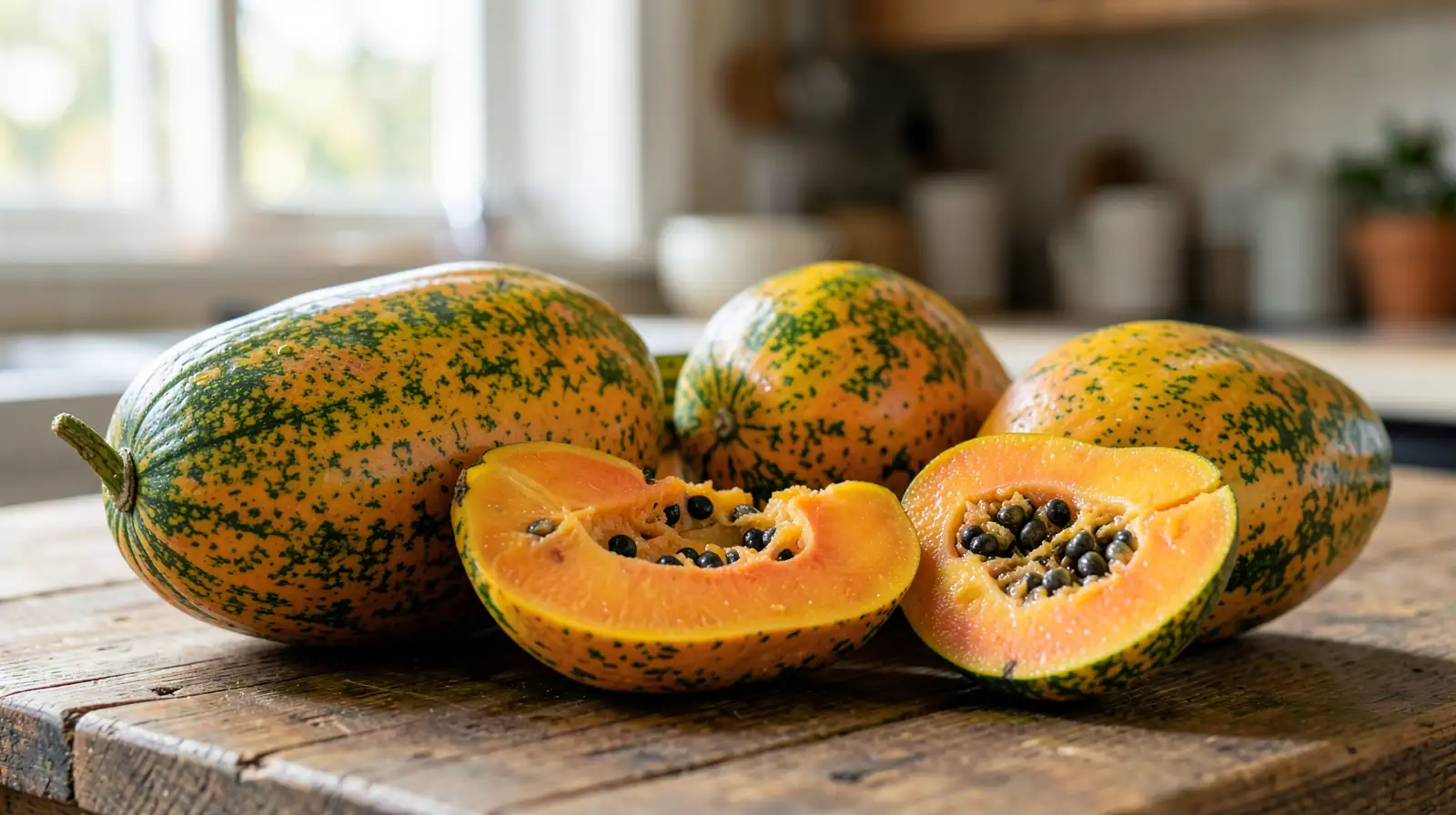
Papaya's fibre can contribute to normal bowel function, although the effects vary between individuals. Eating more fruit does not automatically resolve persistent digestive symptoms. Anyone experiencing ongoing abdominal discomfort or changes in bowel habits should seek appropriate medical advice rather than relying on one particular food.
Cut the fruit with a clean knife on a clean surface. Remove the seeds and scoop out the flesh, then serve it in slices or cubes. Papaya also works in a fruit salad with banana, apple or other seasonal produce. A squeeze of lime can add a sharper flavour if you prefer a less sweet taste.
For breakfast, combine papaya with plain yoghurt or serve it alongside oats. You can also blend it into a smoothie, although eating whole fruit provides a different texture and may be more satisfying for some people.
Papaya is a convenient fruit, but variety remains important. Rotate it with citrus fruits, berries, melons and locally available produce to enjoy a broader mix of nutrients throughout the week.
What nutrients does papaya provide?
Papaya contains vitamin C, which supports normal immune function, collagen formation and wound healing. It also supplies fibre, folate and carotenoids. The precise nutritional content depends on the fruit's size, variety and ripeness, but including different fruits can help broaden the range of nutrients in your diet.Papaya's fibre can contribute to normal bowel function, although the effects vary between individuals. Eating more fruit does not automatically resolve persistent digestive symptoms. Anyone experiencing ongoing abdominal discomfort or changes in bowel habits should seek appropriate medical advice rather than relying on one particular food.
How to choose and serve ripe papaya
A ripe papaya often has yellow or orange skin and gives slightly when pressed gently. The exact appearance varies by variety, so colour alone is not a reliable indicator. Avoid fruit with extensive soft patches, leaking juice or signs of decay.Cut the fruit with a clean knife on a clean surface. Remove the seeds and scoop out the flesh, then serve it in slices or cubes. Papaya also works in a fruit salad with banana, apple or other seasonal produce. A squeeze of lime can add a sharper flavour if you prefer a less sweet taste.
Storage tips for everyday use
Allow an unripe papaya to mature at room temperature. Once ripe, refrigerate it if you are not planning to eat it immediately. Store cut pieces in a clean, covered container in the refrigerator and follow safe food-handling practices.For breakfast, combine papaya with plain yoghurt or serve it alongside oats. You can also blend it into a smoothie, although eating whole fruit provides a different texture and may be more satisfying for some people.
Papaya is a convenient fruit, but variety remains important. Rotate it with citrus fruits, berries, melons and locally available produce to enjoy a broader mix of nutrients throughout the week.
Next Story