
Signs of Dehydration in Babies: Warning Signs to Know


Babies depend entirely on their parents to meet their fluid needs, especially during the early months of life. While feeding, sleeping, and wet nappies are part of a baby's daily routine, small changes in these patterns can sometimes signal that something is wrong.
Dehydration may develop when a baby loses more fluids than usual or does not take in enough. Dr Rajat Grover, Senior Consultant, Paediatrician and Neonatologist at Cloudnine Group of Hospitals, Patparganj, New Delhi, explains that recognising these changes early helps parents respond with confidence and ensure their little one receives timely care.
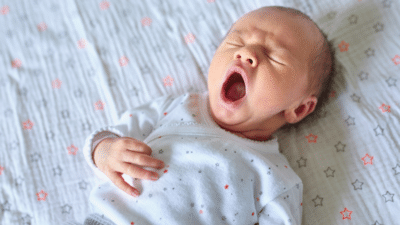

Common Signs of Dehydration in BabiesThe signs may vary from one baby to another. Parents should pay attention to changes in their baby's feeding, urination, and activity patterns.
1. Less Frequent Wet Nappies
One important indicator that parents should be on the lookout for is a decrease in wet nappies. If babies are not getting enough fluids in their diet, they may not be urinating as often. Parents should keep track of their baby's normal patterns for using wet nappies and contact a doctor if they see a significant change in that pattern.
2. Darker Yellow Urine
Urine may appear darker yellow when babies are not drinking enough milk. The baby's urine may also have a strong smell and be in a smaller quantity that can be noticed in the diaper. Although urine colour can signal a potential problem, quantity should also be taken into account.
3. Dry Mouth and Lips
Babies may develop a dry or sticky mouth, tongue and gums when dehydrated. Parents may notice this during feeding or while cleaning the baby's mouth. If this condition persists, especially with fewer wet nappies, consult a paediatrician immediately.
4. No Tears While Crying
Tears may become less noticeable when the baby is dehydrated. However, this may be confusing since newborns may naturally produce few or no visible tears during the first few weeks. Parents should watch for other signs such as fewer wet nappies, dry mouth, and unusual sleepiness.
5. Changes in Feeding
Changes in feeding habits can be an early sign of dehydration in babies. A baby may show less interest in breastfeeding or bottle-feeding, feed for shorter periods, or become too tired to feed properly. Poor feeding can worsen fluid loss, so persistent changes need prompt medical attention.
6. Unusual Sleepiness or Irritability
Some babies are unusually fussy, unsettled, or have difficulty calming down. They are not as active, sleep more than usual, or have little interest in the surroundings. Severe drowsiness, unusual weakness, or unusual difficulties waking the baby require immediate medical attention.
7. Sunken Eyes or Soft Spot
Dehydration may cause a baby's eyes to appear sunken or the soft spot on the head (fontanelle) to look dipped inward. These signs require prompt medical assessment, especially when accompanied by fewer wet nappies, poor feeding, or unusual sleepiness.
8. Cold Hands and Feet
During fluid loss, a baby may have cold hands and feet due to changes in blood circulation. If the skin also appears pale, mottled, or unusually cool, seek urgent medical attention.
When Should Parents Seek Medical Help?Dr Rajat Grover states that parents should seek immediate medical attention if their baby shows any of the following warning signs:
Whether you’re pregnant, a new mom, or navigating postpartum, you don’t have to do it alone. Join our support group to connect, share, and support one another.
FAQs on Signs of Dehydration in Babies: Warning Signs to KnowDoes teething increase the risk of dehydration in babies?
Teething may indirectly increase the risk of dehydration if the baby experiences gum discomfort and feeds less than usual. However, teething does not typically cause significant fluid loss. Parents should monitor feeding and wet nappies and consult a paediatrician if the baby develops fever, diarrhoea, or persistent vomiting. Can breastfeeding alone provide enough fluids during hot weather?
Yes, exclusive breastfeeding usually provides enough fluids for babies under six months, even during hot weather. Offer breastfeeds more frequently when needed. Babies older than six months should continue breastfeeding while receiving appropriate complementary foods and small amounts of water.Can introducing solid foods affect a baby's hydration needs?
Yes, introducing solid foods can affect a baby's hydration needs. From around six months, offer small sips of boiled and cooled drinking water alongside regular breastfeeding or formula feeds. As solid food intake increases, ensure adequate fluid intake, especially during hot weather, to help prevent dehydration.
Dehydration may develop when a baby loses more fluids than usual or does not take in enough. Dr Rajat Grover, Senior Consultant, Paediatrician and Neonatologist at Cloudnine Group of Hospitals, Patparganj, New Delhi, explains that recognising these changes early helps parents respond with confidence and ensure their little one receives timely care.
Common Signs of Dehydration in BabiesThe signs may vary from one baby to another. Parents should pay attention to changes in their baby's feeding, urination, and activity patterns.
1. Less Frequent Wet Nappies
One important indicator that parents should be on the lookout for is a decrease in wet nappies. If babies are not getting enough fluids in their diet, they may not be urinating as often. Parents should keep track of their baby's normal patterns for using wet nappies and contact a doctor if they see a significant change in that pattern.
2. Darker Yellow Urine
Urine may appear darker yellow when babies are not drinking enough milk. The baby's urine may also have a strong smell and be in a smaller quantity that can be noticed in the diaper. Although urine colour can signal a potential problem, quantity should also be taken into account.
3. Dry Mouth and Lips
Babies may develop a dry or sticky mouth, tongue and gums when dehydrated. Parents may notice this during feeding or while cleaning the baby's mouth. If this condition persists, especially with fewer wet nappies, consult a paediatrician immediately.
4. No Tears While Crying
Tears may become less noticeable when the baby is dehydrated. However, this may be confusing since newborns may naturally produce few or no visible tears during the first few weeks. Parents should watch for other signs such as fewer wet nappies, dry mouth, and unusual sleepiness.
5. Changes in Feeding
Changes in feeding habits can be an early sign of dehydration in babies. A baby may show less interest in breastfeeding or bottle-feeding, feed for shorter periods, or become too tired to feed properly. Poor feeding can worsen fluid loss, so persistent changes need prompt medical attention.
6. Unusual Sleepiness or Irritability
Some babies are unusually fussy, unsettled, or have difficulty calming down. They are not as active, sleep more than usual, or have little interest in the surroundings. Severe drowsiness, unusual weakness, or unusual difficulties waking the baby require immediate medical attention.
7. Sunken Eyes or Soft Spot
Dehydration may cause a baby's eyes to appear sunken or the soft spot on the head (fontanelle) to look dipped inward. These signs require prompt medical assessment, especially when accompanied by fewer wet nappies, poor feeding, or unusual sleepiness.
8. Cold Hands and Feet
During fluid loss, a baby may have cold hands and feet due to changes in blood circulation. If the skin also appears pale, mottled, or unusually cool, seek urgent medical attention.
When Should Parents Seek Medical Help?Dr Rajat Grover states that parents should seek immediate medical attention if their baby shows any of the following warning signs:
- Difficulty waking up or reduced responsiveness
- Severe weakness or unusual drowsiness
- Difficulty breathing or unusually rapid breathing
- Cold, pale, or mottled skin
- Weight loss, or no weight gain due to poor feeding
- Persistent vomiting or diarrhoea
- A temperature of 38°C or higher in babies younger than three months
Whether you’re pregnant, a new mom, or navigating postpartum, you don’t have to do it alone. Join our support group to connect, share, and support one another.
FAQs on Signs of Dehydration in Babies: Warning Signs to Know
Teething may indirectly increase the risk of dehydration if the baby experiences gum discomfort and feeds less than usual. However, teething does not typically cause significant fluid loss. Parents should monitor feeding and wet nappies and consult a paediatrician if the baby develops fever, diarrhoea, or persistent vomiting.
Yes, exclusive breastfeeding usually provides enough fluids for babies under six months, even during hot weather. Offer breastfeeds more frequently when needed. Babies older than six months should continue breastfeeding while receiving appropriate complementary foods and small amounts of water.
Yes, introducing solid foods can affect a baby's hydration needs. From around six months, offer small sips of boiled and cooled drinking water alongside regular breastfeeding or formula feeds. As solid food intake increases, ensure adequate fluid intake, especially during hot weather, to help prevent dehydration.
Next Story