
Signs Your Dog May Be Feeling Stressed: Everyday Behaviour Changes Pet Parents Should Never Ignore

Dogs can experience stress just as people do, but they cannot explain what is bothering them. Instead, changes in their behaviour, body language and everyday habits may provide clues. Some dogs become unusually quiet, while others may bark more, pace around or seek constant attention. Stress can be triggered by changes at home, unfamiliar people, loud noises, travel or disruptions to a familiar routine. According to animal behaviour experts, there is no single behaviour that proves a dog is stressed. The most useful approach is to notice changes from your pet’s usual pattern. Recognising these early signs can help owners respond calmly and identify possible triggers.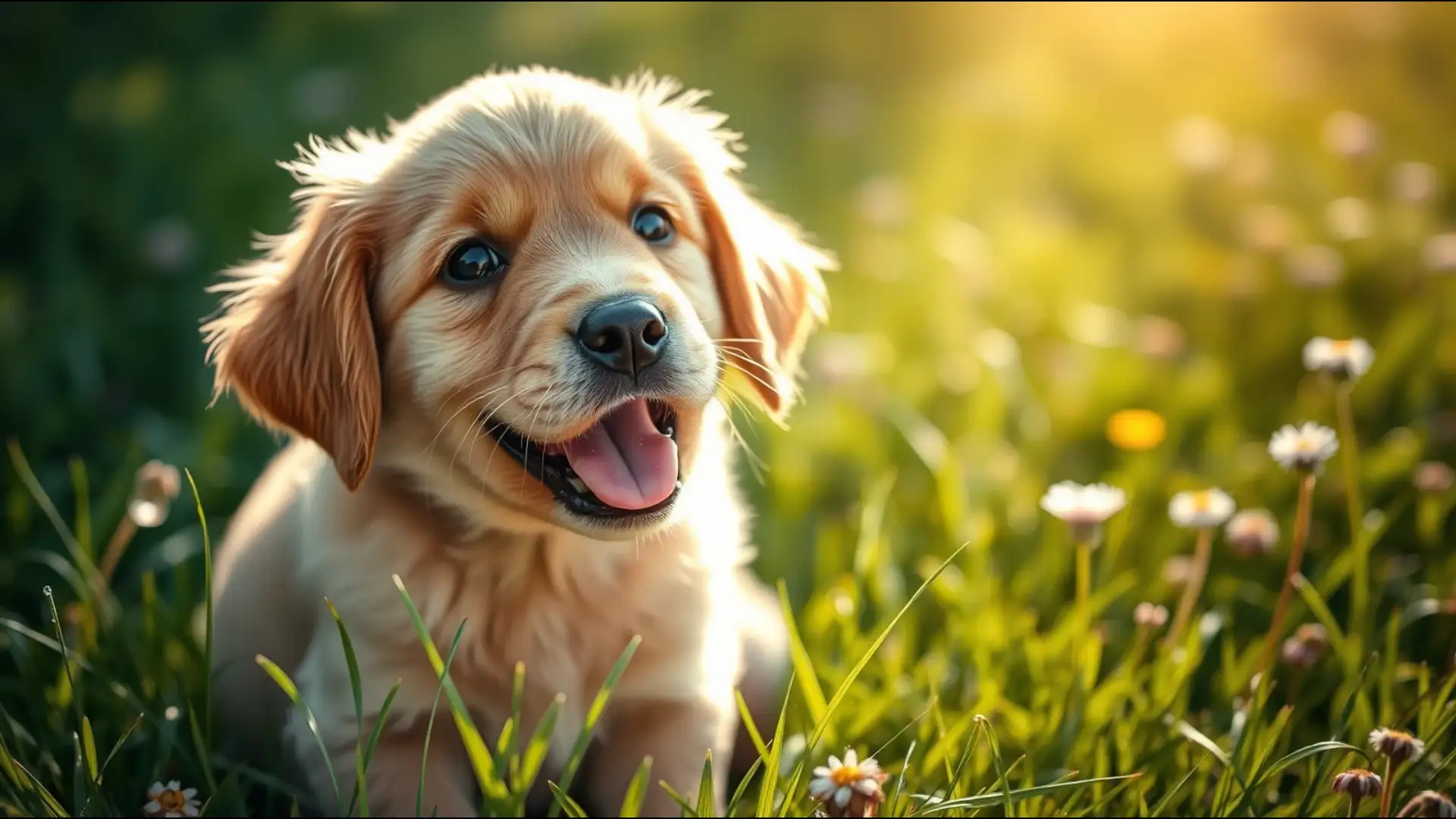
Yawning, turning the head away or avoiding eye contact can also occur in uncomfortable situations. However, these behaviours can have several causes, so they should be considered alongside the wider context.
Some dogs respond differently and try to withdraw. Hiding behind furniture, avoiding family members or refusing to interact may indicate that something is making the dog uncomfortable.
Changes in sleep are worth noticing too. A dog that appears unusually restless, has difficulty settling or sleeps much more than usual may be responding to stress or another issue. According to experts, persistent changes should not automatically be attributed to anxiety because physical problems can produce similar signs.
Panting can also occur during stressful situations, even when the weather is not hot and the dog has not been exercising. Other signs may include trembling, excessive drooling or repeated attempts to seek reassurance.
Try to identify what triggers the behaviour and introduce changes gradually where possible. If the signs are sudden, severe, persistent or accompanied by other physical symptoms, veterinary advice is important. A professional can help determine whether stress, anxiety or an underlying health problem is responsible.
Changes In Body Language
Body language is one of the clearest areas to watch when looking for dog stress signs . A stressed dog may appear tense, lower its body, tuck its tail or repeatedly lick its lips.Yawning, turning the head away or avoiding eye contact can also occur in uncomfortable situations. However, these behaviours can have several causes, so they should be considered alongside the wider context.
Unusual Barking Or Hiding
Changes in normal behaviour can be another sign of pet stress . A normally quiet dog may start barking, whining or growling more frequently, particularly when exposed to a particular trigger.Some dogs respond differently and try to withdraw. Hiding behind furniture, avoiding family members or refusing to interact may indicate that something is making the dog uncomfortable.
You may also like
- Brad Pitt's homes reveal his unusual passion beyond acting: Inside the actor's fascination with architecture, design and historic properties
- Registry Building revival: French cultural festival on the cards for Chandannagar
- “Where were you for a month?”: Bihar flood-hit woman's blunt question to leaders goes viral
- Are your spices losing their flavour? Here's why it happens and how to store them the right way
- Jessica Alba's approach to teaching kids about money: The financial lesson every parent can start early
Changes In Eating And Sleeping
Stress can sometimes affect a dog's usual routine. Some dogs may lose interest in food, while others can become more demanding around meals.Changes in sleep are worth noticing too. A dog that appears unusually restless, has difficulty settling or sleeps much more than usual may be responding to stress or another issue. According to experts, persistent changes should not automatically be attributed to anxiety because physical problems can produce similar signs.
Pacing, Panting And Restlessness
Pacing without an obvious reason can be a noticeable sign of dog anxiety . Some dogs may repeatedly move around the room, struggle to settle or appear unable to relax.Panting can also occur during stressful situations, even when the weather is not hot and the dog has not been exercising. Other signs may include trembling, excessive drooling or repeated attempts to seek reassurance.
Help Your Dog Feel Secure
When a dog appears stressed, keeping the environment calm and maintaining familiar routines may help. Give your pet space when it wants to withdraw and avoid forcing interaction.Try to identify what triggers the behaviour and introduce changes gradually where possible. If the signs are sudden, severe, persistent or accompanied by other physical symptoms, veterinary advice is important. A professional can help determine whether stress, anxiety or an underlying health problem is responsible.






Loving Newspoint? Download the app now
