
Marriage Feels Like a Mistake? Signs Your Relationship May Still Be Saved

Marriage is often imagined as the beginning of a happier chapter. But real life can be very different. There may be periods when conversations turn into arguments, affection fades, expectations clash and the person you once felt closest to suddenly seems distant.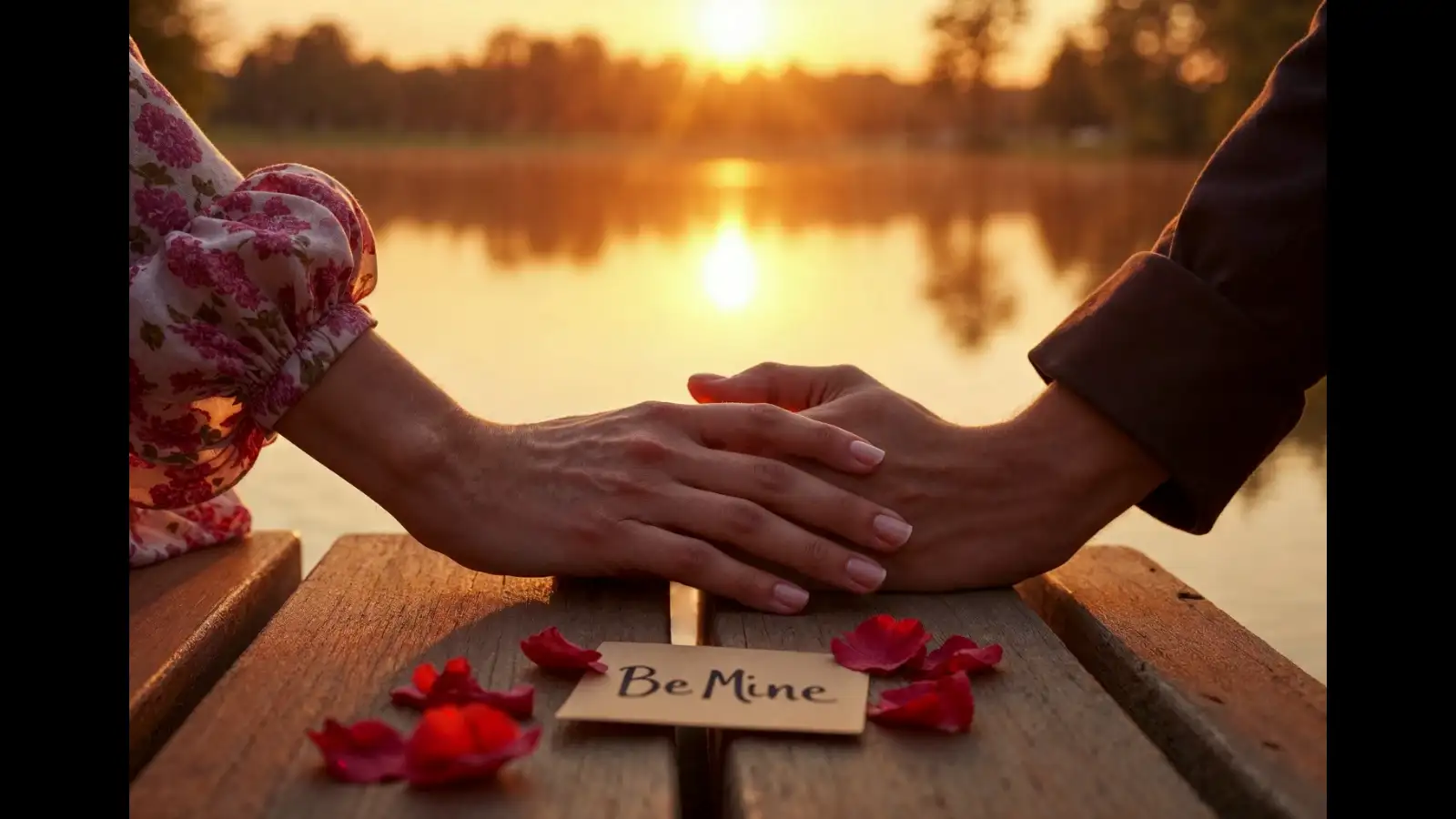
That can lead to a painful question: 'Did I make a mistake by getting married?'
But feeling unhappy in a marriage does not automatically mean the marriage is over. Sometimes, it signals that something important has been neglected for too long.
Emotional distance can also develop quietly. Conversations become limited to household matters, quality time disappears and couples begin functioning more like teammates than partners.
The important question is not simply whether the marriage is difficult. It is what is causing the difficulty and whether both people are willing to address it.
Is the problem constant criticism? Lack of attention? Financial disagreements? Family interference? Broken trust? Different expectations about children, careers or responsibilities?
Sometimes the argument is only the visible part of a deeper emotional need. 'You never help me' may really mean 'I feel alone.' 'You don't listen' may mean 'I don't feel understood.'
Communication problems, resentment, trust issues and mismatched expectations are among the common challenges that can push couples apart.
You may still care deeply about your partner while feeling exhausted by the relationship. You may remember the person you married and wonder where that closeness went.
That doesn't necessarily mean love has disappeared. Sometimes the relationship has simply stopped receiving the attention it needs.
Even small patterns can create distance: avoiding difficult conversations, keeping score of who does more, constantly using phones instead of talking, or expecting a partner to understand feelings without expressing them.
That can begin with replacing blame with specific conversations. Instead of saying, 'You never care about me,' explain what you need and why it matters. Relationship experts often recommend focusing on expressing needs rather than attacking a partner's character.
The goal is not to decide who is right. It is to understand whether the two of you can create a healthier way of being together.
Couples counselling can provide a structured space to improve communication, rebuild trust and understand recurring patterns. It can be particularly useful when both partners want to work on the relationship but cannot break the cycle by themselves.
Seeking help is not necessarily an admission that a marriage has failed. It can simply mean that the relationship matters enough to seek better tools for handling its problems.
If a relationship involves abuse, coercive control, repeated serious betrayal or persistent behaviour that puts one partner's safety or wellbeing at risk, 'staying together at any cost' should not be the goal. Professional and appropriate support may be necessary to decide what comes next.
A marriage can feel broken during its hardest season without being beyond repair. What matters is whether there is still honesty, respect, emotional safety and a genuine willingness from both partners to change unhealthy patterns.
Sometimes the relationship doesn't need to return to what it was. It needs to become something healthier than what it has been.
And perhaps that is the more useful question than 'Was marriage a mistake?'
Ask instead: 'Is there still something here that both of us are willing to rebuild?'
If the answer is yes, a painful chapter may not be the final chapter at all.
Disclaimer: This article is intended for general informational and awareness purposes only. Every marriage and relationship is different, and the experiences described here may not apply to everyone. Readers facing serious relationship difficulties, abuse, or safety concerns should seek guidance from a qualified mental health professional, counsellor, or appropriate support service. The article should not be considered a substitute for professional advice.
That can lead to a painful question: 'Did I make a mistake by getting married?'
But feeling unhappy in a marriage does not automatically mean the marriage is over. Sometimes, it signals that something important has been neglected for too long.
A difficult phase is not always the end
Every long-term relationship goes through changing seasons. Work pressure, financial worries, parenting, family responsibilities, health concerns and major life changes can affect the way partners connect.Emotional distance can also develop quietly. Conversations become limited to household matters, quality time disappears and couples begin functioning more like teammates than partners.
The important question is not simply whether the marriage is difficult. It is what is causing the difficulty and whether both people are willing to address it.
Ask what has actually changed
Before deciding that the relationship was a mistake, it can help to look beneath the frustration.Is the problem constant criticism? Lack of attention? Financial disagreements? Family interference? Broken trust? Different expectations about children, careers or responsibilities?
Sometimes the argument is only the visible part of a deeper emotional need. 'You never help me' may really mean 'I feel alone.' 'You don't listen' may mean 'I don't feel understood.'
Communication problems, resentment, trust issues and mismatched expectations are among the common challenges that can push couples apart.
Love may still be there, but connection needs work
One of the most confusing parts of a troubled marriage is that love and unhappiness can exist at the same time.You may still care deeply about your partner while feeling exhausted by the relationship. You may remember the person you married and wonder where that closeness went.
That doesn't necessarily mean love has disappeared. Sometimes the relationship has simply stopped receiving the attention it needs.
Even small patterns can create distance: avoiding difficult conversations, keeping score of who does more, constantly using phones instead of talking, or expecting a partner to understand feelings without expressing them.
Look for willingness, not perfection
A marriage doesn't need two perfect people to recover. It needs two people who are prepared to be honest about what isn't working.That can begin with replacing blame with specific conversations. Instead of saying, 'You never care about me,' explain what you need and why it matters. Relationship experts often recommend focusing on expressing needs rather than attacking a partner's character.
The goal is not to decide who is right. It is to understand whether the two of you can create a healthier way of being together.
When professional help can make a difference
Sometimes couples keep having the same conversation without actually resolving anything. At that point, trying harder on your own may not be enough.Couples counselling can provide a structured space to improve communication, rebuild trust and understand recurring patterns. It can be particularly useful when both partners want to work on the relationship but cannot break the cycle by themselves.
You may also like
- Who is Anima Anandkumar? Meet the Indian AI scientist who's made it to TIME's AI 100 list
- Indian woman takes her British in-laws on a vacation; afterwards, they send her an email: 'This is how in-laws should be: no taana, no drama, no fight'
- Are you eating these foods with tea? 5 food combinations that may not be good for your health
- “Please Sir, My wife is in the hospital:” Delivery guy pleads with police as his bike gets seized; viral Hyderabad video leaves people emotional
- Nepal tragedy: Goddess at Palanchok Bhagawati Temple was reportedly 'sweating' days before the disaster, reviving an ancient belief about calamities
Seeking help is not necessarily an admission that a marriage has failed. It can simply mean that the relationship matters enough to seek better tools for handling its problems.
But not every marriage has to be saved
There is also an important distinction between a difficult marriage and an unsafe or deeply damaging one.If a relationship involves abuse, coercive control, repeated serious betrayal or persistent behaviour that puts one partner's safety or wellbeing at risk, 'staying together at any cost' should not be the goal. Professional and appropriate support may be necessary to decide what comes next.
So, is it really over?
Not necessarily.A marriage can feel broken during its hardest season without being beyond repair. What matters is whether there is still honesty, respect, emotional safety and a genuine willingness from both partners to change unhealthy patterns.
Sometimes the relationship doesn't need to return to what it was. It needs to become something healthier than what it has been.
And perhaps that is the more useful question than 'Was marriage a mistake?'
Ask instead: 'Is there still something here that both of us are willing to rebuild?'
If the answer is yes, a painful chapter may not be the final chapter at all.
Disclaimer: This article is intended for general informational and awareness purposes only. Every marriage and relationship is different, and the experiences described here may not apply to everyone. Readers facing serious relationship difficulties, abuse, or safety concerns should seek guidance from a qualified mental health professional, counsellor, or appropriate support service. The article should not be considered a substitute for professional advice.






Loving Newspoint? Download the app now
