
Silicone Sheets vs Pressure Therapy: What Actually Helps a Healing Scar


Scar management sits in an awkward middle ground: past the acute wound phase, but before the scar has fully matured. The two treatments most commonly recommended in this window, silicone sheeting and pressure therapy, are often spoken about as if they are interchangeable. They are not. Each targets scar tissue through a distinct mechanism, suits a different profile of scar, and carries its own set of practical limitations.
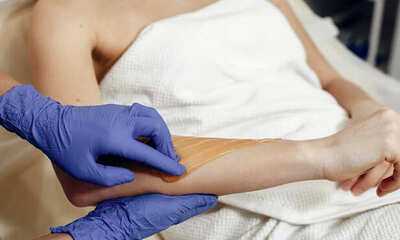
How Silicone Sheets Work on Scar TissueSilicone sheeting does not deliver a drug or apply force. It works by creating a semi-occlusive microenvironment directly over the scar surface. That sealed layer reduces transepidermal water loss from the healing tissue. The resulting hydration shifts the local environment in a way that appears to reduce fibroblast activity, the cells responsible for producing the excess collagen that makes a scar raised and firm. A secondary effect is a modest reduction in scar temperature, which may also slow collagen overproduction.
The evidence base for silicone sheeting is among the strongest in non-invasive scar management. It is recommended by multiple scar-management guidelines for both hypertrophic scars and keloids as a first-line conservative option. Sheets are worn for a minimum of twelve hours a day, typically for two to six months depending on how the scar responds. Results are gradual, flattening and softening rather than erasure, and the treatment works best on scars that are still in the active remodelling phase, generally within the first two years of formation.
Silicone sheeting is unsuitable for open or incompletely healed wounds, for scars in areas of high moisture such as skin folds where adhesion is poor, and for anyone with a contact sensitivity to silicone. It is also impractical over very large surface areas.
How Pressure Therapy Works on Scar TissuePressure garments and pressure inserts apply continuous mechanical force, typically in the range of 15 to 40 mmHg, to the scar surface. This sustained compression is thought to reduce blood flow to the scar, limit the oxygen and nutrients available to overactive fibroblasts, and encourage the realignment of collagen fibres into a flatter, more organised pattern. The mechanical signal itself may also directly suppress fibroblast proliferation.
Pressure therapy is most established in burn scar management, where it has been used for decades. It is particularly suited to large surface-area scars where silicone sheeting is impractical, and to body regions, the chest, shoulders, upper arms, thighs, where a garment can maintain consistent contact. For it to be effective, the pressure must be sustained: garments are typically worn for twenty-three hours a day for six months to two years, removed only for hygiene. Compliance is the primary failure point. A garment worn inconsistently delivers inconsistent pressure and inconsistent results.
Pressure therapy is not appropriate for scars over bony prominences where sustained compression can cause skin breakdown, for people with certain circulatory conditions, or for very small, localised scars where a custom garment is disproportionate to the problem.
Where the Two Methods Overlap, and Where They Don'tBoth treatments target hypertrophic scars and keloids. Both require months of consistent use. Both are conservative, meaning they carry low procedural risk compared to laser resurfacing or surgical revision. Beyond that, their profiles diverge sharply.
Silicone sheeting is practical for facial scars, small post-surgical scars, and scars in areas where a pressure garment cannot be fitted. Pressure therapy is better suited to post-burn scars covering larger body regions, and to areas where the mechanical compression can be evenly distributed. For scars that are both large and actively raised, a common presentation after significant burns or surgery, combining both is a recognised clinical approach: the garment provides sustained pressure while a silicone insert placed beneath it adds the occlusive microenvironment. The two mechanisms are not redundant; they act on different aspects of the same problem.
Timing, Expectations, and When to See a SpecialistNeither treatment reverses a mature, fully remodelled scar. Both work within the active remodelling window, which closes progressively over the first one to two years. Starting earlier, once the wound surface is fully closed, generally produces better outcomes than starting late.
Realistic expectations matter here. Silicone sheeting and pressure therapy flatten and soften; they do not restore the original skin. Some scars, particularly keloids with a strong genetic component, respond poorly to both and may require additional intervention such as intralesional corticosteroid injections or laser treatment, decisions that belong with a dermatologist or plastic surgeon who can assess the scar type, location, and trajectory in person.
The choice between these two options, or the decision to combine them, is not one a product label can make. Scar type, body location, scar age, and practical wearability all feed into it. A clinician who can examine the scar directly is the right person to make that call, not because the treatments are dangerous, but because applying the wrong one for long enough simply delays getting to the right one.
Discover expert advice and the latest updates inSkin Care,Hair Care,Wellness,Dermatology, and more atStay Youngguide to lasting beauty and holistic health!
How Silicone Sheets Work on Scar TissueSilicone sheeting does not deliver a drug or apply force. It works by creating a semi-occlusive microenvironment directly over the scar surface. That sealed layer reduces transepidermal water loss from the healing tissue. The resulting hydration shifts the local environment in a way that appears to reduce fibroblast activity, the cells responsible for producing the excess collagen that makes a scar raised and firm. A secondary effect is a modest reduction in scar temperature, which may also slow collagen overproduction.
The evidence base for silicone sheeting is among the strongest in non-invasive scar management. It is recommended by multiple scar-management guidelines for both hypertrophic scars and keloids as a first-line conservative option. Sheets are worn for a minimum of twelve hours a day, typically for two to six months depending on how the scar responds. Results are gradual, flattening and softening rather than erasure, and the treatment works best on scars that are still in the active remodelling phase, generally within the first two years of formation.
Silicone sheeting is unsuitable for open or incompletely healed wounds, for scars in areas of high moisture such as skin folds where adhesion is poor, and for anyone with a contact sensitivity to silicone. It is also impractical over very large surface areas.
How Pressure Therapy Works on Scar TissuePressure garments and pressure inserts apply continuous mechanical force, typically in the range of 15 to 40 mmHg, to the scar surface. This sustained compression is thought to reduce blood flow to the scar, limit the oxygen and nutrients available to overactive fibroblasts, and encourage the realignment of collagen fibres into a flatter, more organised pattern. The mechanical signal itself may also directly suppress fibroblast proliferation.
Pressure therapy is most established in burn scar management, where it has been used for decades. It is particularly suited to large surface-area scars where silicone sheeting is impractical, and to body regions, the chest, shoulders, upper arms, thighs, where a garment can maintain consistent contact. For it to be effective, the pressure must be sustained: garments are typically worn for twenty-three hours a day for six months to two years, removed only for hygiene. Compliance is the primary failure point. A garment worn inconsistently delivers inconsistent pressure and inconsistent results.
Pressure therapy is not appropriate for scars over bony prominences where sustained compression can cause skin breakdown, for people with certain circulatory conditions, or for very small, localised scars where a custom garment is disproportionate to the problem.
Where the Two Methods Overlap, and Where They Don'tBoth treatments target hypertrophic scars and keloids. Both require months of consistent use. Both are conservative, meaning they carry low procedural risk compared to laser resurfacing or surgical revision. Beyond that, their profiles diverge sharply.
Silicone sheeting is practical for facial scars, small post-surgical scars, and scars in areas where a pressure garment cannot be fitted. Pressure therapy is better suited to post-burn scars covering larger body regions, and to areas where the mechanical compression can be evenly distributed. For scars that are both large and actively raised, a common presentation after significant burns or surgery, combining both is a recognised clinical approach: the garment provides sustained pressure while a silicone insert placed beneath it adds the occlusive microenvironment. The two mechanisms are not redundant; they act on different aspects of the same problem.
Timing, Expectations, and When to See a SpecialistNeither treatment reverses a mature, fully remodelled scar. Both work within the active remodelling window, which closes progressively over the first one to two years. Starting earlier, once the wound surface is fully closed, generally produces better outcomes than starting late.
Realistic expectations matter here. Silicone sheeting and pressure therapy flatten and soften; they do not restore the original skin. Some scars, particularly keloids with a strong genetic component, respond poorly to both and may require additional intervention such as intralesional corticosteroid injections or laser treatment, decisions that belong with a dermatologist or plastic surgeon who can assess the scar type, location, and trajectory in person.
The choice between these two options, or the decision to combine them, is not one a product label can make. Scar type, body location, scar age, and practical wearability all feed into it. A clinician who can examine the scar directly is the right person to make that call, not because the treatments are dangerous, but because applying the wrong one for long enough simply delays getting to the right one.
Discover expert advice and the latest updates inSkin Care,Hair Care,Wellness,Dermatology, and more atStay Youngguide to lasting beauty and holistic health!
Next Story