
Simple Steps To Test Jaggery Purity At Home: 4 Easy Tips

Jaggery , a time-honored component of traditional remedies, is cherished not just for its delightful sweetness but also for its numerous health benefits. Amidst the surging demand for this natural sweetener, the market is saturated with adulterated versions that compromise its nutritional value. The incorporation of chemicals during processing leads to a loss of vital nutrients, underscoring the importance of discerning the purity of the jaggery we consume.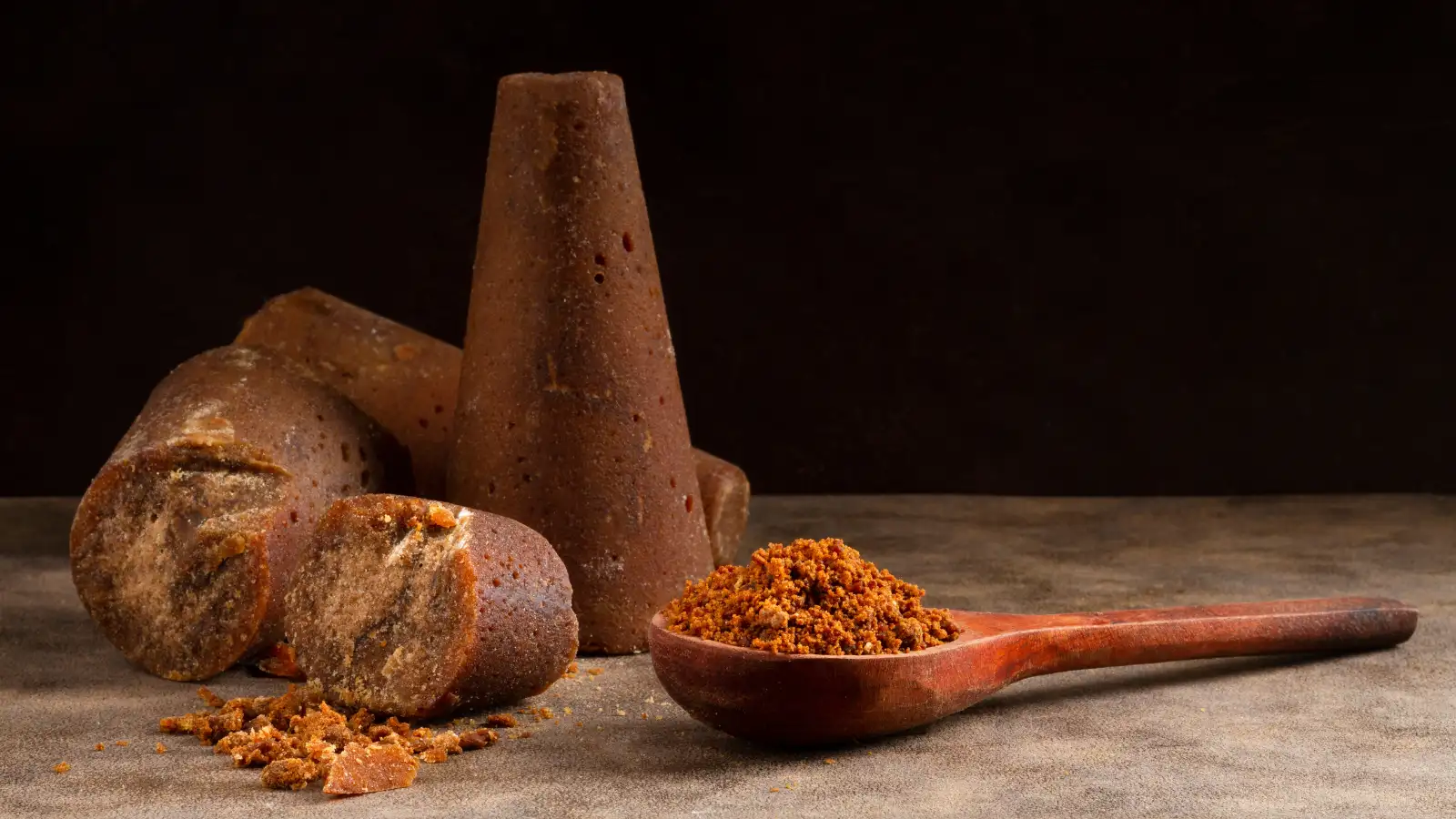
Unmasking Adulteration: Simple Home Tests for Genuine Jaggery
1. The Visual Clues: Decoding Color and Appearance
The color of jaggery serves as a telltale sign of its quality. Beware of yellowish or white hues, as these may indicate chemical polishing. Sodium hydrosulphite, a common additive, imparts a vibrant yellow tint to jaggery but diminishes its nutritional content. Authentic jaggery, in contrast, boasts a natural, earthy appearance with a rich, dark brown color.
2. Crystals Speak Volumes: A Close-Up Inspection
Examine the surface of your jaggery for sugar-like crystals, as they suggest adulteration with refined sugar. Naturally, jaggery contains lower sucrose levels, resulting in a less sweet taste. To enhance sweetness, some unscrupulous practices involve blending jaggery with refined sugar crystals, compromising its purity.
3. The Palate Knows: Conducting a Taste Test
The taste of jaggery can be a reliable indicator of its purity. Genuine jaggery offers a nuanced flavor profile, ranging from earthy and sweet to coffee-like or resembling dark chocolate, depending on the type. If the taste leans towards an unusual saltiness, it is a clear sign of adulteration.
4. Water: The Purity Litmus Test
Chalk powder is sometimes added to jaggery to create an illusion of greater quantity. The water test provides a straightforward method to detect this adulteration. Dissolve a piece of jaggery in water; if the mixture turns milky or shows settling impurities, it suggests the presence of chalk powder. Pure jaggery, on the other hand, should dissolve to reveal a brown, shiny, and clear appearance in water, devoid of cloudiness or impurities.
Empower yourself with these simple home tests to safeguard the purity of the jaggery you consume, ensuring you enjoy not just its sweetness but also its unadulterated health benefits.
Unmasking Adulteration: Simple Home Tests for Genuine Jaggery
1. The Visual Clues: Decoding Color and Appearance
The color of jaggery serves as a telltale sign of its quality. Beware of yellowish or white hues, as these may indicate chemical polishing. Sodium hydrosulphite, a common additive, imparts a vibrant yellow tint to jaggery but diminishes its nutritional content. Authentic jaggery, in contrast, boasts a natural, earthy appearance with a rich, dark brown color.
2. Crystals Speak Volumes: A Close-Up Inspection
You may also like
- Do fruits lose their nutrients when kept in the refrigerator? For how many days is it right to store them?
- What Happens to Your Body When You Quit Sugar for 30 Days, Key Health Changes and Benefits
- Breathing Hazard: Reducing PM 2.5 Exposure Can Lower Global Lung Cancer Risks, New Study Reveals
- Working Out Daily Without Results, Avoid These 5 Common Post-Workout Mistakes Holding You Back
- Climate Change Threat: Rising Ocean Temperatures Could Cut Omega-3 Levels in Fish by Up to 50%
Examine the surface of your jaggery for sugar-like crystals, as they suggest adulteration with refined sugar. Naturally, jaggery contains lower sucrose levels, resulting in a less sweet taste. To enhance sweetness, some unscrupulous practices involve blending jaggery with refined sugar crystals, compromising its purity.
3. The Palate Knows: Conducting a Taste Test
The taste of jaggery can be a reliable indicator of its purity. Genuine jaggery offers a nuanced flavor profile, ranging from earthy and sweet to coffee-like or resembling dark chocolate, depending on the type. If the taste leans towards an unusual saltiness, it is a clear sign of adulteration.
4. Water: The Purity Litmus Test
Chalk powder is sometimes added to jaggery to create an illusion of greater quantity. The water test provides a straightforward method to detect this adulteration. Dissolve a piece of jaggery in water; if the mixture turns milky or shows settling impurities, it suggests the presence of chalk powder. Pure jaggery, on the other hand, should dissolve to reveal a brown, shiny, and clear appearance in water, devoid of cloudiness or impurities.
Empower yourself with these simple home tests to safeguard the purity of the jaggery you consume, ensuring you enjoy not just its sweetness but also its unadulterated health benefits.






Loving Newspoint? Download the app now
