
Why Eating Chickpeas Can Support a Balanced Vegetarian Diet

Chickpeas, commonly known as chana, are a familiar ingredient in Indian kitchens. From chana masala and sundal to salads and roasted snacks, these pulses can be prepared in several ways without requiring expensive ingredients.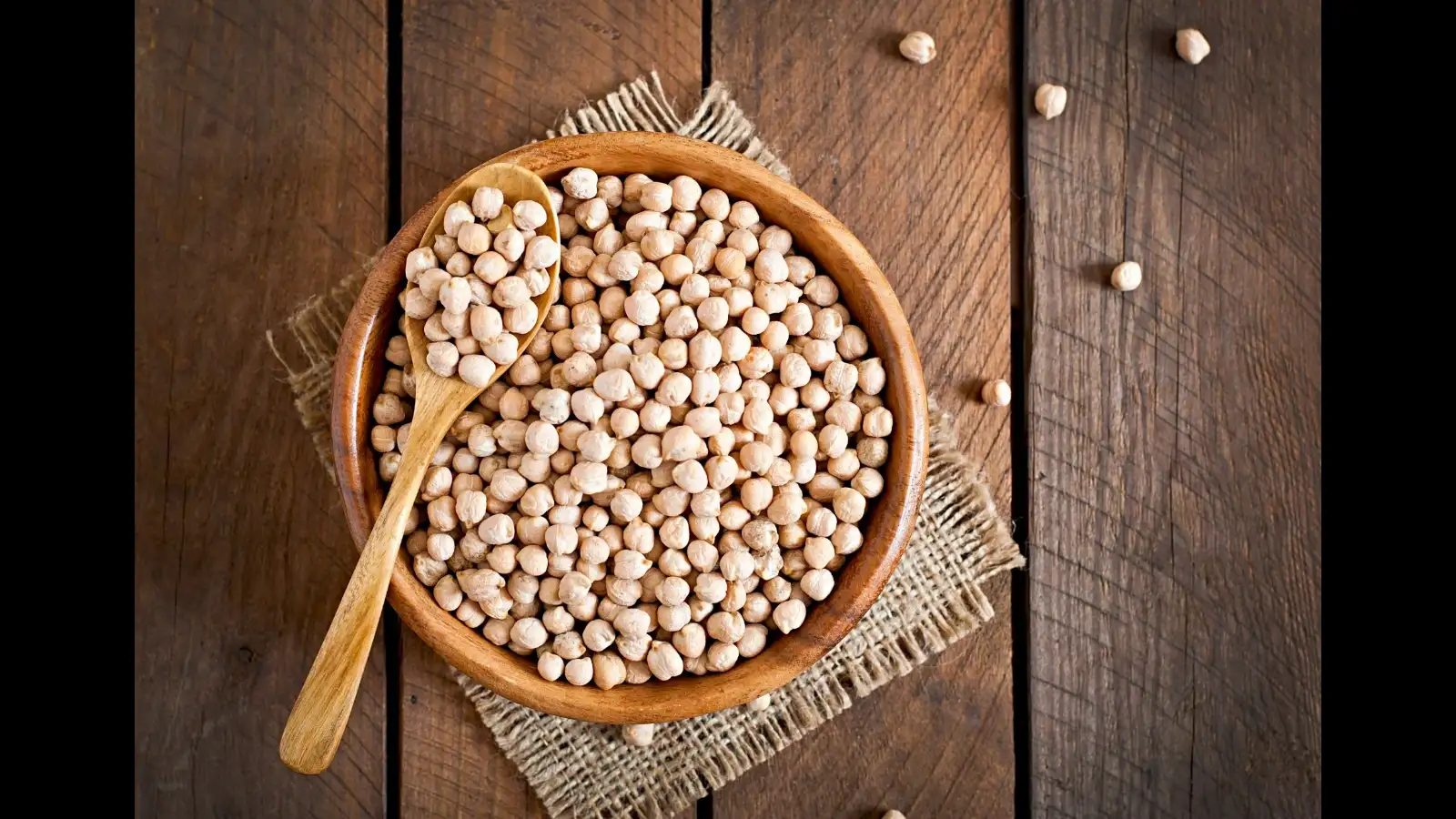
Their appeal goes beyond convenience. Chickpeas provide plant protein, dietary fibre, complex carbohydrates and nutrients such as folate and iron. They can help make everyday meals more satisfying, particularly for people who follow vegetarian diets.
However, their benefits depend on the overall eating pattern, portion size and preparation method rather than on eating one ingredient alone.
For a balanced lunch, try combining chickpeas with wholemeal roti, brown rice or another grain, alongside vegetables. This creates a more varied meal than eating chickpeas on their own.
People who have higher protein requirements because of age, activity levels or a medical condition may need individual dietary guidance. Chickpeas can contribute towards their needs, but the appropriate quantity depends on the person's overall diet.
Increasing fibre intake suddenly may cause bloating or gas, especially for people who are not accustomed to eating pulses regularly. Start with smaller portions and increase them gradually according to tolerance.
Soaking dried chickpeas and cooking them thoroughly can make them easier for many people to digest. Rinsing canned chickpeas before use can also help remove some of the packing liquid and excess sodium, depending on the product.
Plant-based iron is not absorbed as readily as iron from some animal foods. Eating chickpeas with vitamin C-rich foods, such as tomatoes, lemons or amla, can help improve the absorption of non-haem iron.
Chickpeas are not a treatment for iron deficiency or anaemia. Anyone diagnosed with a deficiency should follow advice from a qualified healthcare professional.
For a crunchy snack, toss cooked chickpeas with a small amount of oil and spices before roasting them until crisp. Allow them to cool before storing.
Chickpea flour, known as besan, is another useful ingredient for making cheela, kadhi and other vegetarian dishes. However, chickpea flour and whole chickpeas differ in texture and preparation, so they are not always interchangeable in recipes.
People with chickpea or other legume allergies should avoid foods that trigger their reactions. Those managing particular digestive or medical conditions may need to adjust their portions.
Chickpeas are an affordable, adaptable ingredient that can contribute to a balanced vegetarian diet. Combined with vegetables, whole grains and other protein sources, they make everyday meals more varied and nourishing.
Their appeal goes beyond convenience. Chickpeas provide plant protein, dietary fibre, complex carbohydrates and nutrients such as folate and iron. They can help make everyday meals more satisfying, particularly for people who follow vegetarian diets.
However, their benefits depend on the overall eating pattern, portion size and preparation method rather than on eating one ingredient alone.
1. A Useful Source of Plant Protein
Protein supports the growth and repair of body tissues and helps maintain normal bodily functions. Chickpeas contribute plant protein and can complement other vegetarian foods such as lentils, beans, dairy products, nuts and seeds.For a balanced lunch, try combining chickpeas with wholemeal roti, brown rice or another grain, alongside vegetables. This creates a more varied meal than eating chickpeas on their own.
People who have higher protein requirements because of age, activity levels or a medical condition may need individual dietary guidance. Chickpeas can contribute towards their needs, but the appropriate quantity depends on the person's overall diet.
2. Dietary Fibre for Digestive Health
Chickpeas contain both soluble and insoluble fibre. Fibre supports bowel function and can help maintain regularity when consumed as part of a varied diet with adequate fluids.Increasing fibre intake suddenly may cause bloating or gas, especially for people who are not accustomed to eating pulses regularly. Start with smaller portions and increase them gradually according to tolerance.
Soaking dried chickpeas and cooking them thoroughly can make them easier for many people to digest. Rinsing canned chickpeas before use can also help remove some of the packing liquid and excess sodium, depending on the product.
3. Nutrients Beyond Protein
Chickpeas provide folate, iron, phosphorus and other nutrients needed for normal body functions. Folate is important for cell division, while iron helps the body produce haemoglobin.Plant-based iron is not absorbed as readily as iron from some animal foods. Eating chickpeas with vitamin C-rich foods, such as tomatoes, lemons or amla, can help improve the absorption of non-haem iron.
Chickpeas are not a treatment for iron deficiency or anaemia. Anyone diagnosed with a deficiency should follow advice from a qualified healthcare professional.
4. Ways to Include Chickpeas in Indian Meals
Boiled chickpeas can be added to cucumber and tomato salads with lemon juice and coriander. They also work well in vegetable pulao, mixed-bean dishes and homemade hummus.For a crunchy snack, toss cooked chickpeas with a small amount of oil and spices before roasting them until crisp. Allow them to cool before storing.
Chickpea flour, known as besan, is another useful ingredient for making cheela, kadhi and other vegetarian dishes. However, chickpea flour and whole chickpeas differ in texture and preparation, so they are not always interchangeable in recipes.
5. Storage and Precautions
Store dried chickpeas in an airtight container in a cool, dry place. Refrigerate cooked chickpeas promptly in a covered container and use them within a few days, or freeze portions for later meals.People with chickpea or other legume allergies should avoid foods that trigger their reactions. Those managing particular digestive or medical conditions may need to adjust their portions.
Chickpeas are an affordable, adaptable ingredient that can contribute to a balanced vegetarian diet. Combined with vegetables, whole grains and other protein sources, they make everyday meals more varied and nourishing.
Next Story