
Discover India's Hidden Museum Gems That Preserve Regional History, Art and Culture

India's history is often associated with grand forts, famous monuments and sprawling national museums. Yet, some of the country's most fascinating stories are preserved in smaller museums tucked away in historic towns, cultural centres and lesser-known neighbourhoods. These places offer a closer look at regional traditions, local heroes, traditional crafts and everyday life from earlier generations. Many focus on subjects that larger institutions cannot explore in the same detail, making them valuable stops for curious travellers. If you enjoy discovering the stories behind a destination, these small Indian museums can offer a meaningful way to understand its history beyond the usual tourist attractions.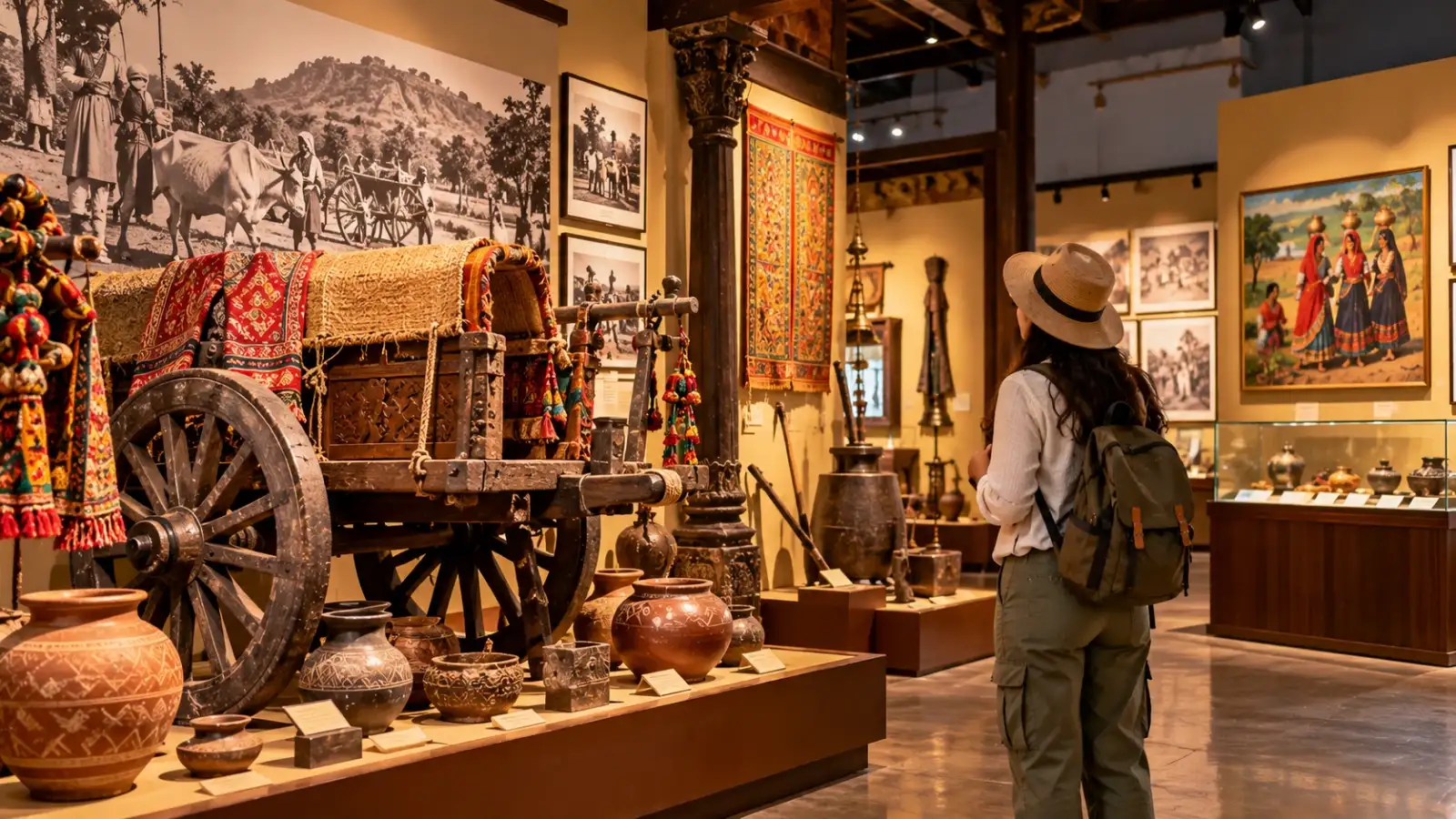
Its emphasis on objects used in daily life helps visitors understand how people adapted to the desert environment. The museum's approach also draws attention to the knowledge and traditions that are often overlooked in conventional historical accounts.
Visitors can learn about local customs, artistic traditions and the historical development of the state. It is particularly useful for travellers who want to understand Manipur's distinct cultural identity before exploring its towns and landscapes.
Its installations use artistic representations, objects and visual storytelling to explain relationships with forests, nature, rituals and community life. The museum offers a perspective on regional history that goes beyond royal dynasties and political events, helping visitors appreciate the diversity of central India.
The museum's distinctive architecture is another attraction. Exploring its galleries can help visitors connect Kerala's artistic traditions with the broader history of southern India.
Visitors can discover how artistic styles travelled between regions and how historical collectors preserved objects from different cultures. It is a valuable destination for anyone interested in material culture and the history of art.
Its collection includes traditional tools, household objects, agricultural equipment and other items associated with earlier generations. These artefacts help explain how people lived and worked before modern technology transformed many local practices.
For travellers exploring Goa beyond its beaches, the museum provides a different understanding of the state's cultural roots.
The museum provides context for understanding how the city developed from a collection of settlements into a major commercial centre. Its historic building also makes the visit worthwhile for those interested in architecture and heritage conservation.
Its displays introduce visitors to visual storytelling, traditional motifs and the cultural meanings associated with nature and community life. The museum provides a useful way to explore the artistic heritage of central India alongside the region's wildlife and landscapes.
Visitors should check current access arrangements before planning a trip, as facilities and opening schedules can change.
Although it is not a traditional local-history museum, it provides insight into scientific ideas, technology and their relevance to everyday life. Families travelling with children may find it a useful addition to a cultural itinerary.
The collection helps visitors understand how changing modes of travel influenced trade, communication, mobility and daily routines. It is an interesting destination for those curious about the history of technology and the role transport played in shaping modern India.
These collections can also help visitors understand how history differs from one region to another. A museum dedicated to tribal art, transport or agricultural life can reveal details that a general historical overview might miss.
Before visiting, check official opening hours, entry fees, photography rules and holiday closures. Some museums have limited facilities or require advance arrangements. Taking time to read the descriptions and speak with museum staff, where possible, can make the experience more rewarding.
Add one to your next itinerary and allow enough time to explore its collections. You may leave with a richer understanding of the destination and stories that stay with you long after the journey ends.
1. Arna-Jharna: The Desert Museum of Rajasthan, Jodhpur
Located near Jodhpur, Arna-Jharna explores the cultural life of Rajasthan through traditional knowledge, everyday objects, music and community practices. Rather than focusing only on royal history, the museum highlights the lives and skills of local communities.Its emphasis on objects used in daily life helps visitors understand how people adapted to the desert environment. The museum's approach also draws attention to the knowledge and traditions that are often overlooked in conventional historical accounts.
2. Manipur State Museum, Imphal
The Manipur State Museum offers an introduction to the history and cultural heritage of Manipur. Its collections include traditional costumes, archaeological objects, historical documents and items associated with the region's communities.Visitors can learn about local customs, artistic traditions and the historical development of the state. It is particularly useful for travellers who want to understand Manipur's distinct cultural identity before exploring its towns and landscapes.
3. Tribal Museum, Bhopal
The Madhya Pradesh Tribal Museum in Bhopal presents the lives, beliefs, art and traditions of several tribal communities through carefully designed displays.Its installations use artistic representations, objects and visual storytelling to explain relationships with forests, nature, rituals and community life. The museum offers a perspective on regional history that goes beyond royal dynasties and political events, helping visitors appreciate the diversity of central India.
4. Napier Museum, Thiruvananthapuram
Although larger than a typical local museum, the Napier Museum is a useful stop for understanding Kerala's artistic and cultural heritage. Its collections include sculptures, traditional ornaments, historical objects and examples of regional craftsmanship.The museum's distinctive architecture is another attraction. Exploring its galleries can help visitors connect Kerala's artistic traditions with the broader history of southern India.
5. Salar Jung Museum, Hyderabad
The Salar Jung Museum is one of India's best-known museums, but it also tells stories about collecting, craftsmanship and cultural exchange. Its collection includes objects from India and other parts of the world, including textiles, decorative arts, manuscripts and sculptures.Visitors can discover how artistic styles travelled between regions and how historical collectors preserved objects from different cultures. It is a valuable destination for anyone interested in material culture and the history of art.
6. Goa Chitra Museum, Benaulim
Goa Chitra Museum in Benaulim offers an engaging look at traditional Goan life, particularly the relationship between communities, agriculture and everyday work.Its collection includes traditional tools, household objects, agricultural equipment and other items associated with earlier generations. These artefacts help explain how people lived and worked before modern technology transformed many local practices.
For travellers exploring Goa beyond its beaches, the museum provides a different understanding of the state's cultural roots.
7. Dr Bhau Daji Lad Museum, Mumbai
Situated in Mumbai, the Dr Bhau Daji Lad Museum explores the city's social, industrial and cultural development. Its collections include decorative arts, historical maps, models and objects connected with Mumbai's transformation over time.The museum provides context for understanding how the city developed from a collection of settlements into a major commercial centre. Its historic building also makes the visit worthwhile for those interested in architecture and heritage conservation.
8. Kanha Museum of Life and Art, Madhya Pradesh
Located in the Kanha region, the Museum of Life and Art focuses on the artistic traditions of tribal communities, particularly Gond and other regional art forms.Its displays introduce visitors to visual storytelling, traditional motifs and the cultural meanings associated with nature and community life. The museum provides a useful way to explore the artistic heritage of central India alongside the region's wildlife and landscapes.
Visitors should check current access arrangements before planning a trip, as facilities and opening schedules can change.
You may also like
- Crucial Daily Habits to Shield Your Lungs as Urban AQI Crashes
- How Cooking Oil Smoke & Urban Smog Are Fueling a Dangerous Lung
- In 2023, families in a Mathura village doubted women could run a mustard oil unit; today five women manage the Rs 14 lakh venture, which has recorded more than Rs 24 lakh in sales since opening
- Bengaluru techie calls human dignity the biggest workplace perk, says he takes leave with just one message and works without strict attendance checks or micromanagement
- Chennai gets bedazzled: A little glue, a lot of glam
9. Regional Science Centre and Museum, Bhubaneswar
For visitors interested in the relationship between science, society and regional development, the Regional Science Centre in Bhubaneswar offers interactive exhibits and educational displays.Although it is not a traditional local-history museum, it provides insight into scientific ideas, technology and their relevance to everyday life. Families travelling with children may find it a useful addition to a cultural itinerary.
10. Heritage Transport Museum, Taoru, Haryana
Located in Taoru near Gurugram, the Heritage Transport Museum explores how transport has changed in India. Its displays include vintage vehicles, two-wheelers, railway-related objects and other transport artefacts.The collection helps visitors understand how changing modes of travel influenced trade, communication, mobility and daily routines. It is an interesting destination for those curious about the history of technology and the role transport played in shaping modern India.
Why Small and Specialised Museums Deserve More Attention
Smaller and specialised museums often preserve stories that are difficult to experience through monuments alone. They may document local occupations, traditional knowledge, regional art, community practices or the everyday objects people once relied on.These collections can also help visitors understand how history differs from one region to another. A museum dedicated to tribal art, transport or agricultural life can reveal details that a general historical overview might miss.
Before visiting, check official opening hours, entry fees, photography rules and holiday closures. Some museums have limited facilities or require advance arrangements. Taking time to read the descriptions and speak with museum staff, where possible, can make the experience more rewarding.
Explore India's History Beyond the Famous Attractions
India's smaller museums offer a different way to travel. They encourage visitors to look beyond famous monuments and discover the people, skills and traditions that have shaped local communities. Whether you are interested in tribal art, city history, traditional crafts or transport, these museums provide opportunities to learn something unexpected.Add one to your next itinerary and allow enough time to explore its collections. You may leave with a richer understanding of the destination and stories that stay with you long after the journey ends.






Loving Newspoint? Download the app now
