
10 Indian Towns Where Traditional Breakfasts Tell a Story of Local Culture

Breakfast in India is much more than a quick meal before work. In many towns, it reflects local agriculture, family recipes, seasonal ingredients and cooking methods passed down through generations. While dishes such as idli, poha and paratha are popular across the country, smaller towns often preserve distinctive preparations that receive less attention outside their home regions.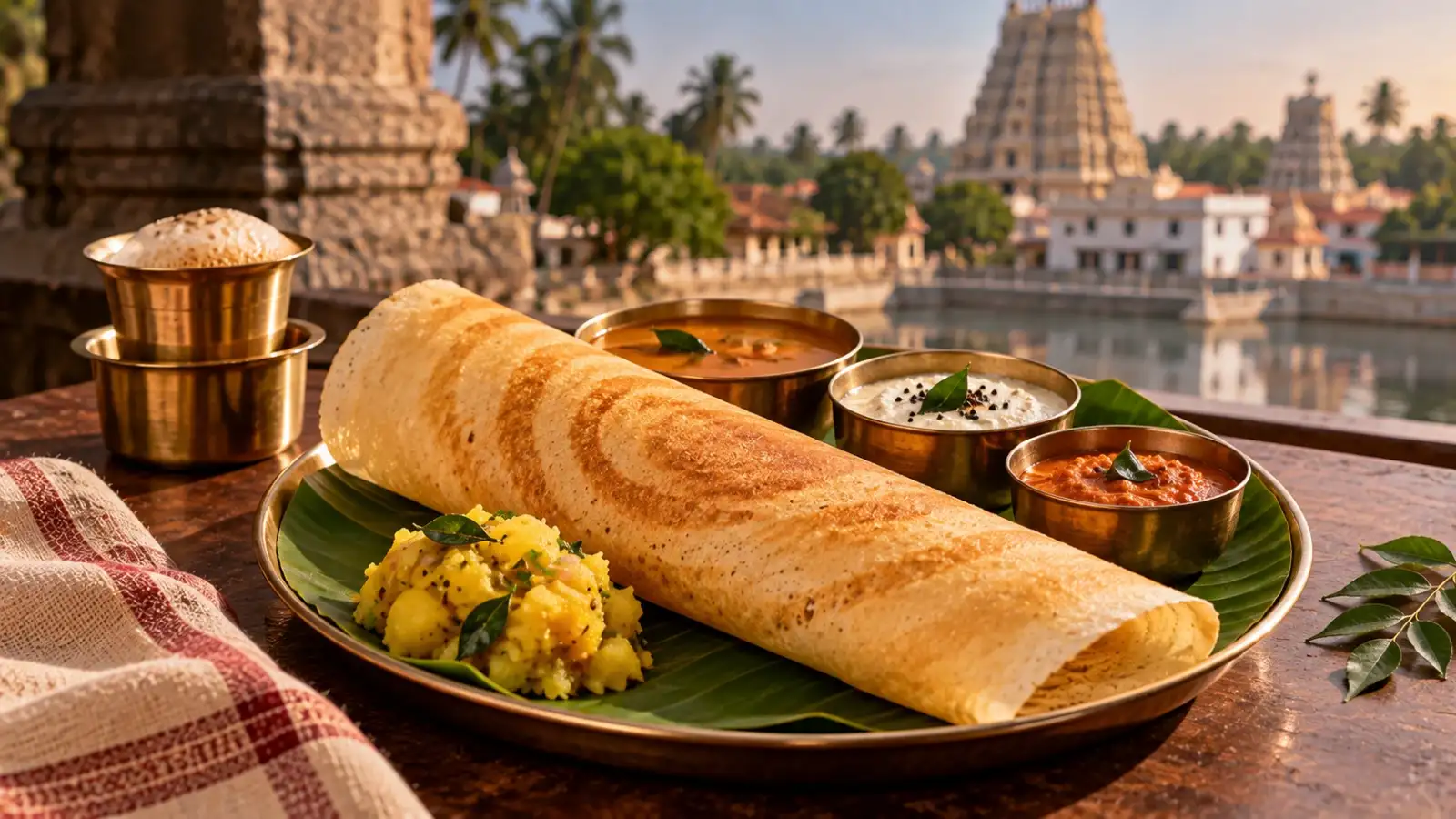
From the steamed rice pancakes of Odisha to the traditional breads of Himachal Pradesh and the rice-based morning meals of Assam, these food traditions reveal how differently people across India begin their day. Exploring them also gives travellers an opportunity to discover local markets, family-run eateries and regional cuisines beyond the usual tourist menus.
Here are 10 Indian towns worth exploring for their distinctive breakfast traditions.
Babru is often served with chutney or other accompaniments, although recipes differ between households. The use of wheat and pulses reflects the ingredients that have long been important in Himachali cooking. Unlike an ordinary flatbread, babru requires preparation of the filling as well as the dough, giving it a distinctive texture and flavour.
Travellers exploring Chamba can ask local residents about eateries serving freshly prepared babru. Pairing the bread with a simple chutney and a hot cup of tea offers an easy introduction to the region's everyday food culture.
Unlike a breakfast that requires extensive cooking, many jolpan combinations are assembled with minimal preparation. The ingredients provide different textures and flavours, while the combination of rice and dairy products creates a simple, familiar meal. The exact preparation varies between households and occasions.
For visitors, jolpan offers a glimpse into Assamese food habits beyond the more widely known regional dishes. Asking a homestay host about their preferred combination can be an especially useful way to discover local variations and understand how traditional breakfasts fit into everyday life.
Masala dosa combines a thin, crisp fermented rice-and-lentil crepe with a spiced potato filling. Idli, made from a fermented batter and steamed, offers a softer alternative. Coconut chutney and sambar provide contrasting flavours and textures, turning a few simple ingredients into a complete meal.
A breakfast visit to a traditional tiffin establishment can be a good starting point for exploring Udupi's culinary identity. Travellers can also ask about local specialities rather than choosing only the dishes they already know.
The dough is seasoned with spices before the breads are cooked on a griddle. Thepla is commonly served with yoghurt, pickle or chutney. Its practical preparation and ability to remain enjoyable after cooling have made it useful for busy households and travellers alike.
Although thepla is eaten throughout Gujarat, trying it in Bhuj offers an opportunity to explore the food culture of Kutch alongside its local markets and craft traditions. Visitors can ask about other regional breads and snacks available at neighbourhood eateries.
The pancake has a relatively mild flavour and is often paired with chutney or a vegetable curry. Its texture and taste depend on the ingredients and proportions used, with household recipes differing from one another. Rice-based preparations such as chakuli pitha reflect the importance of rice in Odisha's culinary traditions.
Travellers interested in regional food should ask local residents where traditional pitha is available in the morning. Some preparations may be easier to find at particular eateries or during specific occasions, so it is worth checking locally rather than assuming every restaurant serves them daily.
The pancake is cooked on a hot surface and may be served with butter, cheese or other accompaniments. Buckwheat is an important ingredient in parts of the Himalayan region, where local crops and climate have helped shape traditional cooking. Khura therefore offers a different experience from the rice-based breakfasts common in many other parts of India.
Visitors can ask homestay hosts or local guides where khura is available. Because Tawang experiences cold weather and changing mountain conditions, travellers should also plan their journey carefully and check current road and permit requirements before departure.
The accompanying aloo sabzi is generally seasoned with spices such as cumin, chilli and asafoetida. Some eateries also serve jalebi alongside the savoury meal, creating a contrast between spicy and sweet flavours. The combination is filling and particularly popular among visitors looking for a traditional North Indian breakfast.
For travellers, breakfast in Mathura offers an opportunity to experience local food beyond the town's religious attractions. Morning visits to established eateries can be especially rewarding, as freshly prepared breads and curries are often enjoyed soon after cooking.
Its creamy texture and warm seasoning make it a satisfying morning meal. Ven pongal is often served with coconut chutney and sambar, while filter coffee is a familiar accompaniment at many local tiffin establishments. The balance of seasoning and texture is important, even though the dish uses relatively simple ingredients.
Travellers visiting Kumbakonam can explore traditional eateries before heading out to see the town's historic temples. A freshly prepared plate of pongal offers a practical introduction to the region's everyday breakfast culture.
The steaming process gives siddu a soft interior, while fermentation contributes a distinctive flavour. It is commonly served with ghee, chutney or other local accompaniments. The dish reflects how mountain communities have developed filling foods using available ingredients and traditional preparation methods.
Visitors exploring Mandi can ask local eateries or homestay hosts about authentic siddu. It is worth checking availability in advance, as traditional preparations may not be served by every restaurant. Trying it alongside other Himachali dishes can provide a broader understanding of the state's food heritage.
Depending on the vendor, poha may include mustard seeds, turmeric, onions, peanuts, lemon and coriander. A generous topping of sev adds crunch and a savoury flavour to the soft rice. Some eateries offer additional snacks or tea alongside the dish.
A morning food stop in Ratlam is a useful way to explore how a familiar breakfast changes through local seasoning and accompaniments. Travellers can also visit local namkeen shops to discover the variety of savoury snacks associated with the town.
It is also important to recognise that many dishes are associated with an entire region rather than one town alone. Recipes change between households, and ingredients may vary according to availability, season and personal preference. These differences are part of India's culinary diversity.
When trying street food, choose vendors who prepare food fresh and handle ingredients carefully. If you have food allergies or dietary restrictions, ask about ingredients and cooking methods before ordering. Most importantly, approach local food with curiosity and respect. These breakfasts are not simply dishes to photograph, but traditions kept alive by home cooks, small businesses and generations of food makers.
From the steamed rice pancakes of Odisha to the traditional breads of Himachal Pradesh and the rice-based morning meals of Assam, these food traditions reveal how differently people across India begin their day. Exploring them also gives travellers an opportunity to discover local markets, family-run eateries and regional cuisines beyond the usual tourist menus.
Here are 10 Indian towns worth exploring for their distinctive breakfast traditions.
1. Chamba, Himachal Pradesh, for Babru
Chamba is known for its mountain scenery, historic temples and traditional Himachali cuisine. One local preparation worth trying is babru, a fried bread made from wheat flour and typically filled with seasoned black gram paste. Its crisp exterior and savoury filling make it a satisfying choice for a morning meal.Babru is often served with chutney or other accompaniments, although recipes differ between households. The use of wheat and pulses reflects the ingredients that have long been important in Himachali cooking. Unlike an ordinary flatbread, babru requires preparation of the filling as well as the dough, giving it a distinctive texture and flavour.
Travellers exploring Chamba can ask local residents about eateries serving freshly prepared babru. Pairing the bread with a simple chutney and a hot cup of tea offers an easy introduction to the region's everyday food culture.
2. Sivasagar, Assam, for Traditional Jolpan
Sivasagar offers an opportunity to explore Assam's rice-based food traditions, including jolpan, a broad term for traditional light meals commonly eaten in the morning. Depending on the preparation, jolpan may include flattened rice, puffed rice or other rice products served with curd, milk, jaggery and other accompaniments.Unlike a breakfast that requires extensive cooking, many jolpan combinations are assembled with minimal preparation. The ingredients provide different textures and flavours, while the combination of rice and dairy products creates a simple, familiar meal. The exact preparation varies between households and occasions.
For visitors, jolpan offers a glimpse into Assamese food habits beyond the more widely known regional dishes. Asking a homestay host about their preferred combination can be an especially useful way to discover local variations and understand how traditional breakfasts fit into everyday life.
3. Udupi, Karnataka, for Masala Dosa and Idli
Udupi has a strong reputation for vegetarian cooking, particularly its traditional tiffin dishes. Breakfast favourites include masala dosa, idli, medu vada and coconut chutney, often served with sambar. These dishes are familiar throughout India, but Udupi remains closely associated with the spread of this style of South Indian vegetarian food.Masala dosa combines a thin, crisp fermented rice-and-lentil crepe with a spiced potato filling. Idli, made from a fermented batter and steamed, offers a softer alternative. Coconut chutney and sambar provide contrasting flavours and textures, turning a few simple ingredients into a complete meal.
A breakfast visit to a traditional tiffin establishment can be a good starting point for exploring Udupi's culinary identity. Travellers can also ask about local specialities rather than choosing only the dishes they already know.
4. Bhuj, Gujarat, for Thepla and Local Accompaniments
Bhuj is an excellent place to explore the food traditions of Kutch, a region known for its distinctive landscape, handicrafts and regional cuisine. Thepla, a spiced flatbread often made with wheat flour and fenugreek leaves, is a familiar Gujarati preparation that can be eaten at breakfast or carried on a journey.The dough is seasoned with spices before the breads are cooked on a griddle. Thepla is commonly served with yoghurt, pickle or chutney. Its practical preparation and ability to remain enjoyable after cooling have made it useful for busy households and travellers alike.
Although thepla is eaten throughout Gujarat, trying it in Bhuj offers an opportunity to explore the food culture of Kutch alongside its local markets and craft traditions. Visitors can ask about other regional breads and snacks available at neighbourhood eateries.
5. Puri, Odisha, for Chakuli Pitha
Puri is widely known for its religious heritage and coastline, but traditional Odia food is another reason to explore the town. Chakuli pitha is a savoury pancake generally made from a rice-and-lentil batter. Depending on the recipe, the batter may be fermented before it is spread across a hot griddle.The pancake has a relatively mild flavour and is often paired with chutney or a vegetable curry. Its texture and taste depend on the ingredients and proportions used, with household recipes differing from one another. Rice-based preparations such as chakuli pitha reflect the importance of rice in Odisha's culinary traditions.
Travellers interested in regional food should ask local residents where traditional pitha is available in the morning. Some preparations may be easier to find at particular eateries or during specific occasions, so it is worth checking locally rather than assuming every restaurant serves them daily.
6. Tawang, Arunachal Pradesh, for Khura
Tawang's high-altitude location influences its food culture, where warm, filling dishes are welcome during cold mornings. Khura, a traditional pancake associated with the Monpa community of Arunachal Pradesh, is one regional preparation worth discovering. It is commonly made using buckwheat flour, although ingredients and serving methods can vary.The pancake is cooked on a hot surface and may be served with butter, cheese or other accompaniments. Buckwheat is an important ingredient in parts of the Himalayan region, where local crops and climate have helped shape traditional cooking. Khura therefore offers a different experience from the rice-based breakfasts common in many other parts of India.
Visitors can ask homestay hosts or local guides where khura is available. Because Tawang experiences cold weather and changing mountain conditions, travellers should also plan their journey carefully and check current road and permit requirements before departure.
7. Mathura, Uttar Pradesh, for Bedmi Puri and Aloo Sabzi
Mathura's food culture is closely connected with its temple traditions and long-standing vegetarian cooking practices. A popular morning combination is bedmi puri served with spicy potato curry. The bread is prepared using wheat flour and seasoned lentils or lentil paste, giving it a richer flavour than an ordinary puri.The accompanying aloo sabzi is generally seasoned with spices such as cumin, chilli and asafoetida. Some eateries also serve jalebi alongside the savoury meal, creating a contrast between spicy and sweet flavours. The combination is filling and particularly popular among visitors looking for a traditional North Indian breakfast.
For travellers, breakfast in Mathura offers an opportunity to experience local food beyond the town's religious attractions. Morning visits to established eateries can be especially rewarding, as freshly prepared breads and curries are often enjoyed soon after cooking.
8. Kumbakonam, Tamil Nadu, for Ven Pongal
Kumbakonam is known for its temples and traditional South Indian food. Ven pongal is a popular breakfast preparation made by cooking rice and moong dal together until soft. The dish is usually seasoned with black pepper, cumin, ginger, curry leaves and ghee.Its creamy texture and warm seasoning make it a satisfying morning meal. Ven pongal is often served with coconut chutney and sambar, while filter coffee is a familiar accompaniment at many local tiffin establishments. The balance of seasoning and texture is important, even though the dish uses relatively simple ingredients.
Travellers visiting Kumbakonam can explore traditional eateries before heading out to see the town's historic temples. A freshly prepared plate of pongal offers a practical introduction to the region's everyday breakfast culture.
9. Mandi, Himachal Pradesh, for Siddu
Siddu is a traditional Himachali bread made from wheat flour and fermented dough. It is associated with several parts of Himachal Pradesh, including the Mandi region. Depending on the recipe, the dough may be filled with ingredients such as ground walnuts, poppy seeds or lentils before being steamed.The steaming process gives siddu a soft interior, while fermentation contributes a distinctive flavour. It is commonly served with ghee, chutney or other local accompaniments. The dish reflects how mountain communities have developed filling foods using available ingredients and traditional preparation methods.
Visitors exploring Mandi can ask local eateries or homestay hosts about authentic siddu. It is worth checking availability in advance, as traditional preparations may not be served by every restaurant. Trying it alongside other Himachali dishes can provide a broader understanding of the state's food heritage.
10. Ratlam, Madhya Pradesh, for Poha With Sev
Ratlam is particularly associated with its spicy namkeen, especially sev, which gives the town's food culture a distinctive identity. Poha, made from flattened rice, is a familiar breakfast across Madhya Pradesh. It is prepared by softening the rice and tossing it with a tempering of spices and other ingredients.Depending on the vendor, poha may include mustard seeds, turmeric, onions, peanuts, lemon and coriander. A generous topping of sev adds crunch and a savoury flavour to the soft rice. Some eateries offer additional snacks or tea alongside the dish.
A morning food stop in Ratlam is a useful way to explore how a familiar breakfast changes through local seasoning and accompaniments. Travellers can also visit local namkeen shops to discover the variety of savoury snacks associated with the town.
How to Explore Traditional Breakfasts While Travelling
The best way to discover regional breakfast traditions is to look beyond menus designed primarily for tourists. Ask homestay hosts, local shopkeepers and residents what people usually eat in the morning. Small eateries may serve particular dishes only during certain hours, and popular preparations can sell out early.It is also important to recognise that many dishes are associated with an entire region rather than one town alone. Recipes change between households, and ingredients may vary according to availability, season and personal preference. These differences are part of India's culinary diversity.
When trying street food, choose vendors who prepare food fresh and handle ingredients carefully. If you have food allergies or dietary restrictions, ask about ingredients and cooking methods before ordering. Most importantly, approach local food with curiosity and respect. These breakfasts are not simply dishes to photograph, but traditions kept alive by home cooks, small businesses and generations of food makers.
Next Story