
How to Create a Small Rockery Garden Using Alpine Plants in Your Outdoor Space

A small rockery garden is a wonderful way to add natural texture, greenery and visual interest to an outdoor space. Inspired by mountain landscapes, this garden style combines stones, gravel and compact plants that grow well in rocky conditions. Alpine plants are particularly suitable because many varieties remain small, spread slowly and thrive in well-drained soil. You do not need a large garden to create one. A sunny corner, a raised bed or even a wide container can become an attractive miniature rock garden with careful planning. Here is how to design and maintain a small rockery using alpine plants.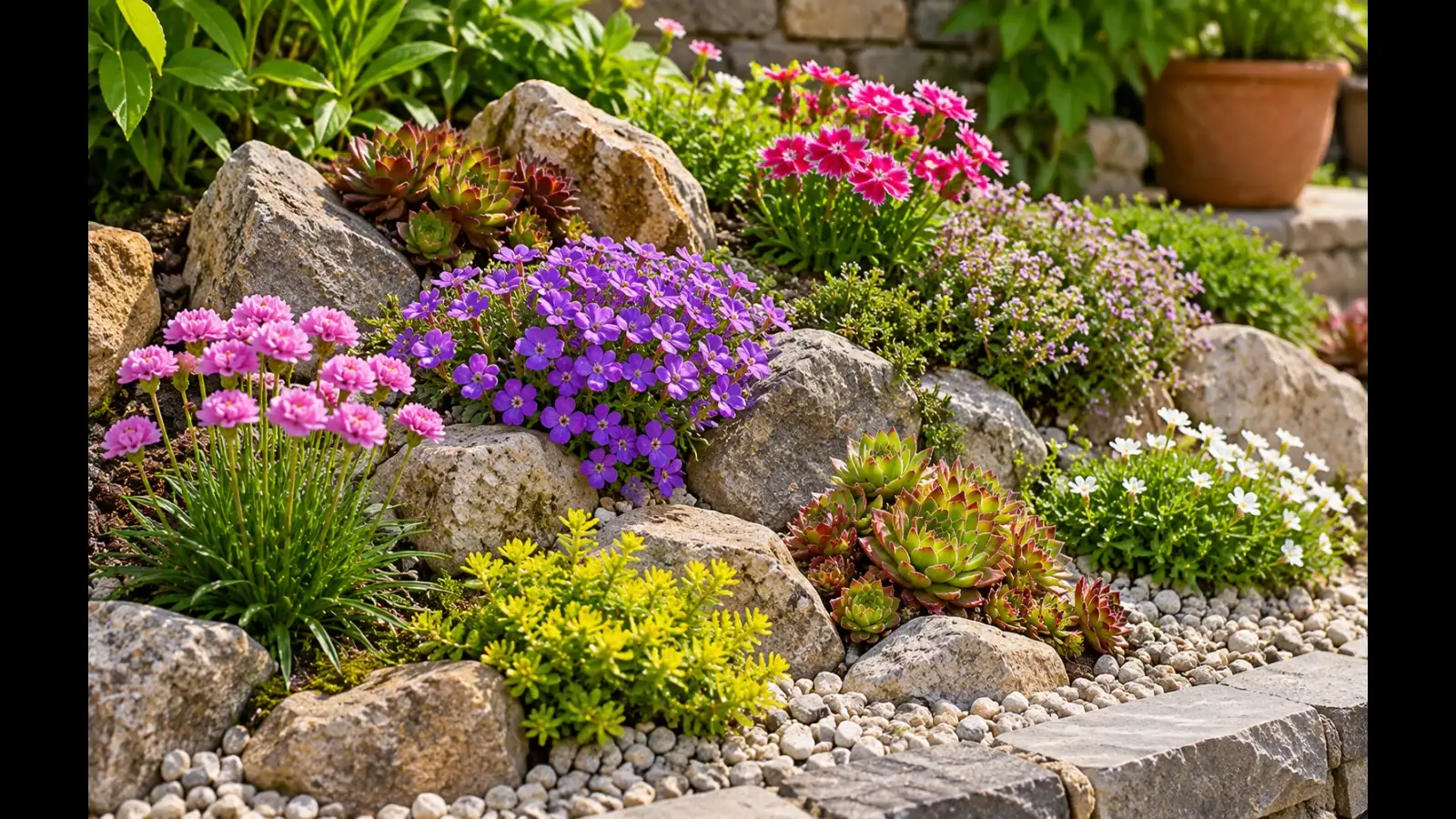
1. Choose a Suitable Location
Start by selecting a location that receives enough sunlight. Many traditional alpine plants grow naturally in mountain environments, where they are exposed to bright light and well-drained ground.
A sunny corner of your garden is usually a good choice. If you have limited outdoor space, consider using a raised planter, a shallow stone trough or a large container. Ensure that the selected area has proper drainage so that rainwater does not collect around the plant roots.
2. Select the Right Rocks and Stones
Rocks are the main structural feature of a rockery garden. Choose stones of different sizes but similar colours and textures to create a natural appearance.
Larger rocks can form the foundation, while smaller stones and gravel can fill the gaps. Position the stones so that they look naturally settled rather than arranged in a straight line. Partially burying larger rocks helps create a more realistic mountain-inspired landscape.
3. Prepare Well-Drained Soil
Alpine plants generally prefer soil that drains quickly. Heavy, waterlogged soil can cause root problems, particularly during rainy weather.
Prepare a growing mixture using garden soil, coarse sand or horticultural grit and some well-rotted compost. The exact proportions depend on the plants you select, but the final mixture should remain loose and free-draining.
For container rockeries, use pots with sufficient drainage holes. Avoid placing containers directly on surfaces where excess water cannot escape.
4. Choose Suitable Alpine Plants
Selecting compact plants with similar growing requirements is important for a successful rockery. Consider varieties that can tolerate your local climate and available sunlight.
Some options include:
5. Arrange Plants at Different Heights
A visually appealing rockery garden should have a natural arrangement rather than a uniform planting pattern.
Place taller or more upright plants towards the back or between larger stones. Use spreading varieties along the edges and smaller plants in narrow gaps. Leave enough space between them to allow for future growth.
Combining different leaf shapes, textures and flower colours creates a more interesting appearance. Avoid overcrowding the garden, as plants need sufficient airflow and room to develop.
6. Add Gravel for a Natural Finish
A layer of small gravel or horticultural grit around the plants gives the rockery a neat, natural appearance. It also helps keep leaves away from damp soil and reduces direct contact between plant stems and wet surfaces.
Choose gravel that complements the colour of your rocks. You can use small pebbles to fill empty spaces and create pathways between larger stones. Keep the material away from the crowns of plants that are sensitive to excess moisture.
7. Water Carefully and Avoid Overwatering
Although newly planted alpine plants need regular attention, many established varieties prefer moderate watering rather than constantly moist soil.
Check the growing medium before watering. If the upper layer feels dry, add water gently around the roots. Container rockeries may dry out faster than garden beds, particularly during hot weather.
Reduce watering during cooler or rainy periods. Always consider the individual needs of each plant, as some varieties require more moisture than others.
8. Maintain Your Rockery Garden Throughout the Year
A small rockery does not require intensive maintenance, but occasional care helps keep it attractive.
Remove weeds before they spread between the stones. Trim back dead flowers and damaged leaves, and divide overcrowded plants when necessary. Check the drainage after heavy rainfall and replace displaced gravel or stones.
Some alpine plants may need protection from excessive heat, humidity or prolonged heavy rain. If you live in a region with hot summers, consider using shade during the harshest afternoon hours and choose plants suited to local conditions.
Tips for Creating a Beautiful Small Rockery
1. Choose a Suitable Location
Start by selecting a location that receives enough sunlight. Many traditional alpine plants grow naturally in mountain environments, where they are exposed to bright light and well-drained ground.
A sunny corner of your garden is usually a good choice. If you have limited outdoor space, consider using a raised planter, a shallow stone trough or a large container. Ensure that the selected area has proper drainage so that rainwater does not collect around the plant roots.
2. Select the Right Rocks and Stones
Rocks are the main structural feature of a rockery garden. Choose stones of different sizes but similar colours and textures to create a natural appearance.
Larger rocks can form the foundation, while smaller stones and gravel can fill the gaps. Position the stones so that they look naturally settled rather than arranged in a straight line. Partially burying larger rocks helps create a more realistic mountain-inspired landscape.
3. Prepare Well-Drained Soil
Alpine plants generally prefer soil that drains quickly. Heavy, waterlogged soil can cause root problems, particularly during rainy weather.
Prepare a growing mixture using garden soil, coarse sand or horticultural grit and some well-rotted compost. The exact proportions depend on the plants you select, but the final mixture should remain loose and free-draining.
For container rockeries, use pots with sufficient drainage holes. Avoid placing containers directly on surfaces where excess water cannot escape.
4. Choose Suitable Alpine Plants
Selecting compact plants with similar growing requirements is important for a successful rockery. Consider varieties that can tolerate your local climate and available sunlight.
Some options include:
- Sedum: These low-growing succulents are available in several colours and are suitable for sunny, well-drained spaces.
- Sempervivum: Also known as houseleeks, these plants form attractive rosettes and are well suited to shallow, rocky containers.
- Thyme: Creeping varieties can spread between stones and produce small flowers.
- Aubrieta: This flowering plant forms colourful ground cover and is popular in traditional rock gardens.
- Dianthus: Compact varieties offer attractive flowers and often have a pleasant fragrance.
- Armeria: Also called sea thrift, it produces rounded clusters of flowers above neat, grass-like foliage.
5. Arrange Plants at Different Heights
A visually appealing rockery garden should have a natural arrangement rather than a uniform planting pattern.
Place taller or more upright plants towards the back or between larger stones. Use spreading varieties along the edges and smaller plants in narrow gaps. Leave enough space between them to allow for future growth.
Combining different leaf shapes, textures and flower colours creates a more interesting appearance. Avoid overcrowding the garden, as plants need sufficient airflow and room to develop.
6. Add Gravel for a Natural Finish
A layer of small gravel or horticultural grit around the plants gives the rockery a neat, natural appearance. It also helps keep leaves away from damp soil and reduces direct contact between plant stems and wet surfaces.
Choose gravel that complements the colour of your rocks. You can use small pebbles to fill empty spaces and create pathways between larger stones. Keep the material away from the crowns of plants that are sensitive to excess moisture.
7. Water Carefully and Avoid Overwatering
Although newly planted alpine plants need regular attention, many established varieties prefer moderate watering rather than constantly moist soil.
Check the growing medium before watering. If the upper layer feels dry, add water gently around the roots. Container rockeries may dry out faster than garden beds, particularly during hot weather.
Reduce watering during cooler or rainy periods. Always consider the individual needs of each plant, as some varieties require more moisture than others.
8. Maintain Your Rockery Garden Throughout the Year
A small rockery does not require intensive maintenance, but occasional care helps keep it attractive.
Remove weeds before they spread between the stones. Trim back dead flowers and damaged leaves, and divide overcrowded plants when necessary. Check the drainage after heavy rainfall and replace displaced gravel or stones.
Some alpine plants may need protection from excessive heat, humidity or prolonged heavy rain. If you live in a region with hot summers, consider using shade during the harshest afternoon hours and choose plants suited to local conditions.
Tips for Creating a Beautiful Small Rockery
- Use a limited colour palette for stones to maintain a coordinated appearance.
- Combine evergreen foliage with seasonal flowering plants.
- Choose compact varieties that will not quickly outgrow the available space.
- Position rocks at slightly different angles for a natural mountain-like effect.
- Avoid using heavy garden soil without improving its drainage.
- Keep the rockery away from areas where water regularly collects.
Next Story