
10 Charming European Towns to Stay in Instead of Busy Tourist Cities

Europe’s famous cities are packed with landmarks, museums, restaurants and historic streets, but staying in the centre can also mean dealing with crowds, busy transport hubs and expensive accommodation. Sometimes, a smaller town nearby offers a more relaxed base, with the opportunity to enjoy local markets, riverside walks, historic architecture and quieter evenings after the day-trippers have left.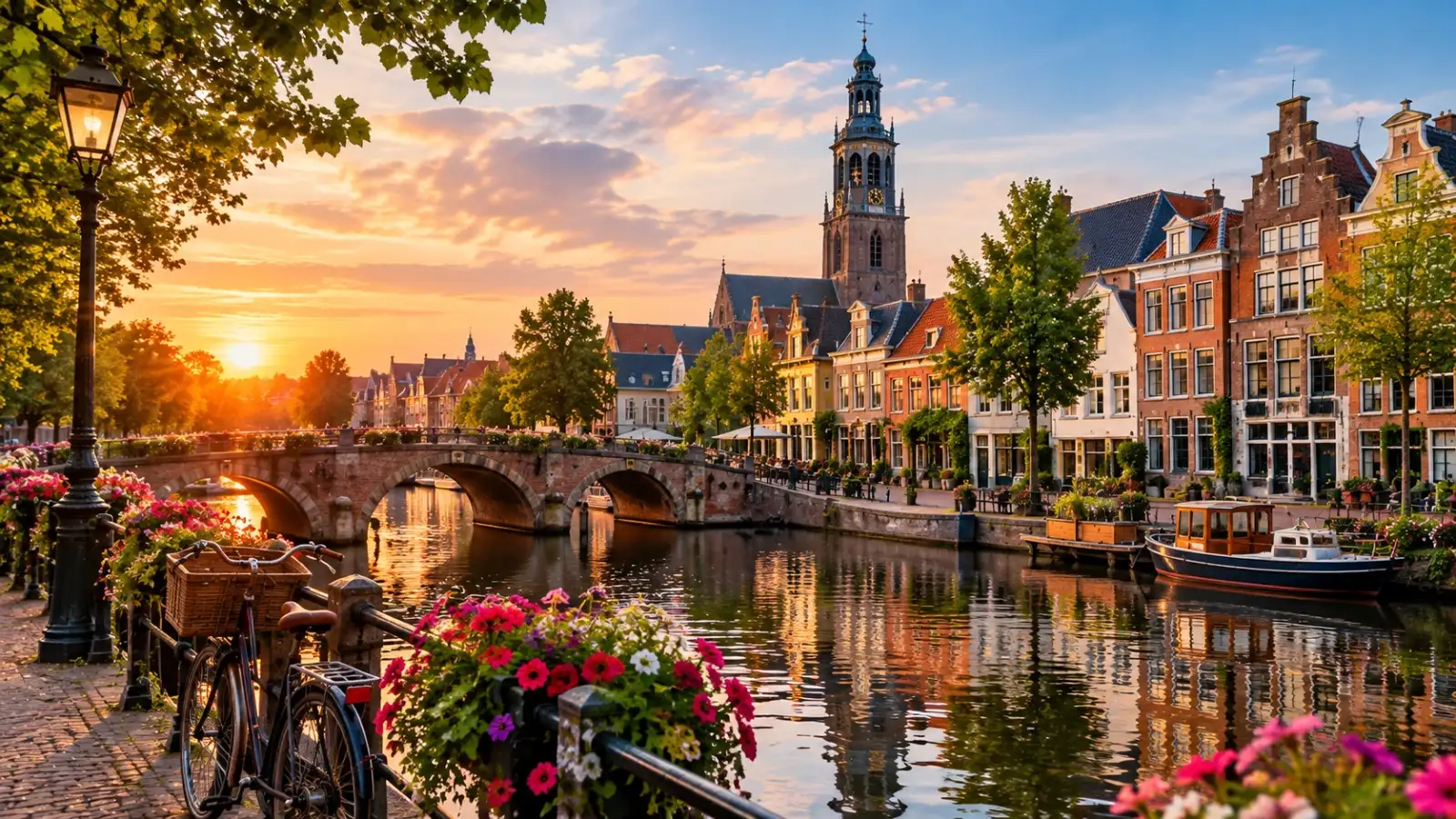
The best overnight stops are not necessarily the places farthest from major attractions. They are destinations that offer something distinct while remaining practical for onward travel. Some have direct rail connections, while others are easier to reach by regional bus or car. From the Netherlands to Italy and France, these small towns can add a different dimension to a European holiday.
The town also has cultural attractions, including the Frans Hals Museum, which explores Dutch art and history. Travellers can spend the afternoon visiting galleries and historic buildings before enjoying dinner in the old town. Haarlem has enough character to make an overnight stay worthwhile without requiring a packed sightseeing schedule.
A train journey from Amsterdam takes around 15 minutes on many services, making the town convenient for travellers arriving in the Dutch capital. It also works well for visitors who want to explore the surrounding region. If you prefer a quieter evening after a busy day in Amsterdam, Haarlem offers a practical balance between access and atmosphere.
Frascati is particularly appealing to travellers who want to experience a smaller Italian town rather than spend every evening among the major tourist attractions. Its central streets are suitable for leisurely walks, and local restaurants offer opportunities to explore Roman and Lazio-style cooking. The surrounding countryside also makes the area attractive for visitors interested in historic estates and scenic views.
Regional trains connect Frascati with Rome, although journey times and departure patterns should be checked before booking accommodation. Staying overnight gives travellers time to enjoy dinner and the town's evening atmosphere instead of treating it as a rushed excursion. It is especially suitable for a short break that combines Rome's famous sights with a slower pace outside the capital.
The historic centre is compact enough to explore on foot. Visitors can walk along the waterfront, discover the Church of Sant Bartomeu i Santa Tecla and spend time in the cafés and restaurants around the old town. The town also has a lively cultural calendar, although the atmosphere can become busier during major festivals and summer weekends.
Sitges is connected to Barcelona by regional rail, making it practical for travellers who want to combine city sightseeing with a coastal stay. An overnight visit is more rewarding than a brief stop because it allows time for a sunset walk and an unhurried meal by the sea. However, accommodation prices can rise during peak beach season, so advance planning is useful.
The Market Square is a good place to begin exploring, with the Nieuwe Kerk and the historic town hall providing prominent landmarks. Beyond the main square, quieter streets run alongside canals and small bridges. The result is a destination where sightseeing does not require constant travel between distant attractions.
Delft is also conveniently located between Rotterdam and The Hague, making it useful for travellers exploring several Dutch cities. An overnight stay provides time to enjoy the historic centre after the daytime visitors have departed. Its compact layout and rail connections make it a practical option for visitors who prefer not to rent a car.
One of Lucca's best features is the broad pedestrian route along its historic walls. Visitors can walk or cycle around much of the old town, enjoying views over rooftops, gardens and surrounding streets. Inside the walls, Piazza dell'Anfiteatro and the city's churches provide natural stops, while cafés and restaurants encourage a slower pace.
Lucca is connected to Florence by train, but the journey takes longer than a short suburban transfer, so it is best considered a separate overnight stop rather than a place to commute from every day. It also works well as part of a wider Tuscan itinerary that includes Pisa and smaller countryside destinations. Travellers who value walkability and historic atmosphere may find it more relaxing than staying in Florence's busiest districts.
Sintra's appeal extends beyond its palaces. The historic centre has small shops, cafés and traditional pastry spots, while the surrounding area offers forested walking routes and viewpoints. Travellers who enjoy architecture and nature can spend a full day exploring without needing to return immediately to Lisbon.
A train connects Lisbon with Sintra, although the main palaces may require additional local transport and walking. Overnight visitors should plan their sightseeing carefully because popular attractions can become crowded, particularly during holidays and summer. Staying nearby allows an early start and more time to explore the town once the busiest visiting hours have passed.
The Upper Town is the main draw. Visitors can walk along sections of the ramparts, explore the César Tower and discover historic buildings around the old streets. Seasonal medieval shows and events can add to the experience, although dates and availability vary. The town is also a good choice for travellers who enjoy photography and historic architecture rather than a schedule dominated by major museums.
Provins can be reached from Paris by regional train, but the journey is longer than a quick suburban trip. An overnight stay makes sense for visitors who want to explore the historic centre at a leisurely pace or attend an event without rushing back to the capital. Check train times and the opening schedules of individual attractions before finalising the itinerary.
The Belfry and Markt form the heart of the historic centre, while quieter canal-side lanes offer opportunities to explore away from the busiest streets. Visitors can take a canal boat trip when services are operating, visit museums or simply walk through the old town. Local cafés and restaurants also make it easy to enjoy Belgian food and regional specialities.
Bruges is connected to Brussels by train, making it a useful stop on a wider Belgian itinerary. Staying overnight is particularly worthwhile because the atmosphere changes after many day visitors leave. It is not necessarily a budget alternative during peak periods, but travellers who want historic surroundings and an easy-to-explore centre may prefer it to a larger city stay.
The best way to explore is slowly. Walk along the lanes, notice the traditional architecture and enjoy the surrounding waterways. The village is not packed with major attractions, which is precisely its appeal for visitors who want time outdoors and a break from a tightly scheduled city itinerary.
Broek in Waterland is accessible from Amsterdam by regional bus, but accommodation options are more limited than in larger destinations. It is best suited to travellers who prioritise tranquillity and do not need extensive nightlife or a large choice of restaurants. Check local transport and the location of your accommodation carefully, especially if arriving late in the evening.
The town's historic centre has narrow lanes, traditional buildings and views of the castle rising above the river. Visitors can explore the castle grounds when open, browse small shops and cafés, and walk along the riverbanks. The scenery makes it a particularly appealing destination for photography and relaxed sightseeing.
Travel from Prague usually takes several hours by bus or a combination of transport options, depending on the service selected. Staying overnight gives visitors time to explore the centre in the quieter hours and avoids making the trip feel like a rushed excursion. During peak season, the town can still be busy, so an early start and advance accommodation booking are advisable.
Before booking, check the full journey from your arrival station to the accommodation, not just the distance between the two places. A town may look close on a map but require a bus connection, a change of train or a taxi late at night. Review the last departure times if you intend to spend the evening in a larger city.
Accommodation prices also vary with local festivals, school holidays and seasonal demand. Compare the cost of a room, transport and meals rather than assuming a smaller destination will always be cheaper. Finally, consider whether the town has enough restaurants and activities for the length of your stay. The best overnight stop is one that makes your itinerary easier while offering a worthwhile experience of its own.
The best overnight stops are not necessarily the places farthest from major attractions. They are destinations that offer something distinct while remaining practical for onward travel. Some have direct rail connections, while others are easier to reach by regional bus or car. From the Netherlands to Italy and France, these small towns can add a different dimension to a European holiday.
1. Haarlem Near Amsterdam, Netherlands
Haarlem is a strong alternative for travellers who want to explore the Netherlands without spending every night in Amsterdam. Its historic centre has cobbled streets, traditional architecture, independent shops and attractive canals. Grote Markt, the central square, is a natural starting point for exploring the town, while the surrounding lanes offer cafés and restaurants with a more local atmosphere.The town also has cultural attractions, including the Frans Hals Museum, which explores Dutch art and history. Travellers can spend the afternoon visiting galleries and historic buildings before enjoying dinner in the old town. Haarlem has enough character to make an overnight stay worthwhile without requiring a packed sightseeing schedule.
A train journey from Amsterdam takes around 15 minutes on many services, making the town convenient for travellers arriving in the Dutch capital. It also works well for visitors who want to explore the surrounding region. If you prefer a quieter evening after a busy day in Amsterdam, Haarlem offers a practical balance between access and atmosphere.
2. Frascati Near Rome, Italy
Rome offers an extraordinary concentration of ancient monuments, churches and museums, but its busiest neighbourhoods can feel hectic after a full day of sightseeing. Frascati, located in the Castelli Romani area southeast of the capital, provides a different experience. The town is known for its historic villas, hilltop setting, local food culture and regional wine traditions.Frascati is particularly appealing to travellers who want to experience a smaller Italian town rather than spend every evening among the major tourist attractions. Its central streets are suitable for leisurely walks, and local restaurants offer opportunities to explore Roman and Lazio-style cooking. The surrounding countryside also makes the area attractive for visitors interested in historic estates and scenic views.
Regional trains connect Frascati with Rome, although journey times and departure patterns should be checked before booking accommodation. Staying overnight gives travellers time to enjoy dinner and the town's evening atmosphere instead of treating it as a rushed excursion. It is especially suitable for a short break that combines Rome's famous sights with a slower pace outside the capital.
3. Sitges Near Barcelona, Spain
Sitges is a coastal town southwest of Barcelona that offers beaches, a walkable old centre and a relaxed Mediterranean atmosphere. Its seafront promenade, narrow streets, small shops and waterfront restaurants make it an appealing overnight stop for travellers who want a break from Barcelona's busy urban environment.The historic centre is compact enough to explore on foot. Visitors can walk along the waterfront, discover the Church of Sant Bartomeu i Santa Tecla and spend time in the cafés and restaurants around the old town. The town also has a lively cultural calendar, although the atmosphere can become busier during major festivals and summer weekends.
Sitges is connected to Barcelona by regional rail, making it practical for travellers who want to combine city sightseeing with a coastal stay. An overnight visit is more rewarding than a brief stop because it allows time for a sunset walk and an unhurried meal by the sea. However, accommodation prices can rise during peak beach season, so advance planning is useful.
4. Delft Near Rotterdam and The Hague, Netherlands
Delft offers historic canals, traditional Dutch buildings and a compact centre that is easy to explore on foot. It is particularly well suited to travellers interested in architecture, ceramics and local history. The town is associated with Delft Blue pottery, and visitors can learn about the craft through museums, historic collections and specialist workshops.The Market Square is a good place to begin exploring, with the Nieuwe Kerk and the historic town hall providing prominent landmarks. Beyond the main square, quieter streets run alongside canals and small bridges. The result is a destination where sightseeing does not require constant travel between distant attractions.
Delft is also conveniently located between Rotterdam and The Hague, making it useful for travellers exploring several Dutch cities. An overnight stay provides time to enjoy the historic centre after the daytime visitors have departed. Its compact layout and rail connections make it a practical option for visitors who prefer not to rent a car.
5. Lucca Near Florence, Italy
Florence is one of Italy's most celebrated destinations for Renaissance art and architecture, but its historic centre can become crowded during the main travel season. Lucca, in Tuscany, offers a different kind of Italian city break. Although larger than a typical village, its historic centre has the intimate feel of a small town, with medieval streets, churches, local food shops and a distinctive ring of Renaissance walls.One of Lucca's best features is the broad pedestrian route along its historic walls. Visitors can walk or cycle around much of the old town, enjoying views over rooftops, gardens and surrounding streets. Inside the walls, Piazza dell'Anfiteatro and the city's churches provide natural stops, while cafés and restaurants encourage a slower pace.
Lucca is connected to Florence by train, but the journey takes longer than a short suburban transfer, so it is best considered a separate overnight stop rather than a place to commute from every day. It also works well as part of a wider Tuscan itinerary that includes Pisa and smaller countryside destinations. Travellers who value walkability and historic atmosphere may find it more relaxing than staying in Florence's busiest districts.
6. Sintra Near Lisbon, Portugal
Sintra is known for its romantic palaces, wooded hills and colourful historic buildings. It is close enough to Lisbon for a day trip, but staying overnight can make the experience less rushed. The town and surrounding hills have several major attractions, including the National Palace of Sintra and the famous Pena Palace, set high above the surrounding landscape.Sintra's appeal extends beyond its palaces. The historic centre has small shops, cafés and traditional pastry spots, while the surrounding area offers forested walking routes and viewpoints. Travellers who enjoy architecture and nature can spend a full day exploring without needing to return immediately to Lisbon.
A train connects Lisbon with Sintra, although the main palaces may require additional local transport and walking. Overnight visitors should plan their sightseeing carefully because popular attractions can become crowded, particularly during holidays and summer. Staying nearby allows an early start and more time to explore the town once the busiest visiting hours have passed.
7. Provins Near Paris, France
Provins is a medieval town southeast of Paris, known for its fortified walls, historic towers and preserved old streets. It offers a different atmosphere from the French capital, with a strong sense of medieval heritage and a layout that rewards slow exploration.The Upper Town is the main draw. Visitors can walk along sections of the ramparts, explore the César Tower and discover historic buildings around the old streets. Seasonal medieval shows and events can add to the experience, although dates and availability vary. The town is also a good choice for travellers who enjoy photography and historic architecture rather than a schedule dominated by major museums.
Provins can be reached from Paris by regional train, but the journey is longer than a quick suburban trip. An overnight stay makes sense for visitors who want to explore the historic centre at a leisurely pace or attend an event without rushing back to the capital. Check train times and the opening schedules of individual attractions before finalising the itinerary.
8. Bruges Near Brussels, Belgium
Bruges is a historic Belgian city rather than a tiny town, but its compact centre and intimate streets make it a rewarding alternative to staying in a larger urban hub. Its canals, medieval architecture, market square and traditional chocolate shops create a distinctive atmosphere that is particularly appealing in the evening.The Belfry and Markt form the heart of the historic centre, while quieter canal-side lanes offer opportunities to explore away from the busiest streets. Visitors can take a canal boat trip when services are operating, visit museums or simply walk through the old town. Local cafés and restaurants also make it easy to enjoy Belgian food and regional specialities.
Bruges is connected to Brussels by train, making it a useful stop on a wider Belgian itinerary. Staying overnight is particularly worthwhile because the atmosphere changes after many day visitors leave. It is not necessarily a budget alternative during peak periods, but travellers who want historic surroundings and an easy-to-explore centre may prefer it to a larger city stay.
9. Broek in Waterland Near Amsterdam, Netherlands
For travellers who want a genuinely small settlement rather than another historic city, Broek in Waterland offers a quieter experience close to Amsterdam. The village is known for its traditional houses, canals, small bridges and peaceful setting in the Dutch countryside. It provides a glimpse of village life that contrasts with Amsterdam's busy streets and nightlife.The best way to explore is slowly. Walk along the lanes, notice the traditional architecture and enjoy the surrounding waterways. The village is not packed with major attractions, which is precisely its appeal for visitors who want time outdoors and a break from a tightly scheduled city itinerary.
Broek in Waterland is accessible from Amsterdam by regional bus, but accommodation options are more limited than in larger destinations. It is best suited to travellers who prioritise tranquillity and do not need extensive nightlife or a large choice of restaurants. Check local transport and the location of your accommodation carefully, especially if arriving late in the evening.
You may also like
- Noida airport renamed Narendra Modi International Airport after UP Cabinet nod; here's what changes for travellers
- Sarva Pitru Amavasya: Clear up the confusion regarding the date, and say these words while bidding farewell to your ancestors..
- A special alignment on Sarvapitri Amavasya! Make donations according to your zodiac sign..
- Parenting without the rat race: Kolkata parents explain why they chose unschooling for their 12-year-old twins, using everyday experiences to teach them beyond the classroom
- Have bonus letters for railway employees actually been issued? The government has provided a major update..
10. Český Krumlov Near Prague, Czechia
Český Krumlov is a picturesque historic town in southern Czechia, recognised for its castle complex, winding streets and setting beside the Vltava River. It is not immediately next to Prague, so it is better suited to a planned overnight stop than a quick trip between city attractions. The extra travel can be worthwhile for visitors who want to experience a different side of the country.The town's historic centre has narrow lanes, traditional buildings and views of the castle rising above the river. Visitors can explore the castle grounds when open, browse small shops and cafés, and walk along the riverbanks. The scenery makes it a particularly appealing destination for photography and relaxed sightseeing.
Travel from Prague usually takes several hours by bus or a combination of transport options, depending on the service selected. Staying overnight gives visitors time to explore the centre in the quieter hours and avoids making the trip feel like a rushed excursion. During peak season, the town can still be busy, so an early start and advance accommodation booking are advisable.
How to Choose the Right Overnight Stop
The best town depends on how you plan to travel. If you want straightforward rail connections, Haarlem, Delft and Sitges are useful options. Travellers interested in historic architecture may prefer Lucca, Provins or Český Krumlov, while those seeking coastal scenery can consider Sitges. Sintra suits visitors who want palaces and wooded landscapes, and Frascati offers a slower alternative to Rome.Before booking, check the full journey from your arrival station to the accommodation, not just the distance between the two places. A town may look close on a map but require a bus connection, a change of train or a taxi late at night. Review the last departure times if you intend to spend the evening in a larger city.
Accommodation prices also vary with local festivals, school holidays and seasonal demand. Compare the cost of a room, transport and meals rather than assuming a smaller destination will always be cheaper. Finally, consider whether the town has enough restaurants and activities for the length of your stay. The best overnight stop is one that makes your itinerary easier while offering a worthwhile experience of its own.






Loving Newspoint? Download the app now
