
What Is Social Burnout? Signs, Causes and Why You Feel Emotionally Drained After Socialising

Have you ever felt emotionally drained or tired after socialising with the people you know or love? You may have also noticed that social interaction has become more exhausting than they once did.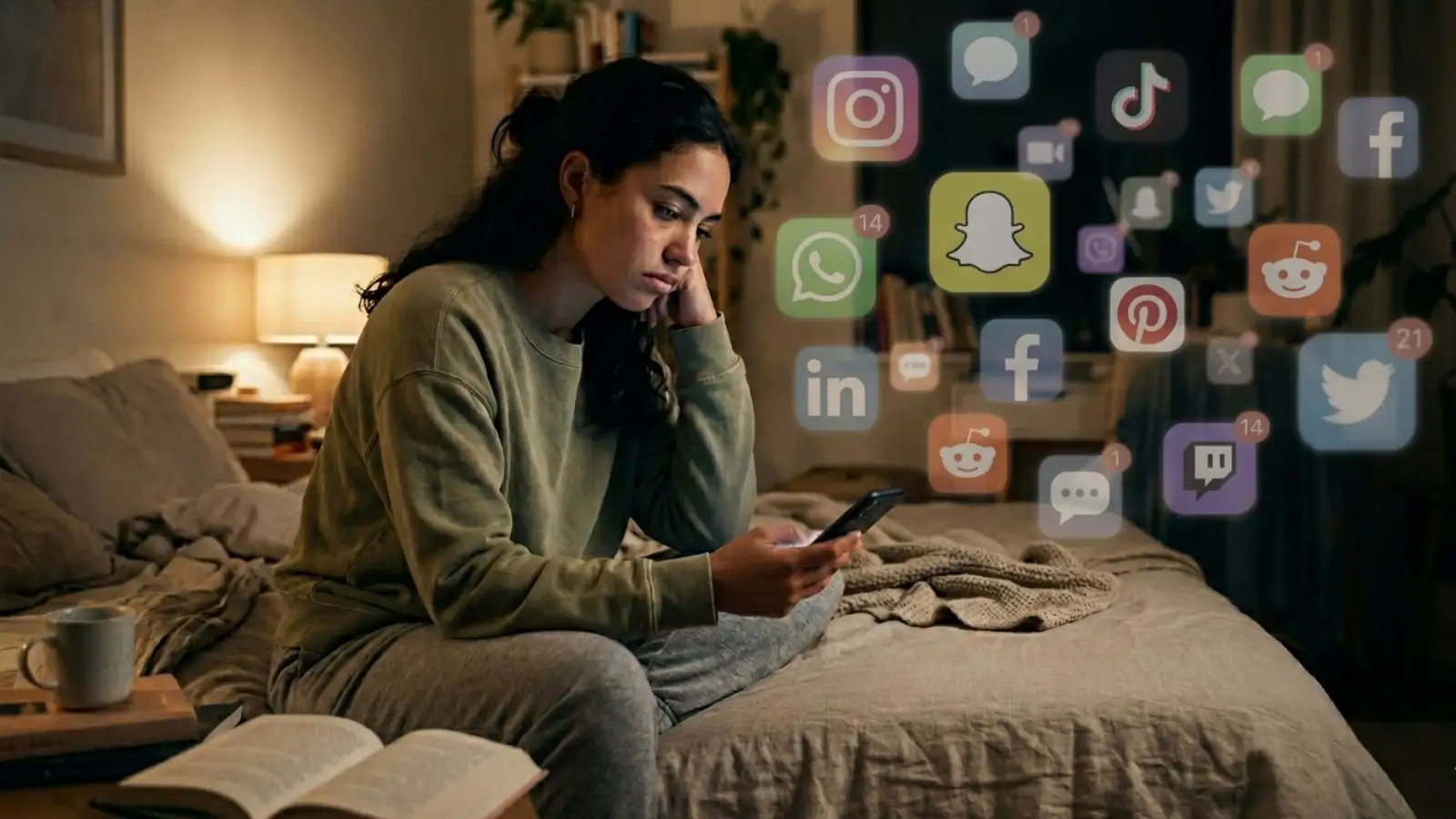
Replying to texts feels like a task, making plans may feel draining, and even simple conversations seem to consume more energy than before. The moment you get home, all you want to do is crash on your bed. This is not always physical exhaustion, but a quieter form of emotional fatigue . What if we told you that you are not the only one facing this problem? In a world built around constant connection, social tiredness has become more common than many realise. According to a major report by the Institute for Family Studies, released on April 20, 2026, nearly 79% of Gen Z and Millennials are experiencing severe social burnout .
Feeling exhausted after socialising, does not necessarily mean you are anti-social or dislike spending time with others. Often, it can simply be a sign of social fatigueness. Social fatigue is a common experience, especially for people balancing work, caregiving responsibilities, or ongoing stress. It can build up for many reasons, and is not always caused by disliking people or avoiding social interaction.
One main reason can be emotional labour , as holding space for other people’s feelings can become mentally and emotionally draining over time. Constant masking, self-monitoring and overcommitment can also add pressure, making you say yes out of obligations, which may eventually lead to self-doubts. Also, having multiple conversations at once, too many notifications, or spending time in crowded places can create a sensory overload, adding up to this exhaustion.
Check-in with yourself regularly and keep track of your social battery. It is not necessary to socialise every time, spend time with yourself too and give your nervous system a break. You can go for a walk or explore a new hobby. Try ground exercises and take slow breaths. Prioritise meaningful interactions over constant ones because genuine conversations can feel far less draining as compared to many shallow interactions. Sometimes overcoming fatigue is not about becoming more social but about recovering your balance.
Replying to texts feels like a task, making plans may feel draining, and even simple conversations seem to consume more energy than before. The moment you get home, all you want to do is crash on your bed. This is not always physical exhaustion, but a quieter form of emotional fatigue . What if we told you that you are not the only one facing this problem? In a world built around constant connection, social tiredness has become more common than many realise. According to a major report by the Institute for Family Studies, released on April 20, 2026, nearly 79% of Gen Z and Millennials are experiencing severe social burnout .
Reason Of This Exhaustion
Feeling exhausted after socialising, does not necessarily mean you are anti-social or dislike spending time with others. Often, it can simply be a sign of social fatigueness. Social fatigue is a common experience, especially for people balancing work, caregiving responsibilities, or ongoing stress. It can build up for many reasons, and is not always caused by disliking people or avoiding social interaction.One main reason can be emotional labour , as holding space for other people’s feelings can become mentally and emotionally draining over time. Constant masking, self-monitoring and overcommitment can also add pressure, making you say yes out of obligations, which may eventually lead to self-doubts. Also, having multiple conversations at once, too many notifications, or spending time in crowded places can create a sensory overload, adding up to this exhaustion.
Symptoms Of Social Fatigueness
- Emotional numbness
- Irritability
- Cognitive fog
- Avoidance
- Hyperawareness
- Low motivation
- Physical fatigue
How To Overcome This Exhaustion
Always remember that needing space will not make you rude, distant, or antisocial. If you feel tired after socialising, give yourself some space. Feeling tired often means your energy has been stretched too thin and needs time to recover. Standing up and shaking your arms and legs for 90 seconds, it might sound silly but it’s a proven way to send a signal to your nervous system that the "threat" is over.Check-in with yourself regularly and keep track of your social battery. It is not necessary to socialise every time, spend time with yourself too and give your nervous system a break. You can go for a walk or explore a new hobby. Try ground exercises and take slow breaths. Prioritise meaningful interactions over constant ones because genuine conversations can feel far less draining as compared to many shallow interactions. Sometimes overcoming fatigue is not about becoming more social but about recovering your balance.
Next Story