
What Is the ‘Soft Life’ Trend of 2026: Healing or Escapism?

In a world that thrives in speed and never slows down, the “slow life” has emerged as a pause in an endless race. The soft life is about choosing peace over pressure, helping you feel calm, refreshed and balanced.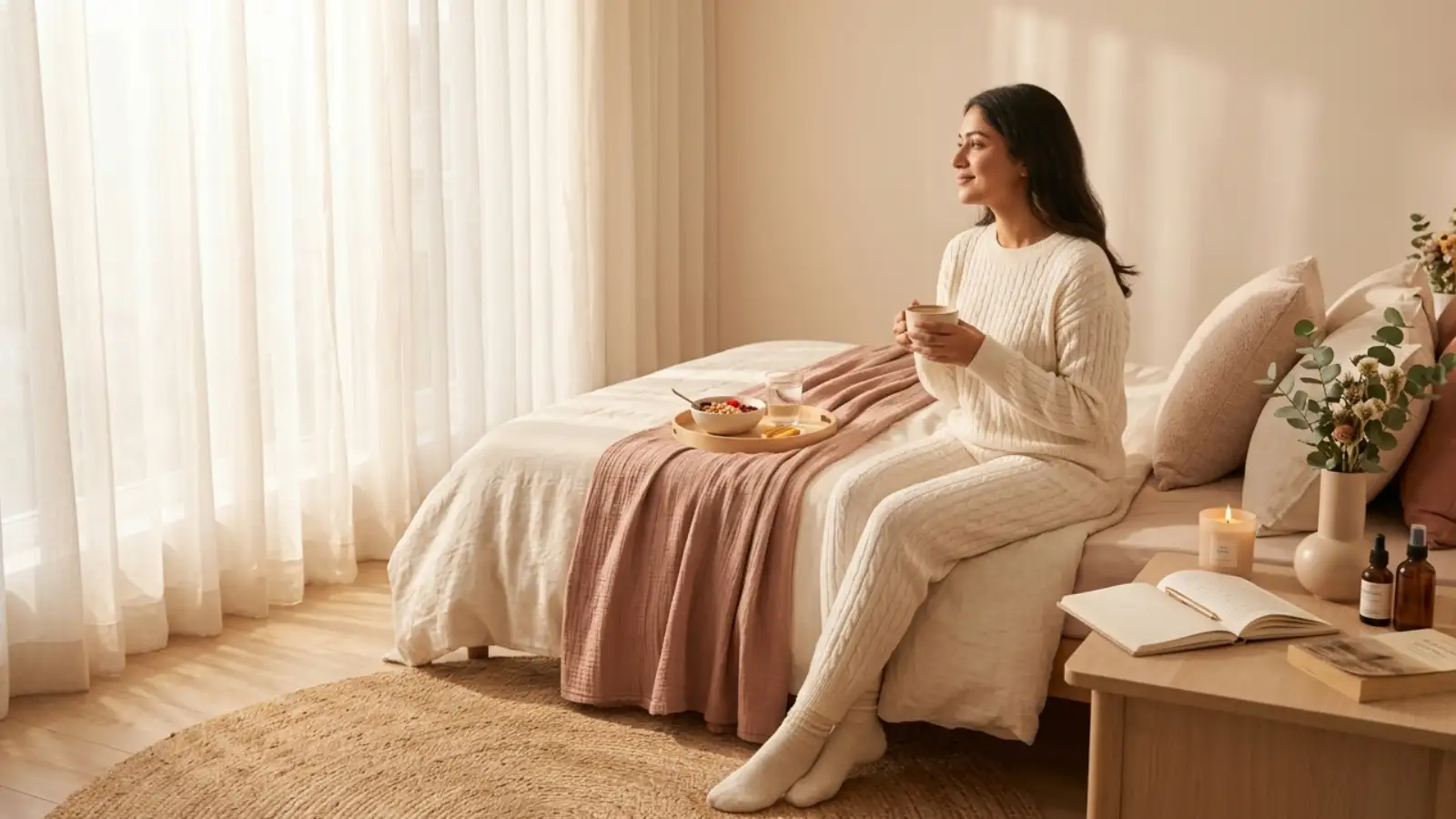
This trend promises a more fulfilling and peaceful way of living. It mainly focuses on shifting from “fight-or-flight" to "rest-and-digest” approach by embracing slow mornings, aesthetic home environments, and intentional social circles.
In 2026, this movement has evolved beyond a social media aesthetic into a broader cultural shift. As burnout quietly becomes a part of everyday life, more people are choosing a softer, more mindful way of living.
Influencers often share videos featuring travel, candles, slow mornings, or “soft girl era” captions. However, the deeper message lies in choosing well-being over relentless pressure.
The term didn’t originate randomly; it began in Nigeria among the Black women. Over time, the western interpretation of this trend leaned more towards luxury, but the core message remains the same - success is measured by “peace of mind” rather than net worth.
In such a scenario, “soft life” feels like a necessary escape, as burnout is no longer an exception but is becoming the norm. Another reason for its rise is the shift in social media trends. Social media platforms are no longer just glorifying hustle; they are gradually beginning to romanticise rest and peace.
People are now realising that constant hustle does not always guarantee success. Instead, they want to experience life rather than rush through it. The aesthetic appeal of this trend also adds to its popularity, as it showcases clean, calm and peaceful visuals online.
The idea of ‘soft life’ exists somewhere between healing and escape. It can be healing when it helps individuals recover from burnout and prioritise well-being. However, it can also become a form of escapism when used to avoid challenges.
Some levels of pressure are necessary, as growth does not always feel comfortable, and not everything difficult is harmful. Ultimately, the answer lies in the intention - whether softness is used to recover and grow or simply to withdraw.
This trend promises a more fulfilling and peaceful way of living. It mainly focuses on shifting from “fight-or-flight" to "rest-and-digest” approach by embracing slow mornings, aesthetic home environments, and intentional social circles.
In 2026, this movement has evolved beyond a social media aesthetic into a broader cultural shift. As burnout quietly becomes a part of everyday life, more people are choosing a softer, more mindful way of living.
What Is the Soft Life Trend?
This viral cultural trend has gained popularity on TikTok and Instagram, where people prioritise ease, rest, and emotional balance over constant hustle and burnout. It encourages avoiding unnecessary drama, stress, and overcommitting.Influencers often share videos featuring travel, candles, slow mornings, or “soft girl era” captions. However, the deeper message lies in choosing well-being over relentless pressure.
The term didn’t originate randomly; it began in Nigeria among the Black women. Over time, the western interpretation of this trend leaned more towards luxury, but the core message remains the same - success is measured by “peace of mind” rather than net worth.
Why Is It Trending Now?
This concept is gaining popularity because it reflects upon the realities of modern daily life. Many iIndividuals experience burnout due to constant online presence, while today’s hustle culture often equates overworking with success. As a result, people now feel more mentally exhausted than physically tired.In such a scenario, “soft life” feels like a necessary escape, as burnout is no longer an exception but is becoming the norm. Another reason for its rise is the shift in social media trends. Social media platforms are no longer just glorifying hustle; they are gradually beginning to romanticise rest and peace.
People are now realising that constant hustle does not always guarantee success. Instead, they want to experience life rather than rush through it. The aesthetic appeal of this trend also adds to its popularity, as it showcases clean, calm and peaceful visuals online.
Is It Healing or Just Escapism?
Social media today acts as both a blessing and a burden. While it has helped raise awareness about mental health among young people, it has also made it more visible and performative. This trend turned self-care into a spectacle, where people feel pressured to prove themselves online.The idea of ‘soft life’ exists somewhere between healing and escape. It can be healing when it helps individuals recover from burnout and prioritise well-being. However, it can also become a form of escapism when used to avoid challenges.
Some levels of pressure are necessary, as growth does not always feel comfortable, and not everything difficult is harmful. Ultimately, the answer lies in the intention - whether softness is used to recover and grow or simply to withdraw.
Next Story