
10 Delicious South Indian Breakfasts You Can Make at Home

South Indian breakfast is much more diverse than the familiar combination of idli and dosa. Across Tamil Nadu, Kerala, Karnataka, Andhra Pradesh and Telangana, breakfast tables feature everything from soft steamed cakes and savoury pancakes to spiced rice dishes and filling lentil preparations.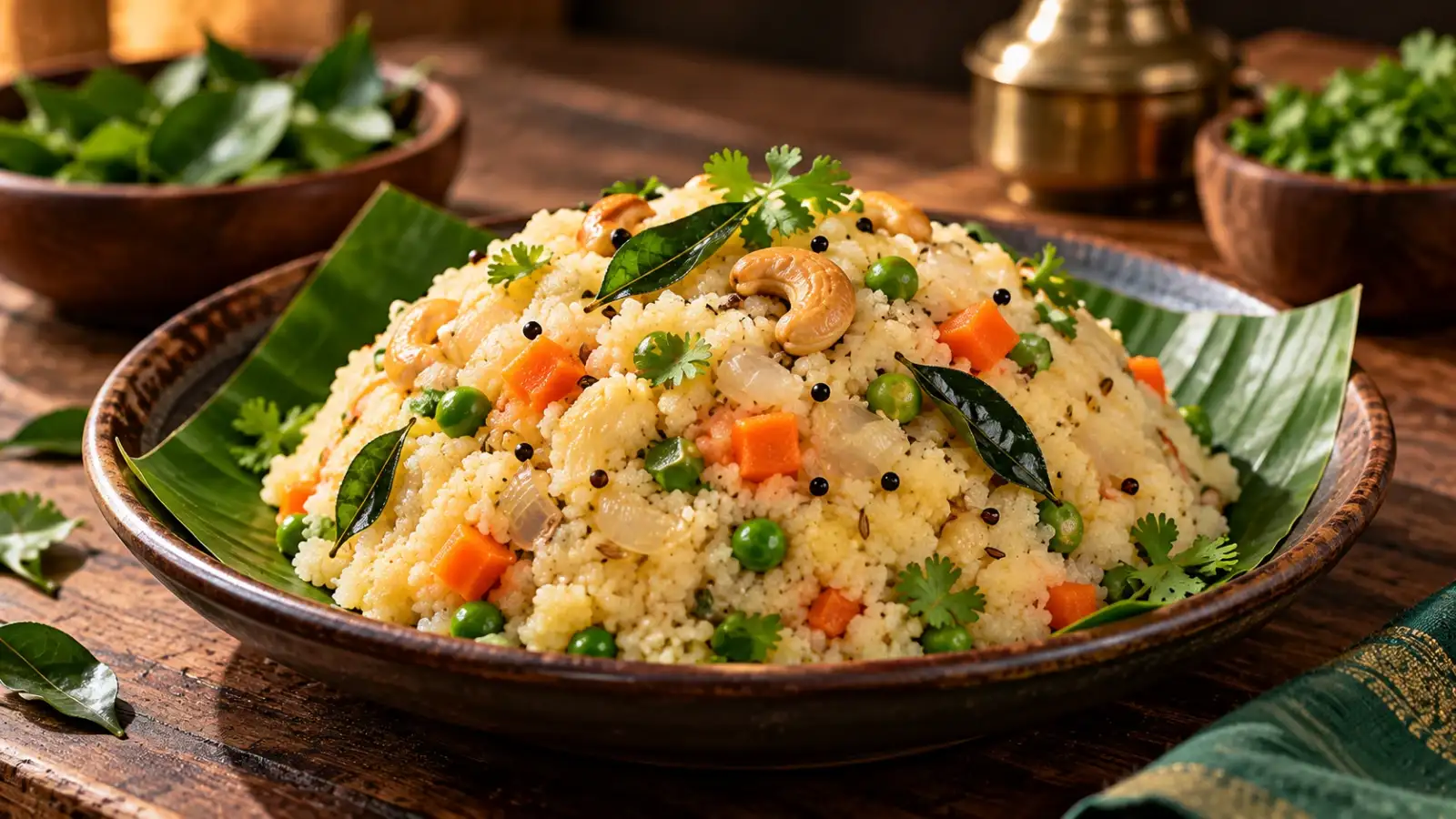
Many of these dishes use everyday ingredients such as rice, lentils, semolina, coconut, vegetables and spices. Some require fermentation or soaking, while others can be prepared relatively quickly.
If you want to explore the variety of South Indian breakfast, these 10 recipes are worth trying.
The dish is particularly popular in Tamil Nadu and is often served hot with coconut chutney or sambar.
For a simple home version, cook rice and moong dal together until soft, then temper spices, curry leaves and cashews in ghee and mix everything together.
The semolina is cooked with water and a tempering of mustard seeds, curry leaves, green chillies, ginger and other ingredients. Vegetables such as carrots and peas can also be added.
It is quick to prepare and works well when you want a filling breakfast without fermentation or lengthy preparation.
The soaked dal is blended with green chillies, ginger and spices before being spread into thin pancakes on a hot pan.
Pesarattu is often served with ginger chutney and can also be filled with upma for a more substantial breakfast.
It is typically prepared using a fermented batter based on rice, with coconut often contributing to its characteristic flavour and texture. The centre is soft and fluffy while the edges become thin and crisp.
Appam is commonly served with vegetable stew, coconut-based curries or other accompaniments.
The mixture is moistened and layered with grated coconut before being steamed in a cylindrical mould. The finished dish has a soft, crumbly texture and a mild flavour.
In Kerala, puttu is traditionally served with kadala curry, although it can also be paired with other savoury accompaniments.
Different varieties of dal can be used, while ingredients such as dried red chillies, curry leaves, ginger and onions add flavour. The batter does not usually require the same long fermentation process associated with traditional dosa batter.
Adai is generally thicker and more substantial than a regular dosa and can be served with coconut chutney or avial.
The batter is made using soaked rice blended with water to create a thin consistency. Unlike fermented dosa, neer dosa does not require lengthy fermentation.
The result is a soft, light pancake that pairs well with coconut chutney, vegetable preparations or curries.
The batter typically includes rava, yoghurt, spices and a tempering of mustard seeds, curry leaves and cashews. It is steamed in idli moulds until soft.
Rava idli is particularly associated with Karnataka and can be served with coconut chutney and sambar.
The batter is usually flavoured with ingredients such as ginger, pepper, cumin and curry leaves. It is traditionally steamed in a shape that differs from the small, round idlis commonly served at home.
The combination of spices gives it a more pronounced flavour, making it an interesting alternative for people who want to explore different styles of idli.
While sweet versions are well known, savoury varieties can also be prepared for breakfast. The dough can be shaped into small pieces and combined with ingredients such as lentils, coconut and spices before steaming.
It is a useful option for those looking for a lighter steamed breakfast with a different texture from idli.
Fermented recipes such as appam require planning because the batter needs time to develop. Others, including upma and pesarattu, can be prepared relatively quickly.
For recipes involving soaked rice or lentils, soaking time can significantly affect the final texture. A good non-stick or well-seasoned pan can also make thin preparations such as neer dosa and pesarattu easier to cook.
Fresh curry leaves, coconut, ginger, mustard seeds and spices can make a noticeable difference to the flavour of simple breakfast dishes.
Ven Pongal offers a soft and comforting meal, pesarattu provides a lentil-based alternative, while appam and puttu showcase Kerala's distinctive use of rice and coconut. Adai, neer dosa and rava idli add even more variety to the breakfast table.
Trying these dishes at home can be an easy way to explore different South Indian cooking traditions without relying on the same familiar breakfast every day.
Many of these dishes use everyday ingredients such as rice, lentils, semolina, coconut, vegetables and spices. Some require fermentation or soaking, while others can be prepared relatively quickly.
If you want to explore the variety of South Indian breakfast, these 10 recipes are worth trying.
Ven Pongal
Ven Pongal is a comforting combination of rice and moong dal cooked until soft and creamy. It is commonly seasoned with black pepper, cumin, ginger, curry leaves and cashews.The dish is particularly popular in Tamil Nadu and is often served hot with coconut chutney or sambar.
For a simple home version, cook rice and moong dal together until soft, then temper spices, curry leaves and cashews in ghee and mix everything together.
Upma
Upma is a simple savoury breakfast made primarily with semolina, commonly known as rava or sooji.The semolina is cooked with water and a tempering of mustard seeds, curry leaves, green chillies, ginger and other ingredients. Vegetables such as carrots and peas can also be added.
It is quick to prepare and works well when you want a filling breakfast without fermentation or lengthy preparation.
Pesarattu
Pesarattu is a savoury pancake associated with Andhra Pradesh and Telangana. Unlike many fermented South Indian pancakes, it is made using green gram, also known as moong dal.The soaked dal is blended with green chillies, ginger and spices before being spread into thin pancakes on a hot pan.
Pesarattu is often served with ginger chutney and can also be filled with upma for a more substantial breakfast.
Appam
Appam is a soft, lacy fermented pancake traditionally associated with Kerala.It is typically prepared using a fermented batter based on rice, with coconut often contributing to its characteristic flavour and texture. The centre is soft and fluffy while the edges become thin and crisp.
Appam is commonly served with vegetable stew, coconut-based curries or other accompaniments.
Puttu
Puttu is a steamed breakfast preparation made using rice flour and coconut.The mixture is moistened and layered with grated coconut before being steamed in a cylindrical mould. The finished dish has a soft, crumbly texture and a mild flavour.
In Kerala, puttu is traditionally served with kadala curry, although it can also be paired with other savoury accompaniments.
Adai
Adai is a protein-rich savoury pancake prepared using a mixture of rice and lentils.Different varieties of dal can be used, while ingredients such as dried red chillies, curry leaves, ginger and onions add flavour. The batter does not usually require the same long fermentation process associated with traditional dosa batter.
Adai is generally thicker and more substantial than a regular dosa and can be served with coconut chutney or avial.
Neer Dosa
Neer dosa is a delicate rice-based pancake associated particularly with coastal Karnataka.The batter is made using soaked rice blended with water to create a thin consistency. Unlike fermented dosa, neer dosa does not require lengthy fermentation.
The result is a soft, light pancake that pairs well with coconut chutney, vegetable preparations or curries.
Rava Idli
Rava idli provides a variation on the familiar steamed idli while using semolina instead of a traditional rice-and-urad dal batter.The batter typically includes rava, yoghurt, spices and a tempering of mustard seeds, curry leaves and cashews. It is steamed in idli moulds until soft.
Rava idli is particularly associated with Karnataka and can be served with coconut chutney and sambar.
Kanchipuram Idli
Kanchipuram idli is a traditional variation from Tamil Nadu that has a distinctive seasoning and preparation method.The batter is usually flavoured with ingredients such as ginger, pepper, cumin and curry leaves. It is traditionally steamed in a shape that differs from the small, round idlis commonly served at home.
The combination of spices gives it a more pronounced flavour, making it an interesting alternative for people who want to explore different styles of idli.
Kozhukattai
Kozhukattai is a steamed preparation made using rice flour and is associated with Tamil cuisine.While sweet versions are well known, savoury varieties can also be prepared for breakfast. The dough can be shaped into small pieces and combined with ingredients such as lentils, coconut and spices before steaming.
It is a useful option for those looking for a lighter steamed breakfast with a different texture from idli.
Tips for Making South Indian Breakfast at Home
Many South Indian breakfast recipes rely on rice and lentils, but their preparation methods can be very different.You may also like
- When the theft becomes part of the masterpiece
- Why Does Maa Durga Change Her Vahan Every Year?
- Why Do Pregnant Women Become Forgetful? Understanding 'Momnesia'
- Prostate Cancer Symptoms: Why Men May Have No Warning Signs in Early Stages
- Can a Simple CBC Blood Test Catch Blood Cancer, Oncologist Explains the Reality
Fermented recipes such as appam require planning because the batter needs time to develop. Others, including upma and pesarattu, can be prepared relatively quickly.
For recipes involving soaked rice or lentils, soaking time can significantly affect the final texture. A good non-stick or well-seasoned pan can also make thin preparations such as neer dosa and pesarattu easier to cook.
Fresh curry leaves, coconut, ginger, mustard seeds and spices can make a noticeable difference to the flavour of simple breakfast dishes.
Explore South Indian Breakfast Beyond the Classics
Idli and dosa may be among the best-known South Indian breakfasts, but they represent only a small part of the region's culinary variety.Ven Pongal offers a soft and comforting meal, pesarattu provides a lentil-based alternative, while appam and puttu showcase Kerala's distinctive use of rice and coconut. Adai, neer dosa and rava idli add even more variety to the breakfast table.
Trying these dishes at home can be an easy way to explore different South Indian cooking traditions without relying on the same familiar breakfast every day.






Loving Newspoint? Download the app now
