
Spending All Day on Screens? Simple Habits That May Ease Digital Eye Strain

Extended hours on a phone, laptop or tablet can leave eyes feeling tired, dry or uncomfortable. People notice blurred focus or headaches after concentrating on a screen, especially when they blink less often or work in poor lighting. These symptoms are grouped under digital eye strain and can affect many screen users.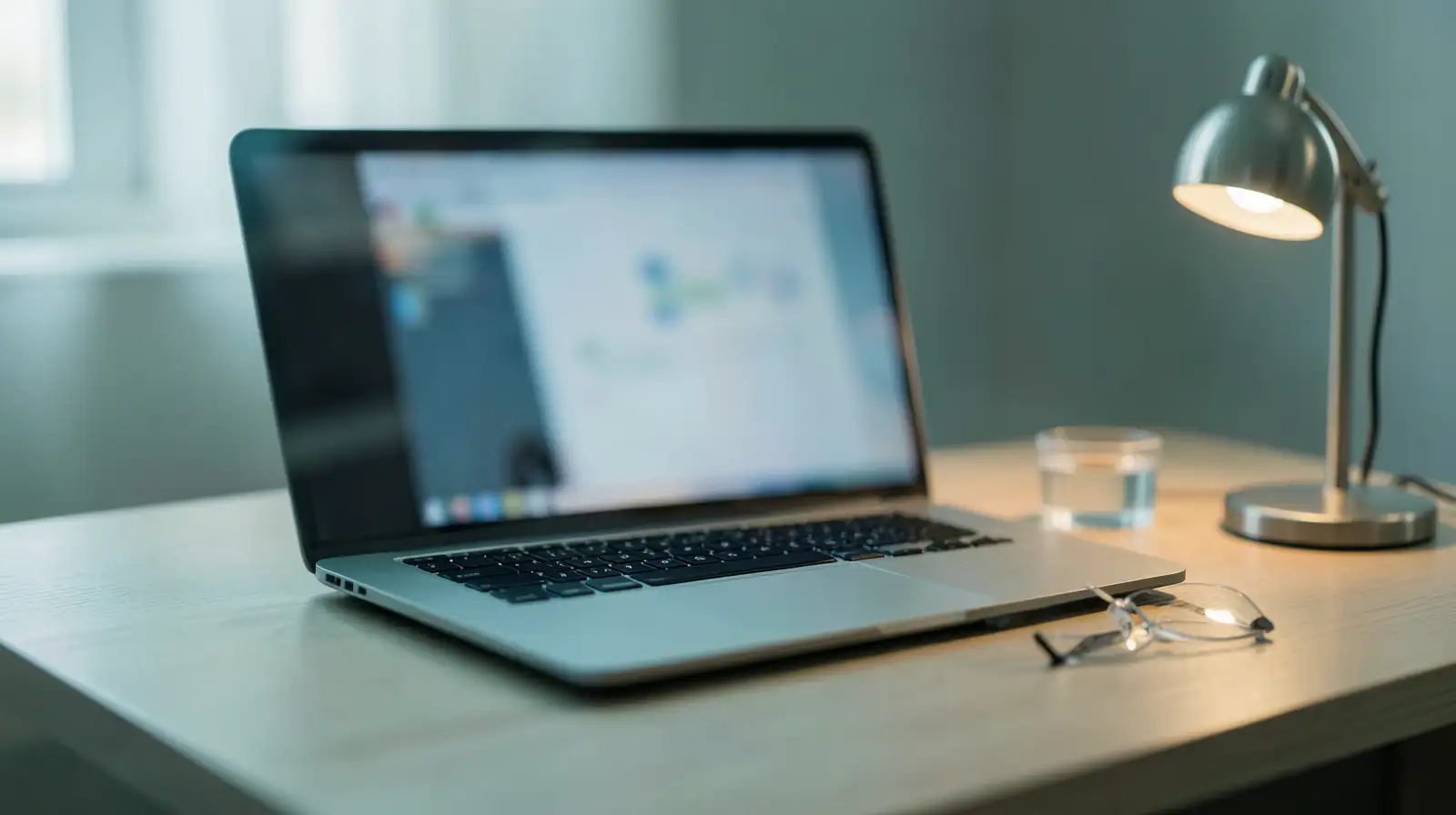
The answer is not necessarily to buy special glasses or abandon devices. Breaks, screen positioning, readable text and room lighting may reduce discomfort. Eye symptoms can have other causes, however, so persistent pain, ongoing blurred vision or frequent headaches deserve assessment rather than being blamed on screens alone.
People tend to blink less while concentrating on screens, which can contribute to dryness. Make a conscious effort to blink normally, and consider whether a fan or air conditioner is blowing directly towards your face. If dryness continues, ask an eye-care professional whether lubricating drops are suitable for you.
Keep the display clean and adjust brightness so it is not dramatically brighter or dimmer than the surrounding space. There is no single setting that suits everyone, so small changes and a little testing are often more useful than buying accessories immediately.
Blue-light-filtering glasses are often marketed for screen use, but evidence that they prevent digital eye strain is limited. Prioritise breaks, screen ergonomics and regular eye care instead of relying on a product to solve every problem. A sustainable routine should fit the workday: brief pauses, readable text and a comfortable setup are easier to maintain than a complicated collection of rules.
The answer is not necessarily to buy special glasses or abandon devices. Breaks, screen positioning, readable text and room lighting may reduce discomfort. Eye symptoms can have other causes, however, so persistent pain, ongoing blurred vision or frequent headaches deserve assessment rather than being blamed on screens alone.
Give your eyes regular breaks
A useful habit is the 20-20-20 rule : about every 20 minutes, look at something roughly 20 feet away for at least 20 seconds. This gives your eyes a brief change of focus during sustained near work. Set a reminder if meetings or deadlines make breaks easy to forget. Standing up briefly can also interrupt long spells of sitting.You may also like
- Zepto: Why is it under fire now..?
- Mahindra Scorpio: New clues emerge from South Africa testing..
- You can check the prices yourself on the app before purchasing medicines; if you are overcharged, file a complaint immediately..
- Keep these 5 things in mind before buying a car on a loan this Diwali..
- Was Chandravali Really Radha's Biggest Rival in Love?
People tend to blink less while concentrating on screens, which can contribute to dryness. Make a conscious effort to blink normally, and consider whether a fan or air conditioner is blowing directly towards your face. If dryness continues, ask an eye-care professional whether lubricating drops are suitable for you.
Adjust your screen and workspace
Position the screen roughly an arm’s length away, with the top near or slightly below eye level, then adjust the arrangement to suit your posture and vision. Increase text size rather than leaning forward to read tiny words. Reduce reflections by changing the screen angle or moving a lamp, and aim for lighting that feels comfortable instead of working in a glaring room or complete darkness.Keep the display clean and adjust brightness so it is not dramatically brighter or dimmer than the surrounding space. There is no single setting that suits everyone, so small changes and a little testing are often more useful than buying accessories immediately.
Know when to seek advice
Digital eye strain usually improves with rest and practical adjustments, but symptoms should not automatically be attributed to screens. Arrange an eye examination if discomfort is frequent, your vision remains blurred, headaches recur or you struggle to focus even after taking breaks. Sudden vision loss, severe eye pain or a new, intense headache needs urgent medical attention.Blue-light-filtering glasses are often marketed for screen use, but evidence that they prevent digital eye strain is limited. Prioritise breaks, screen ergonomics and regular eye care instead of relying on a product to solve every problem. A sustainable routine should fit the workday: brief pauses, readable text and a comfortable setup are easier to maintain than a complicated collection of rules.






Loving Newspoint? Download the app now
