
Should You Eat Spinach More Often? Discover Its Nutritional Benefits and Simple Ways to Add It to Everyday Meals

Spinach is easy to add to everyday meals, whether you stir it into dal, fold it into a chickpea-flour pancake, or blend a handful into a savoury sauce. Its mild flavour works with many ingredients, making it useful for cooks who want more vegetables without changing their routine dramatically in everyday cooking.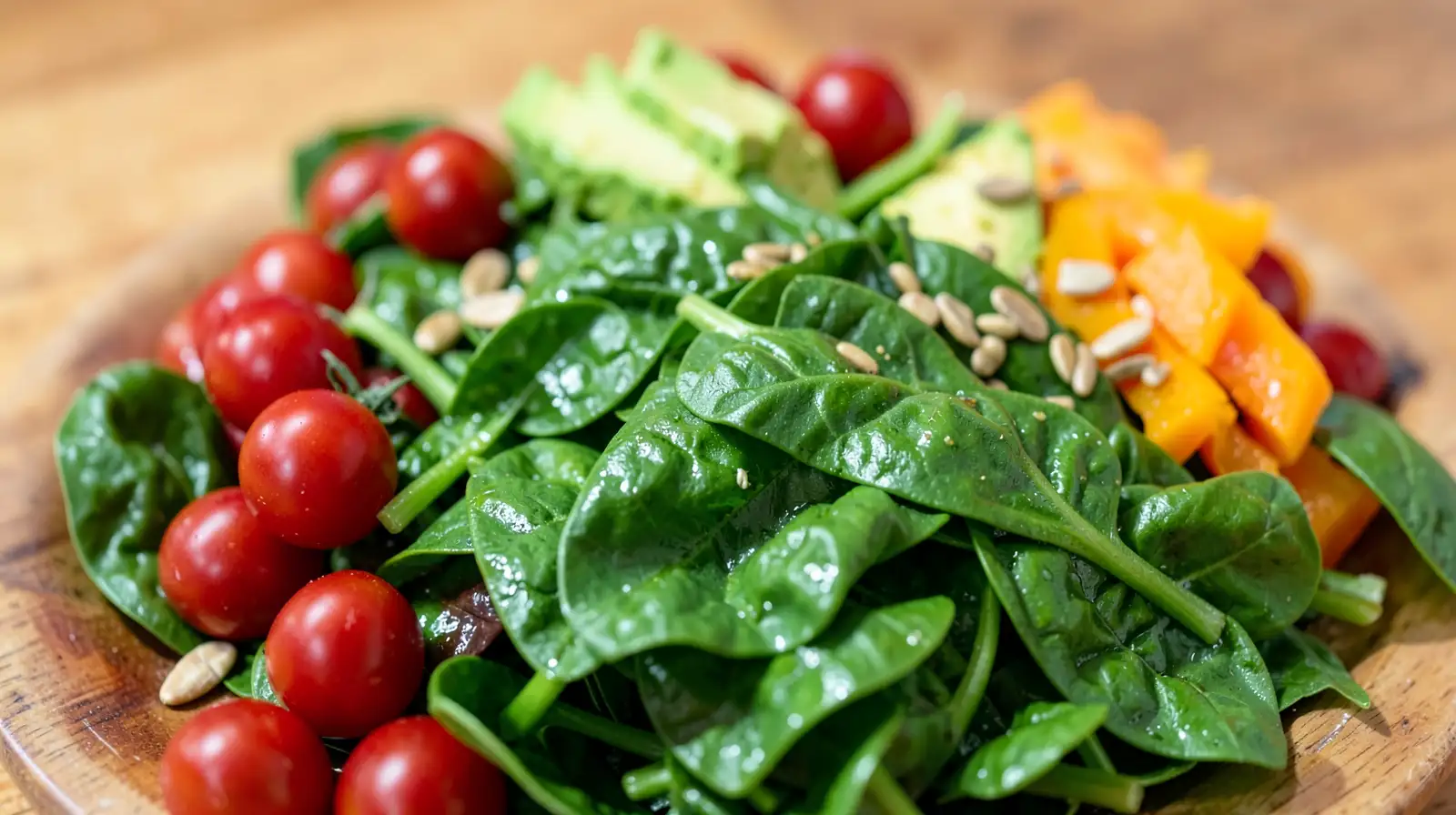
Like other leafy greens, spinach provides nutrients, including folate, vitamin K and carotenoids. However, no single vegetable can meet every nutritional need, and the way spinach is prepared affects how it fits into a meal. A balanced diet benefits from variety, with different vegetables appearing across the week.
Spinach contains iron too, although the body does not absorb all the iron in plant foods equally well. Pairing leafy greens with vitamin C-rich ingredients, such as tomatoes, lemon juice or capsicum, can improve the absorption of non-haem iron from a meal.
Cook the leaves until they reach the texture you prefer. They wilt considerably, so a large-looking bunch may produce a much smaller cooked portion. Seasoning with garlic, cumin, ginger or black pepper can help bring out their flavour without requiring a heavy sauce.
Avoid assuming that fresh spinach is automatically better than every frozen alternative. Frozen spinach can be a practical option for soups, curries and cooked dishes, and it reduces preparation time. Whichever form you choose, vary your vegetables rather than relying on spinach for all your leafy-green intake.
Spinach is a useful addition to a varied vegetarian diet, not a miracle ingredient. Combining it with pulses, whole grains, fruit and other vegetables creates more nutritional variety than focusing on a single food.
Like other leafy greens, spinach provides nutrients, including folate, vitamin K and carotenoids. However, no single vegetable can meet every nutritional need, and the way spinach is prepared affects how it fits into a meal. A balanced diet benefits from variety, with different vegetables appearing across the week.
What nutrients does spinach provide?
Spinach contains folate, which supports normal cell division, and vitamin K, which plays a role in blood clotting. It also provides carotenoids, including lutein and beta-carotene. These nutrients contribute to normal body functions, but eating spinach alone cannot prevent or treat a particular illness.Spinach contains iron too, although the body does not absorb all the iron in plant foods equally well. Pairing leafy greens with vitamin C-rich ingredients, such as tomatoes, lemon juice or capsicum, can improve the absorption of non-haem iron from a meal.
Simple ways to include spinach in meals
Adding spinach to familiar dishes is often easier than preparing an entirely new recipe. Stir chopped leaves into dal towards the end of cooking, mix them into vegetable pulao or use them in a filling for wholemeal wraps. You can also add spinach to soups with lentils, beans or other vegetables.Cook the leaves until they reach the texture you prefer. They wilt considerably, so a large-looking bunch may produce a much smaller cooked portion. Seasoning with garlic, cumin, ginger or black pepper can help bring out their flavour without requiring a heavy sauce.
Buying, washing and storing spinach
Choose leaves that look fresh, without widespread yellowing, sliminess or signs of decay. Keep spinach refrigerated and follow any storage instructions on the packaging. Wash loose leaves thoroughly under clean running water before preparing them, and remove damaged parts.Avoid assuming that fresh spinach is automatically better than every frozen alternative. Frozen spinach can be a practical option for soups, curries and cooked dishes, and it reduces preparation time. Whichever form you choose, vary your vegetables rather than relying on spinach for all your leafy-green intake.
Spinach is a useful addition to a varied vegetarian diet, not a miracle ingredient. Combining it with pulses, whole grains, fruit and other vegetables creates more nutritional variety than focusing on a single food.
Next Story