
Star Fruit Benefits and Risks: A Practical Guide to This Distinctive Seasonal Fruit

Star fruit, also called carambola, is recognised by its ridged shape, which creates a star when the fruit is sliced crosswise. Its flesh is crisp and juicy, with a flavour that can range from pleasantly tart to sweet depending on ripeness. It is eaten fresh and used in salads, drinks and garnishes.
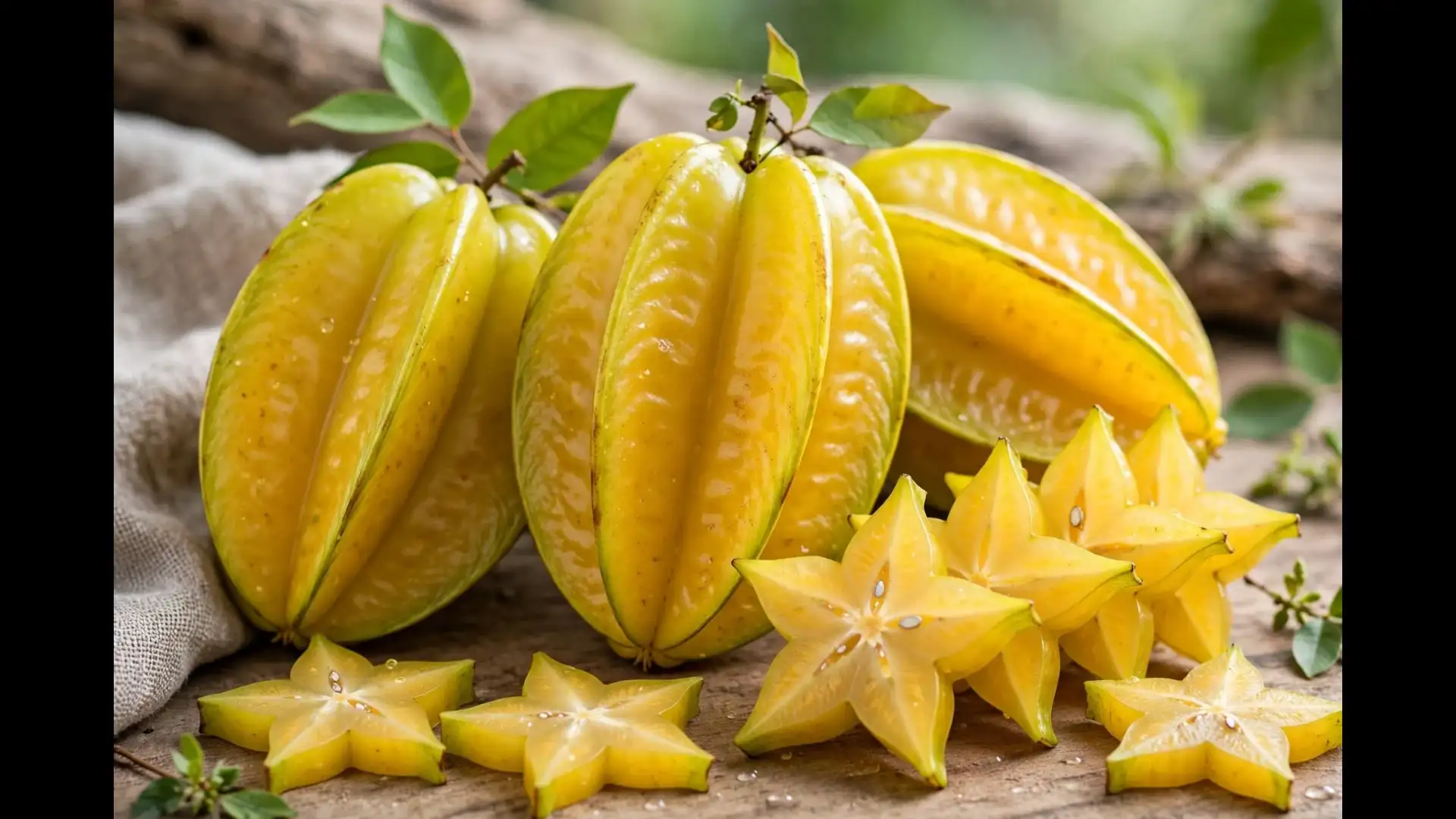
The fruit contains water, fibre and vitamin C, but it is not suitable for everyone. People with kidney disease need to avoid star fruit because it can cause serious reactions. Knowing this precaution, along with how to select and prepare the fruit, helps readers make an informed choice.
What star fruit contains
Carambola provides water, carbohydrates and dietary fibre, along with vitamin C and small amounts of other micronutrients. Its crisp flesh makes it refreshing when ripe, while the skin is generally eaten as part of the fruit.The most important point is its safety profile. Star fruit contains compounds that can affect the nervous system when they build up in the body. People with chronic kidney disease or impaired kidney function should avoid it, as serious poisoning has been reported. Anyone with kidney problems should seek medical advice rather than trying a small portion to test tolerance.
Choose and prepare it
Select firm fruit with glossy skin and a yellow colour, sometimes with light brown edges along the ridges. Green fruit is generally less ripe and more sour. Avoid pieces that are shrivelled, extensively bruised or mouldy.You may also like
- Lending Money to Friends? 7 Things to Check First
- Why Winter Makes Us Hungrier: The Science Explained
- Blood Molecule Breakthrough in Ovarian Cancer Detection
- Essential Tips for a Quick Skincare Routine
- A 19-year-old Mumbai student raised Rs 22 lakh for a 40-year-old Dharavi school serving 560 children; as redevelopment puts its future in question, he is now trying to raise Rs 1.5 crore to secure its land
Rinse the fruit under clean running water and dry it with a clean cloth. Trim the ends and slice crosswise to create the star shape. Remove any visible seeds. The skin can be eaten, so peeling is not usually necessary.
Ways to enjoy it
For people who can safely eat star fruit, thin slices can be added to a fruit salad with melon, grapes or apple. Its tartness also works in a savoury salad with cucumber, mint and a mild dressing. A few slices can be used as a garnish for a non-alcoholic drink.Avoid assuming that fruit juice is automatically a healthier choice than whole fruit. Blending or juicing can make it easier to consume a larger quantity, and added sugar can increase the sweetness substantially. Keep portions modest and enjoy it as part of a varied diet.
Store it sensibly
Keep ripe fruit in the refrigerator and use it while the flesh remains firm and fresh. Unripe fruit can be left at room temperature briefly to ripen, away from direct heat. Discard fruit that develops mould, leaking patches or an unpleasant smell.Star fruit may look like an ordinary seasonal snack, but its kidney-related warning is essential. For people with kidney disease, avoiding it is the safest choice.






Loving Newspoint? Download the app now
