
Start a Nature Journal With Simple Notes About Birds, Plants and Everyday Discoveries

A nature journal can turn an ordinary walk, garden visit or view from a window into a small daily discovery. You do not need specialist equipment or detailed drawing skills; a notebook, pencil and curiosity are enough. Observing familiar surroundings over time can reveal seasonal changes that are easy to miss during a busy day.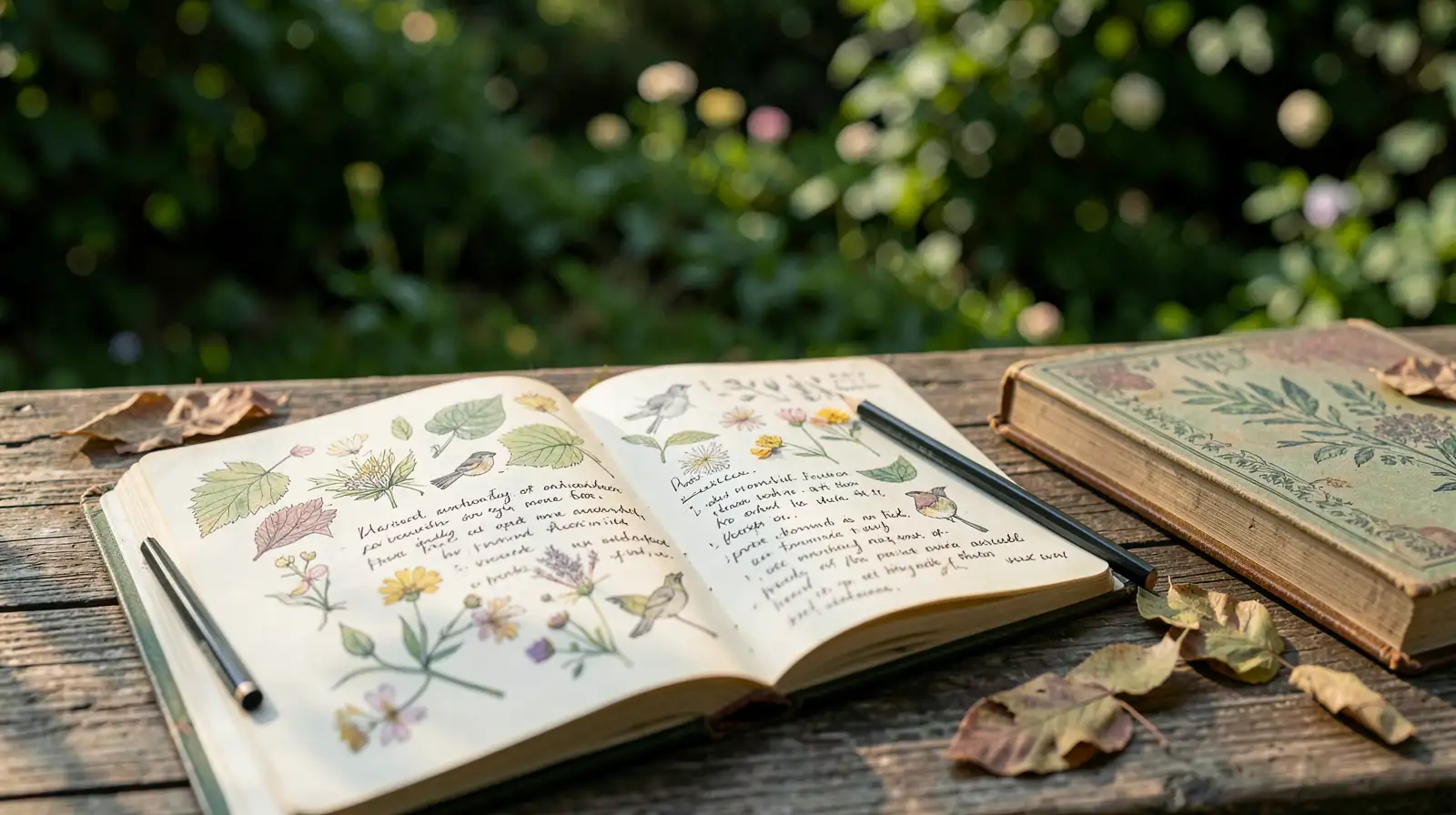
The practice works for adults and children, alone or together. Rather than trying to identify every plant or bird immediately, record what you notice and return to it later. Short, regular entries are more sustainable than ambitious pages that make the hobby feel like homework.
You do not need to know species names to begin. Describe a bird’s size, colour, call and movement, or sketch the shape of a leaf. If you later use a field guide or reliable identification app, compare several features rather than relying on one photograph alone. Mark uncertain identifications with a question mark instead of guessing.
For a nature journal for beginners , consistency matters more than artistic skill. Revisit the same place weekly and compare what has changed. You may notice flowering times, migrating birds or differences after rain. These records can help you understand seasonal nature changes in your own neighbourhood without disturbing wildlife.
Over time, your notes become a record of local nature observation and wildlife spotting , including ordinary details that might otherwise be forgotten. Keep the practice relaxed: a few honest lines are enough. The purpose is to notice more, not to produce a perfect scientific log.
The practice works for adults and children, alone or together. Rather than trying to identify every plant or bird immediately, record what you notice and return to it later. Short, regular entries are more sustainable than ambitious pages that make the hobby feel like homework.
Begin with what you can see
Choose one small area: a tree on your street, a balcony planter, a local park bench or the view from your kitchen window. Spend five minutes noticing details before writing. Record the date, weather, light and a few observations, such as which birds visited, whether new leaves appeared or what insects were active. These notes form the foundation of nature journaling .You do not need to know species names to begin. Describe a bird’s size, colour, call and movement, or sketch the shape of a leaf. If you later use a field guide or reliable identification app, compare several features rather than relying on one photograph alone. Mark uncertain identifications with a question mark instead of guessing.
Make entries easy to repeat
Keep the notebook and pencil somewhere accessible, or use a notes app if that makes recording more convenient. A simple format prevents each entry from becoming a large project: date, location, weather, three things noticed and one question to explore. Add a small drawing, fallen leaf description or sound note when it helps you remember the moment.For a nature journal for beginners , consistency matters more than artistic skill. Revisit the same place weekly and compare what has changed. You may notice flowering times, migrating birds or differences after rain. These records can help you understand seasonal nature changes in your own neighbourhood without disturbing wildlife.
Observe responsibly
Watch animals from a distance and never feed wildlife simply to attract a better view. Do not remove nests, eggs, plants or protected natural objects, and avoid trampling fragile areas to reach a subject. If you are journaling with children, encourage questions and careful observation rather than collecting specimens.Over time, your notes become a record of local nature observation and wildlife spotting , including ordinary details that might otherwise be forgotten. Keep the practice relaxed: a few honest lines are enough. The purpose is to notice more, not to produce a perfect scientific log.
Next Story