
From Garden To Table: A 7-Step Guide To Growing And Harvesting Peas At Home

Peas make for a delightful addition to any home vegetable garden , offering not only ease of cultivation but also delivering delicious and nutritious yields. Here's a guide in 7 steps to help you grow peas at home: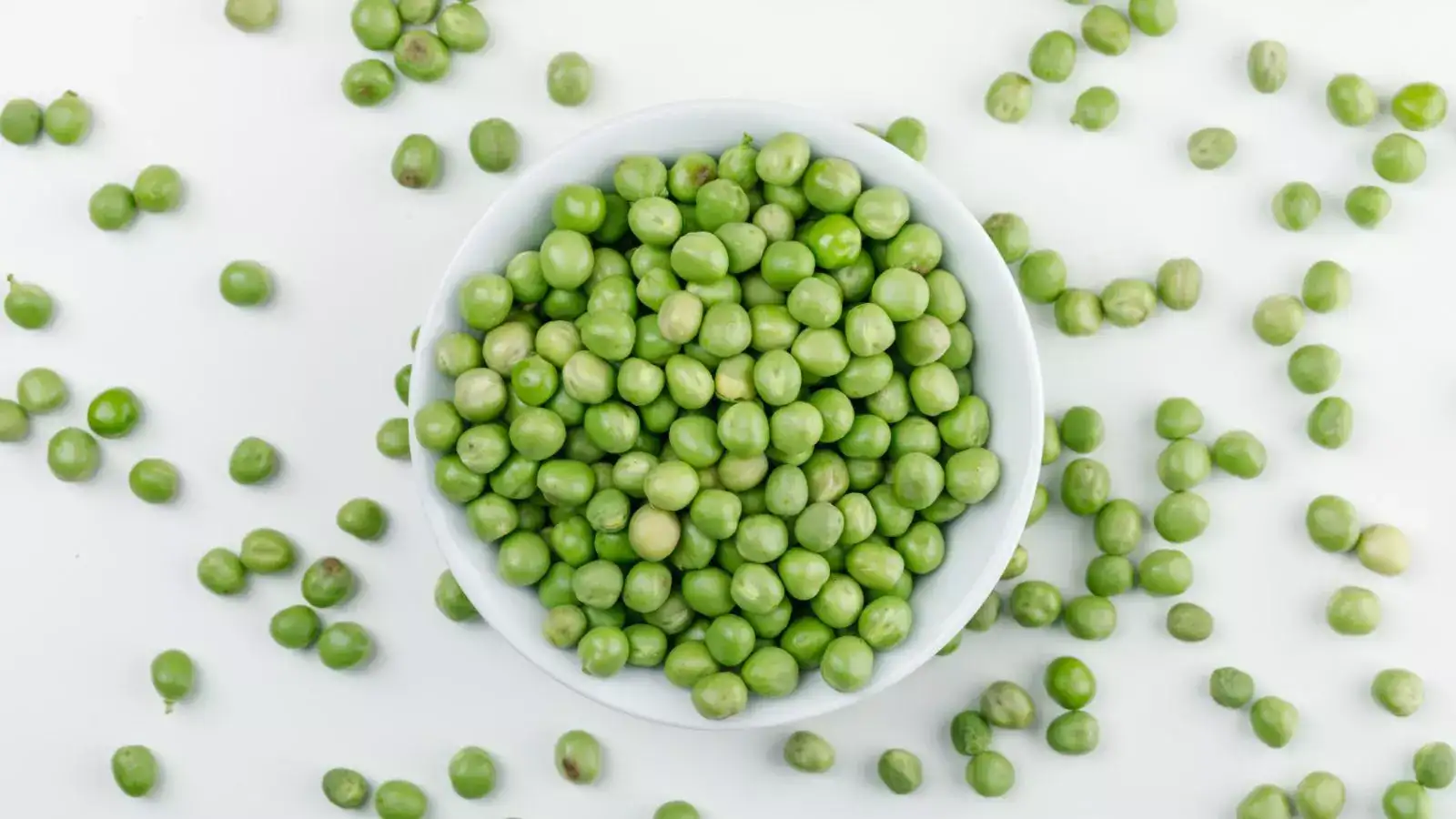
Step 1: Opting for the Right Variety
Choosing the appropriate pea variety is crucial for a successful harvest. The three main types are shelling peas (or garden peas), snow peas, and snap peas. Shelling peas are picked when the peas inside the pods have fully developed, while snow peas are harvested when the pods are flat and the peas are just forming.
Step 2: Soil Preparation
Peas thrive in well-drained soil with a pH level between 6 and 7. Prepare the soil by removing any weeds or debris and loosen it with a garden fork or tiller. Enhance soil fertility and drainage by incorporating organic matter such as compost or well-rotted manure. Avoid using fresh manure to prevent excessive foliage growth instead of focusing on pea pod development.
Step 3: Planting
Sow pea seeds in early spring or late fall, depending on your climate. Plant the seeds directly into prepared soil, spacing them 1-2 inches apart and 1 inch deep. Create rows with 18-24 inches between them for adequate air circulation. For tall varieties, set up trellises or stakes to support the plants as they grow.
Step 4: Watering and Care
Keep the soil consistently moist without waterlogging. Water pea plants regularly, especially during dry spells, providing about 1 inch of water per week. Avoid overhead watering to prevent fungal diseases. Mulch around the plants to conserve moisture and suppress weed growth.
Step 5: Providing Support
As pea plants grow, provide support to prevent them from toppling over. Install trellises, stakes, or netting along the rows for climbing varieties. This helps keep the plants upright and facilitates the tendrils to cling and climb.
Step 6: Harvesting
Harvesting timing varies by pea type. Shelling peas are ready when pods are plump, and peas inside are full-sized. Snow peas are harvested with flat pods and barely formed peas, while snap peas are picked with plump pods and fully formed yet tender peas. Regular harvesting encourages more pod production.
Step 7: Storing and Enjoying
Freshly harvested peas are best enjoyed immediately for their sweetness and tenderness. For excess peas, store them in the refrigerator for a few days. To preserve them longer, blanch quickly in boiling water, cool in ice water, and then freeze to maintain their flavor and texture.
Cultivating, nurturing, and harvesting your peas at home is a fulfilling experience, offering the pleasure of savoring the freshness and flavor of this versatile vegetable.
Step 1: Opting for the Right Variety
Choosing the appropriate pea variety is crucial for a successful harvest. The three main types are shelling peas (or garden peas), snow peas, and snap peas. Shelling peas are picked when the peas inside the pods have fully developed, while snow peas are harvested when the pods are flat and the peas are just forming.
Step 2: Soil Preparation
Peas thrive in well-drained soil with a pH level between 6 and 7. Prepare the soil by removing any weeds or debris and loosen it with a garden fork or tiller. Enhance soil fertility and drainage by incorporating organic matter such as compost or well-rotted manure. Avoid using fresh manure to prevent excessive foliage growth instead of focusing on pea pod development.
You may also like
- Oats and green vegetables help in weight loss by controlling appetite
- What Happens When You Eat 1 Pomegranate Daily, 6 Powerful Health Benefits
- Taking Medicines After Drinking Alcohol, Top Doctors Warn of Deadly Liver and Heart Risks
- Can Protein Shakes Alone Build Muscle, Bust Superfood Myths and Expensive Fitness Fads
- This country is paying people to read books for 15 minutes: Here's how the scheme works and why it was launched
Step 3: Planting
Sow pea seeds in early spring or late fall, depending on your climate. Plant the seeds directly into prepared soil, spacing them 1-2 inches apart and 1 inch deep. Create rows with 18-24 inches between them for adequate air circulation. For tall varieties, set up trellises or stakes to support the plants as they grow.
Step 4: Watering and Care
Keep the soil consistently moist without waterlogging. Water pea plants regularly, especially during dry spells, providing about 1 inch of water per week. Avoid overhead watering to prevent fungal diseases. Mulch around the plants to conserve moisture and suppress weed growth.
Step 5: Providing Support
As pea plants grow, provide support to prevent them from toppling over. Install trellises, stakes, or netting along the rows for climbing varieties. This helps keep the plants upright and facilitates the tendrils to cling and climb.
Step 6: Harvesting
Harvesting timing varies by pea type. Shelling peas are ready when pods are plump, and peas inside are full-sized. Snow peas are harvested with flat pods and barely formed peas, while snap peas are picked with plump pods and fully formed yet tender peas. Regular harvesting encourages more pod production.
Step 7: Storing and Enjoying
Freshly harvested peas are best enjoyed immediately for their sweetness and tenderness. For excess peas, store them in the refrigerator for a few days. To preserve them longer, blanch quickly in boiling water, cool in ice water, and then freeze to maintain their flavor and texture.
Cultivating, nurturing, and harvesting your peas at home is a fulfilling experience, offering the pleasure of savoring the freshness and flavor of this versatile vegetable.






Loving Newspoint? Download the app now
