
The Story Behind India's Famous Kachori Varieties and Their Regional Flavours

Kachori is one of India's most recognisable traditional snacks, loved for its crisp outer covering and flavourful fillings. Found in street markets, sweet shops and home kitchens, this deep-fried delicacy has developed several regional variations over time. Some versions feature spicy lentils, while others are filled with onions, peas or sweet ingredients. Although its exact origins are difficult to trace to a single place, kachori has become an important part of India's diverse food culture. From Rajasthan's famous pyaaz kachori to the Bengali version enjoyed during festivals, every variety has its own distinctive taste and story.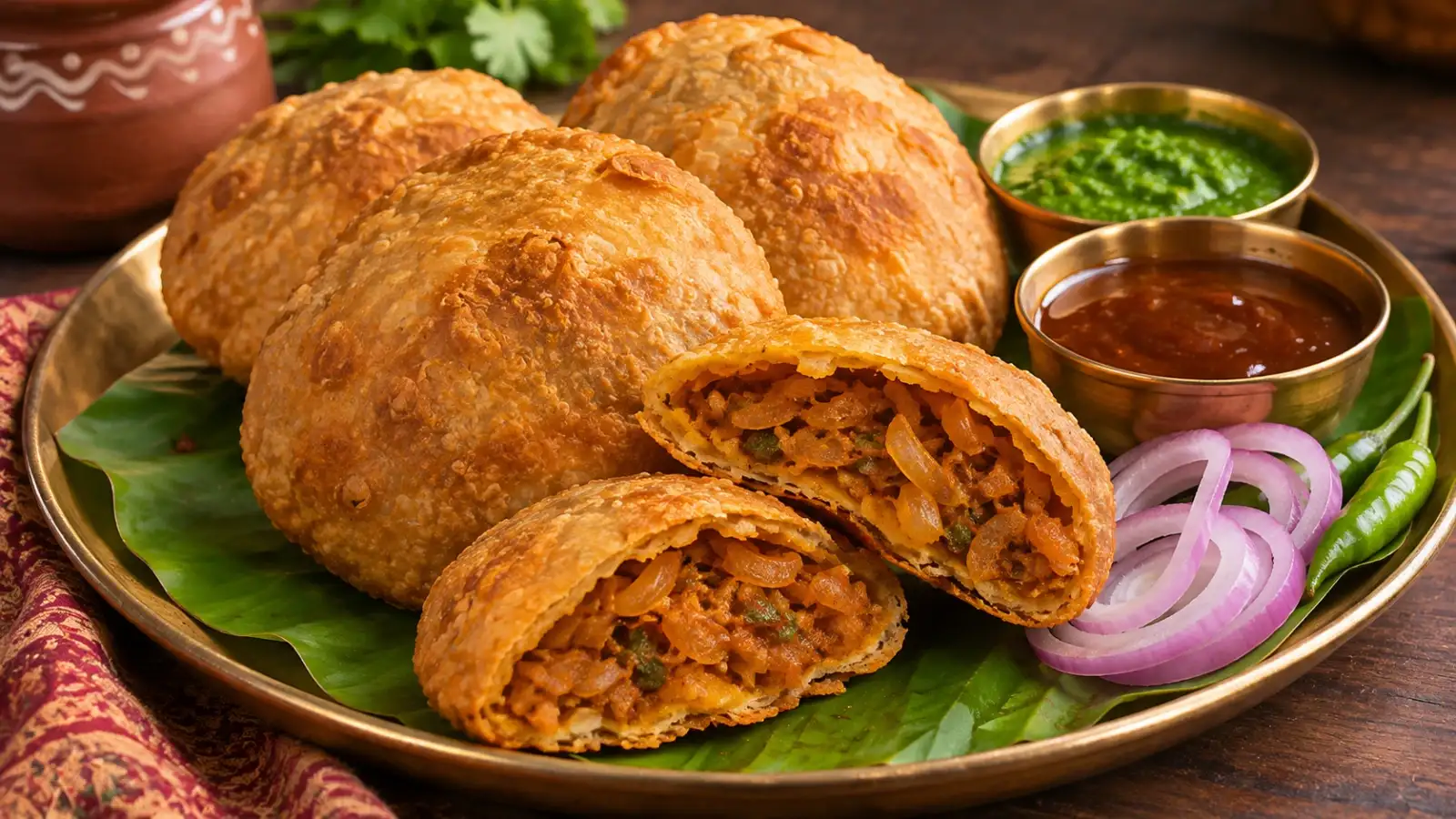
It features a crisp, flaky covering filled with a spicy mixture of onions, gram flour and traditional Indian spices. The filling often includes fennel seeds, coriander powder, red chilli and amchur, which give it a distinctive flavour.
Pyaaz kachori is commonly enjoyed with tamarind chutney or mint chutney. Its popularity has also spread beyond Rajasthan, making it a familiar item in snack shops across India.
The lentils are soaked or partially cooked, then combined with spices such as cumin, coriander, fennel and asafoetida. This mixture is enclosed in a dough covering and deep-fried until crisp.
In Rajasthan and parts of Uttar Pradesh, dal kachori is often served with spicy potato curry, chutneys or yoghurt. It is also a popular choice during festive occasions and family gatherings.
Kota-style kachori is generally crisp on the outside and filled with a strongly seasoned mixture. It is often accompanied by tangy chutneys or spicy potato preparations.
Over time, the snack has become closely associated with the city's local food identity, attracting visitors who enjoy exploring regional street food.
The stuffed kachori is fried until golden and then dipped in sugar syrup. Some versions include cardamom, saffron, almonds and pistachios, creating a rich dessert with contrasting textures.
Mawa kachori is commonly enjoyed during festivals, celebrations and special occasions. It also demonstrates how a traditional savoury snack can develop into a regional sweet speciality.
Its filling is generally prepared using ground urad dal flavoured with asafoetida, cumin, ginger and other spices. The dough is rolled into small rounds, stuffed and fried until puffed and golden.
Bengali hing kachori is often served with aloor dum, a mildly spicy potato curry. The combination is a favourite in many traditional sweet shops and breakfast eateries.
It is commonly filled with spiced moong dal or urad dal, although regional recipes can include other ingredients.
The preparation requires patience because the dough must be kneaded and rested properly to achieve the desired texture. Khasta kachori is often served with chutneys, potato curry or yoghurt.
The peas are cooked and mashed with ginger, green chillies, cumin, coriander and other spices. The mixture is then stuffed inside dough and fried until golden.
Its slightly sweet filling balances the spices, creating a flavourful snack. Matar kachori is commonly prepared at home and served with green chutney or spicy potato curry.
It features a large, hollow and crispy shell filled with ingredients such as boiled potatoes, chickpeas, yoghurt, chutneys, spices and crunchy toppings. Some versions also include small pieces of papdi or boondi.
The combination of sweet, tangy, spicy and crunchy flavours makes it a popular choice at chaat shops. Although its name includes kachori, its preparation and serving style are quite different from traditional stuffed varieties.
India's kachori varieties reflect the country's regional food traditions and love for flavourful snacks. From the spicy onion filling of Rajasthan's pyaaz kachori to Bengal's hing kachori and the rich sweetness of mawa kachori, every version has its own identity. These snacks have travelled beyond their places of origin and become popular across the country. Their continued presence in street markets, sweet shops and home kitchens shows how traditional recipes remain an important part of India's food culture.
1. Rajasthani Pyaaz Kachori : A Famous Onion-Filled Snack
Pyaaz kachori is among Rajasthan's most popular snack varieties, particularly associated with cities such as Jodhpur, Jaipur and Kota.It features a crisp, flaky covering filled with a spicy mixture of onions, gram flour and traditional Indian spices. The filling often includes fennel seeds, coriander powder, red chilli and amchur, which give it a distinctive flavour.
Pyaaz kachori is commonly enjoyed with tamarind chutney or mint chutney. Its popularity has also spread beyond Rajasthan, making it a familiar item in snack shops across India.
2. Dal Kachori : A Traditional Favourite Across North India
Dal kachori is a popular variety prepared with a filling of spiced lentils. Urad dal or moong dal is commonly used, although recipes differ between regions and households.The lentils are soaked or partially cooked, then combined with spices such as cumin, coriander, fennel and asafoetida. This mixture is enclosed in a dough covering and deep-fried until crisp.
In Rajasthan and parts of Uttar Pradesh, dal kachori is often served with spicy potato curry, chutneys or yoghurt. It is also a popular choice during festive occasions and family gatherings.
3. Kota Kachori: A Distinctive Rajasthani Street-Food Favourite
Kota in Rajasthan is particularly well known for its kachori culture. The city's snack shops serve several varieties, with spicy lentil fillings being especially popular.Kota-style kachori is generally crisp on the outside and filled with a strongly seasoned mixture. It is often accompanied by tangy chutneys or spicy potato preparations.
Over time, the snack has become closely associated with the city's local food identity, attracting visitors who enjoy exploring regional street food.
4. Mawa Kachori : Rajasthan's Sweet and Rich Creation
Unlike savoury varieties, mawa kachori offers a sweet alternative. It is particularly associated with Jodhpur and is prepared using a rich filling of mawa, nuts and aromatic ingredients.The stuffed kachori is fried until golden and then dipped in sugar syrup. Some versions include cardamom, saffron, almonds and pistachios, creating a rich dessert with contrasting textures.
Mawa kachori is commonly enjoyed during festivals, celebrations and special occasions. It also demonstrates how a traditional savoury snack can develop into a regional sweet speciality.
5. Bengali Hing Kachori : A Popular Breakfast Treat
Hing kachori is a well-known Bengali snack, especially popular as a breakfast option in Kolkata and other parts of West Bengal.Its filling is generally prepared using ground urad dal flavoured with asafoetida, cumin, ginger and other spices. The dough is rolled into small rounds, stuffed and fried until puffed and golden.
Bengali hing kachori is often served with aloor dum, a mildly spicy potato curry. The combination is a favourite in many traditional sweet shops and breakfast eateries.
6. Khasta Kachori : Known for Its Flaky Texture
Khasta kachori is valued for its crisp, layered and flaky outer covering. The word 'khasta' refers to its crunchy texture, which comes from the way the dough is prepared and fried.It is commonly filled with spiced moong dal or urad dal, although regional recipes can include other ingredients.
The preparation requires patience because the dough must be kneaded and rested properly to achieve the desired texture. Khasta kachori is often served with chutneys, potato curry or yoghurt.
7. Matar Kachori : A Winter Favourite
Matar kachori is made with a filling of green peas, making it particularly popular during the winter season when fresh peas are widely available in many parts of India.The peas are cooked and mashed with ginger, green chillies, cumin, coriander and other spices. The mixture is then stuffed inside dough and fried until golden.
Its slightly sweet filling balances the spices, creating a flavourful snack. Matar kachori is commonly prepared at home and served with green chutney or spicy potato curry.
8. Raj Kachori: A Larger Chaat-Style Creation
Raj kachori is a popular North Indian chaat preparation that differs from the smaller stuffed kachoris.It features a large, hollow and crispy shell filled with ingredients such as boiled potatoes, chickpeas, yoghurt, chutneys, spices and crunchy toppings. Some versions also include small pieces of papdi or boondi.
The combination of sweet, tangy, spicy and crunchy flavours makes it a popular choice at chaat shops. Although its name includes kachori, its preparation and serving style are quite different from traditional stuffed varieties.
India's kachori varieties reflect the country's regional food traditions and love for flavourful snacks. From the spicy onion filling of Rajasthan's pyaaz kachori to Bengal's hing kachori and the rich sweetness of mawa kachori, every version has its own identity. These snacks have travelled beyond their places of origin and become popular across the country. Their continued presence in street markets, sweet shops and home kitchens shows how traditional recipes remain an important part of India's food culture.
Next Story