
Street Foods To Avoid During Monsoon To Reduce The Risk Of Stomach Infections

The monsoon often brings a strong craving for hot, spicy and freshly fried street food. A plate of chaat, a bowl of pani puri or crispy pakoras can seem almost impossible to resist when it is raining outside. However, the rainy season can create conditions in which food and water become more vulnerable to contamination, particularly where storage and preparation practices are poor. According to food-safety experts, the main concern is not necessarily the dish itself but how ingredients are handled, stored and prepared. Being selective about where and what you eat can therefore be an important part of monsoon food safety.
Pani Puri And Water-Based Chaat
Pani puri, golgappa and other chaat dishes often contain flavoured water, chutneys and raw ingredients. If the water is contaminated or ingredients are handled improperly, there can be a greater risk of foodborne illness.During monsoon, it is sensible to be particularly cautious about street vendors where the source and handling of water are unclear. Choosing freshly prepared food from a hygienic establishment may be a safer option.
Raw Salads And Cut Fruit
Pre-cut fruit and raw salads can become problematic when they are exposed to dust, dirty water or unhygienic handling. Once cut, fruit also has greater exposed surface area than whole fruit.Food-safety specialists recommend washing produce thoroughly and, where possible, eating fruit that has been freshly cut in clean surroundings. This is especially relevant when considering street foods to avoid during monsoon .
You may also like
- Empowering Farmers Through Floriculture Training in Madhya Pradesh
- Updated WHO Guidelines: Why the 2026-27 Flu Vaccine Has Changed and Who Needs It Most
- ICMR Study Warns: Antibiotic Resistance Becomes Fatal Across Indian Hospitals
- The Hidden Dangers of Excess Weight: Does Obesity Actually Shorten Your Lifespan
- Decoding Fatty Liver: 5 Subtle Body Signals You Should Never Ignore According to Health Experts
Chutneys And Uncovered Foods
Chutneys, sauces and other accompaniments may sit at room temperature for extended periods at busy food stalls. Uncovered snacks can also be exposed to insects, moisture and environmental contaminants.This does not mean every roadside food is unsafe, but hygiene conditions matter considerably. Look for vendors who keep food covered and maintain clean preparation areas.
Reheated And Poorly Stored Foods
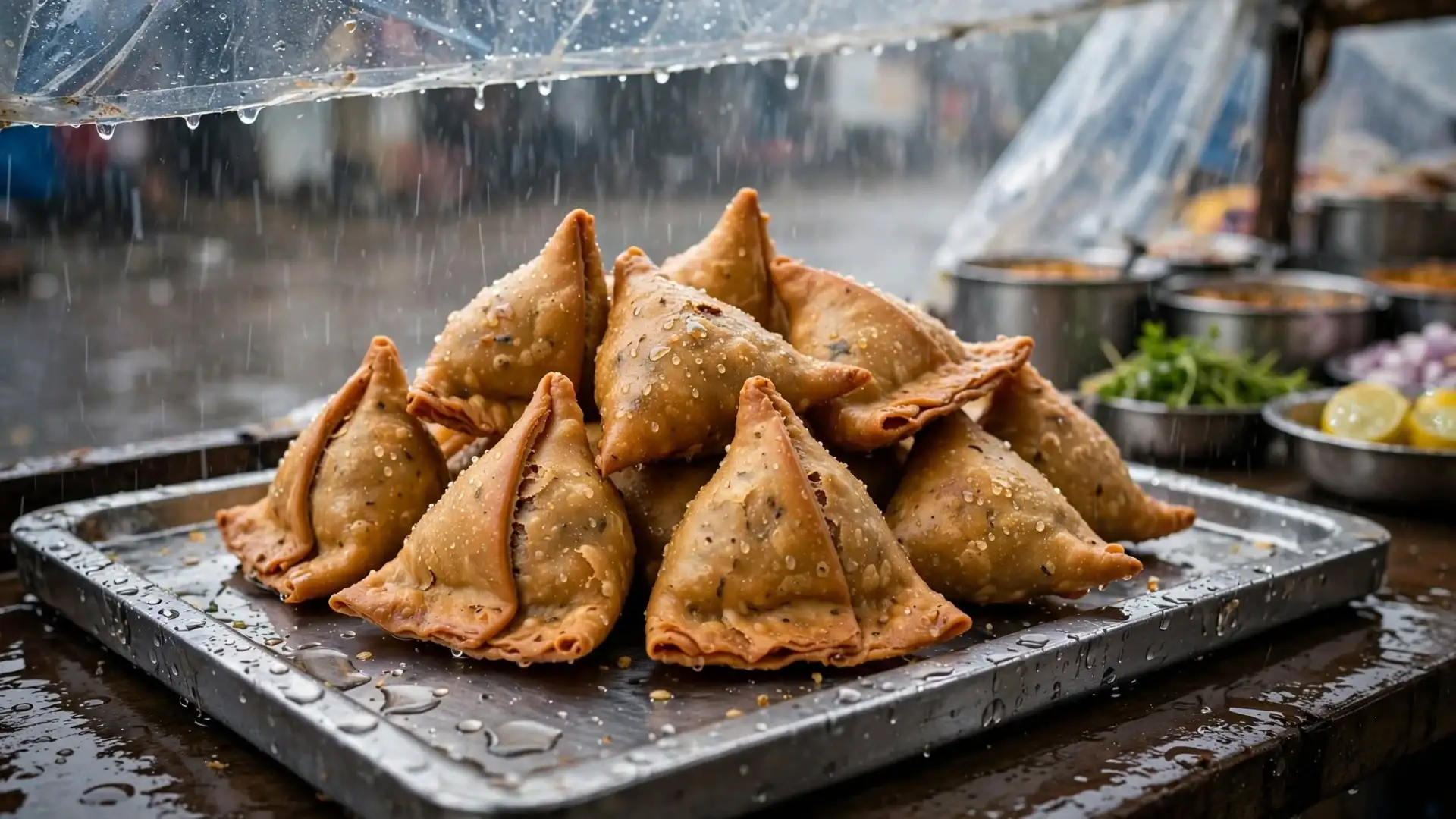
Fried snacks such as samosas, kachoris and other savoury items are best eaten when freshly prepared. Food that has been sitting out for long periods or repeatedly reheated may carry a higher food-safety risk if it has not been stored correctly.According to experts, proper temperature control and safe food handling are key to reducing bacterial growth.
Choose Wisely During The Rainy Season
You do not necessarily have to give up every favourite snack during the monsoon. Instead, pay attention to cleanliness, freshness and how food is stored.Avoid stalls where food is uncovered, water appears questionable or preparation areas look unhygienic. If you develop persistent vomiting, diarrhoea, fever or signs of dehydration after eating, seek medical advice promptly. Simple precautions can help make monsoon eating safer without taking all the fun out of rainy-day cravings.
Image Courtesy: Meta AI






Loving Newspoint? Download the app now
