
Struggling With Hair Fall? These Everyday Foods Could Be Secretly Damaging Your Hair Health

Hair fall has become one of the most common beauty and wellness concerns among people of all ages. While occasional hair shedding is normal, excessive hair fall can feel frustrating and emotionally stressful. Many people immediately blame shampoos, weather changes, pollution, or styling products when they notice thinning hair or increased hair breakage. However, diet is another important factor that is often overlooked. What we eat affects the body in multiple ways, including hair growth, scalp condition, and overall hair strength. Certain foods, especially when consumed regularly in large amounts, may contribute to nutritional imbalances, inflammation, or poor scalp health that can indirectly influence hair fall. Paying closer attention to everyday eating habits may therefore help support healthier and stronger hair over time.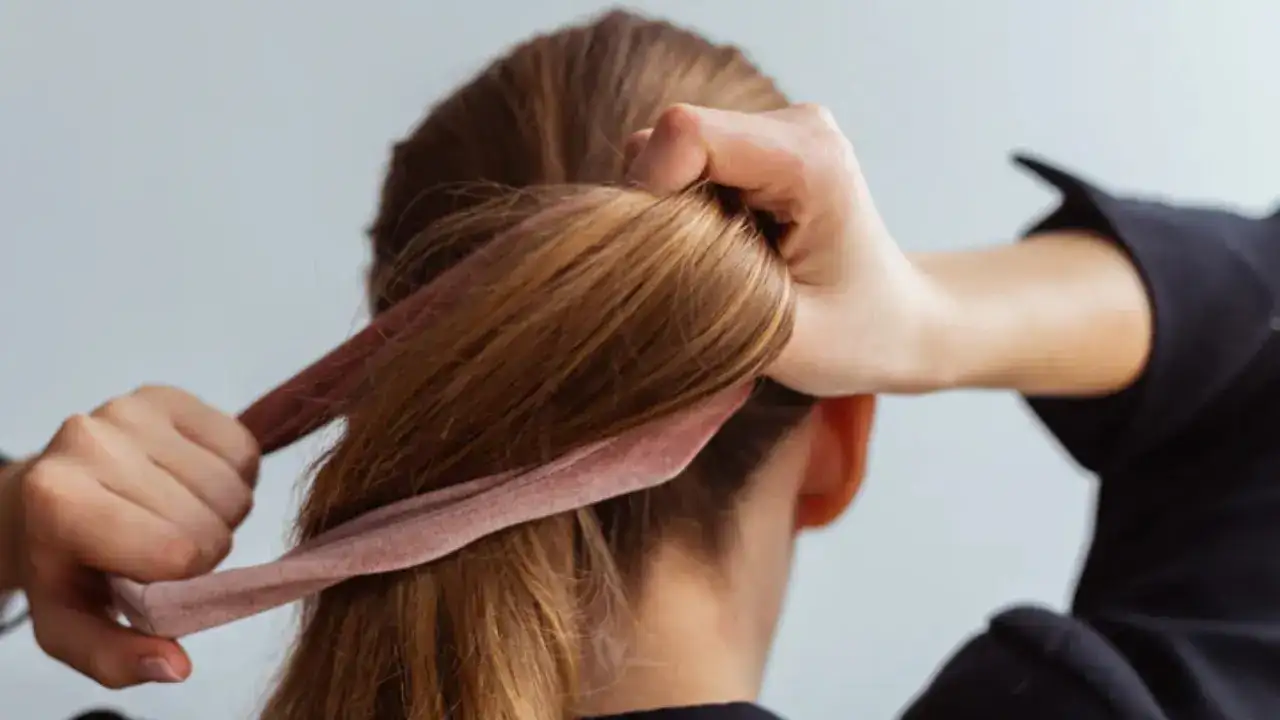
When the body lacks important nutrients or regularly consumes heavily processed foods with low nutritional value, hair health may suffer gradually. Poor dietary patterns can affect the hair growth cycle and may lead to increased shedding or weaker strands over time.
A healthy hair diet is therefore not just about adding beneficial foods but also about understanding which eating habits may negatively impact the body and scalp.
Large amounts of refined sugar can contribute to inflammation and sudden spikes in blood sugar levels. Over time, this may affect hormone balance and overall wellness, which can sometimes influence hair growth patterns.
Sugary snacks, desserts, sweetened beverages, and heavily processed breakfast foods are common examples of products that people often consume in excess without realising their impact on general health.
Reducing excessive sugar intake and focusing on balanced meals may support healthier body functions overall, including better hair wellness.
At the same time, they may provide limited amounts of important nutrients required for healthy hair growth. Diets heavily dependent on processed foods can sometimes lead to deficiencies in iron, protein, zinc, and vitamins that support hair strength and scalp health.
People searching for ways to reduce hair fall naturally may benefit from replacing heavily processed meals with more nutrient-rich options such as vegetables, fruits, pulses, nuts, and protein-rich foods.
Frequent intake of oily fast foods may also be associated with poor nutritional balance when healthier foods are regularly ignored. Maintaining moderation is important rather than eliminating favourite foods completely.
Balanced eating patterns generally support healthier body functions compared to diets dominated by heavily fried items.
While rapid dieting may show short-term weight changes, it can sometimes deprive the body of nutrients needed for healthy hair growth. Hair follicles are sensitive to nutritional deficiencies, and sudden dietary imbalance may increase temporary hair shedding.
Protein is particularly important because hair is primarily made of keratin, a type of protein. Very low-protein diets may therefore negatively affect hair quality over time.
Healthy and sustainable eating habits are usually more beneficial for long-term wellness than extreme dieting trends.
Since healthy hair growth depends on proper nutrition and hydration, poor dietary balance linked to heavy alcohol consumption may indirectly influence hair condition in some individuals.
Moderation and proper hydration remain important for maintaining healthy lifestyle habits and supporting overall well-being.
Replacing sugary beverages with water, fresh juices in moderation, herbal drinks, or healthier alternatives may support better hydration and overall wellness, which can also positively influence scalp and hair health.
Iron, biotin, zinc, vitamin D, and healthy fats are commonly associated with maintaining healthy hair growth. Eating balanced meals regularly and staying hydrated can also contribute positively to scalp condition and overall body function.
Good sleep, stress management, and gentle hair care practices also play important roles alongside nutrition.
Hair fall is often influenced by multiple factors, including genetics, stress, hormones, lifestyle habits, and nutrition. While no single food directly causes severe hair loss in every individual, consistently poor dietary choices may negatively affect hair health over time. Understanding how processed foods, excessive sugar, unhealthy fats, and restrictive diets impact the body can help people make more balanced choices. Supporting healthy hair growth is usually about maintaining overall wellness rather than relying on quick fixes. A nutritious and balanced lifestyle may gradually contribute to healthier, stronger, and more resilient hair in the long run.
Why Diet Matters For Hair Health
Hair follicles require a steady supply of nutrients to function properly. Proteins, vitamins, minerals, healthy fats, and antioxidants all contribute to maintaining healthy hair growth and scalp condition.When the body lacks important nutrients or regularly consumes heavily processed foods with low nutritional value, hair health may suffer gradually. Poor dietary patterns can affect the hair growth cycle and may lead to increased shedding or weaker strands over time.
A healthy hair diet is therefore not just about adding beneficial foods but also about understanding which eating habits may negatively impact the body and scalp.
Excess Sugar May Affect Hair Health
Highly sugary foods and drinks are widely associated with several health concerns, and excessive sugar intake may also influence hair health indirectly.Large amounts of refined sugar can contribute to inflammation and sudden spikes in blood sugar levels. Over time, this may affect hormone balance and overall wellness, which can sometimes influence hair growth patterns.
Sugary snacks, desserts, sweetened beverages, and heavily processed breakfast foods are common examples of products that people often consume in excess without realising their impact on general health.
Reducing excessive sugar intake and focusing on balanced meals may support healthier body functions overall, including better hair wellness.
Highly Processed Foods May Lack Essential Nutrients
Fast food, packaged snacks, instant meals, and processed items are often convenient, but many of them contain high levels of unhealthy fats, sodium, additives, and refined carbohydrates.At the same time, they may provide limited amounts of important nutrients required for healthy hair growth. Diets heavily dependent on processed foods can sometimes lead to deficiencies in iron, protein, zinc, and vitamins that support hair strength and scalp health.
People searching for ways to reduce hair fall naturally may benefit from replacing heavily processed meals with more nutrient-rich options such as vegetables, fruits, pulses, nuts, and protein-rich foods.
Excessive Intake Of Fried Foods
Deep-fried foods are popular comfort meals, but excessive consumption may affect overall wellness and scalp condition. Foods high in unhealthy fats may increase oil production in some individuals, which can contribute to scalp discomfort and poor hair condition.Frequent intake of oily fast foods may also be associated with poor nutritional balance when healthier foods are regularly ignored. Maintaining moderation is important rather than eliminating favourite foods completely.
Balanced eating patterns generally support healthier body functions compared to diets dominated by heavily fried items.
Extremely Restrictive Diets Can Trigger Hair Fall
Many people trying to lose weight quickly adopt extremely restrictive eating plans that eliminate major food groups or drastically reduce calorie intake.While rapid dieting may show short-term weight changes, it can sometimes deprive the body of nutrients needed for healthy hair growth. Hair follicles are sensitive to nutritional deficiencies, and sudden dietary imbalance may increase temporary hair shedding.
Protein is particularly important because hair is primarily made of keratin, a type of protein. Very low-protein diets may therefore negatively affect hair quality over time.
Healthy and sustainable eating habits are usually more beneficial for long-term wellness than extreme dieting trends.
Excess Alcohol Consumption May Affect Nutrient Balance
Excessive alcohol intake can affect hydration and may interfere with the absorption of certain nutrients important for overall health.You may also like
- Which Indian States Offer the Highest DA to Employees, and Which Offer the Lowest? Here's the Full Breakdown
- FD Claim: How to Receive FD Proceeds Without a Nominee or Will? Learn the Complete Legal Process for Claiming Funds from the Bank
- Smart Financial Tips: Single Women—Master These Essential Financial Tips to Reduce Future Worries and Boost Your Savings..
- “I want her to finally…" We asked 10 people what they wished most for their mothers, and the answers were deeply emotional
- Eliminating undernutrition could prevent up to 2.3 million TB cases globally: Study
Since healthy hair growth depends on proper nutrition and hydration, poor dietary balance linked to heavy alcohol consumption may indirectly influence hair condition in some individuals.
Moderation and proper hydration remain important for maintaining healthy lifestyle habits and supporting overall well-being.
Soft Drinks And Highly Sweetened Beverages
Carbonated soft drinks and artificially sweetened beverages are often consumed daily without much attention to their nutritional value. Many of these drinks contain large amounts of sugar while offering little nutritional benefit.Replacing sugary beverages with water, fresh juices in moderation, herbal drinks, or healthier alternatives may support better hydration and overall wellness, which can also positively influence scalp and hair health.
Building A More Hair-Friendly Diet
Instead of focusing only on foods causing hair loss , it is equally important to include foods that nourish the body properly. Protein-rich foods, leafy vegetables, fruits, nuts, seeds, legumes, eggs, and omega-3-rich ingredients may help support stronger hair health.Iron, biotin, zinc, vitamin D, and healthy fats are commonly associated with maintaining healthy hair growth. Eating balanced meals regularly and staying hydrated can also contribute positively to scalp condition and overall body function.
Good sleep, stress management, and gentle hair care practices also play important roles alongside nutrition.
Hair fall is often influenced by multiple factors, including genetics, stress, hormones, lifestyle habits, and nutrition. While no single food directly causes severe hair loss in every individual, consistently poor dietary choices may negatively affect hair health over time. Understanding how processed foods, excessive sugar, unhealthy fats, and restrictive diets impact the body can help people make more balanced choices. Supporting healthy hair growth is usually about maintaining overall wellness rather than relying on quick fixes. A nutritious and balanced lifestyle may gradually contribute to healthier, stronger, and more resilient hair in the long run.






More from our partners


Loving Newspoint? Download the app now
