
How to Set Up a Study Desk in a Small Bedroom or Living Room

Not every home has a separate room for studying or working. In apartments and compact houses, the dining table, bedroom or living room may need to serve several purposes throughout the day.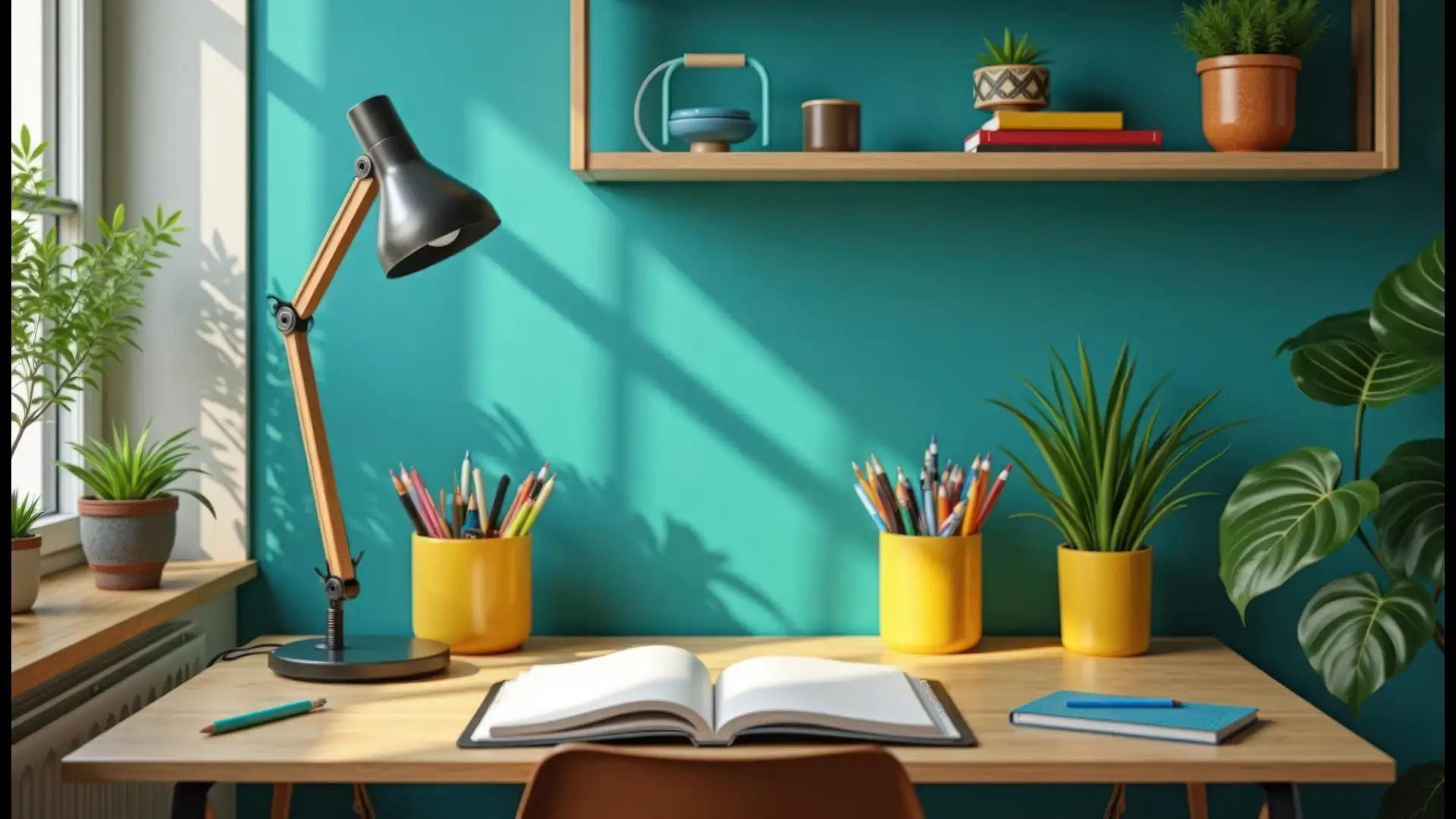
A dedicated study corner can make these activities easier without requiring major changes to the house. The aim is to create a comfortable place where books, stationery and work essentials remain organised and easy to reach.
Even a small section of a wall can become a useful workspace when planned carefully.
A section beside a bedroom window, an unused wall in the living room or a quiet corner near a bookshelf can work well.
If the study space is intended for a child, choose a location where an adult can supervise when necessary. For remote work, consider whether the area offers enough privacy for calls and focused tasks.
Avoid placing the desk directly in a narrow passage where people may frequently bump into the chair.
A wall-mounted folding desk can be useful when floor space is limited. Another option is a narrow desk with drawers or shelves above it.
Choose a chair that allows the user to sit comfortably with feet supported and the work surface at a suitable height. A dining chair may be used temporarily, but it should not be unstable or too low for the desk.
For a right-handed person, placing the light source on the left can help reduce shadows from the writing hand. Reverse the arrangement for a left-handed person.
Choose a lamp that provides sufficient light without shining directly into the eyes or reflecting strongly from a screen.
Use small containers for pens, pencils, scissors and other stationery. Keep notebooks and reference books together so that they are easy to find.
A tray or shallow box can hold items that need to be moved when the desk is used for another activity.
A bookshelf, narrow open rack, floor mat or different wall colour can create a sense of separation without blocking the room.
Keep the design simple. Too many decorative objects can reduce the available work surface and make the corner difficult to maintain.
Use cable clips or a cable organiser to prevent wires from spreading across the floor. Keep charging equipment away from areas where drinks may be spilled.
Do not overload electrical sockets or use damaged extension boards. Arrange electrical equipment so that plugs can be accessed without moving heavy furniture.
For children, a simple timetable or weekly task board can help keep schoolwork organised. For adults, a notebook or small planner can be used to list important tasks.
A useful study corner does not need expensive furniture or elaborate decoration. With thoughtful placement, comfortable seating and organised storage, a small unused area can become one of the most practical parts of the home.
A dedicated study corner can make these activities easier without requiring major changes to the house. The aim is to create a comfortable place where books, stationery and work essentials remain organised and easy to reach.
Even a small section of a wall can become a useful workspace when planned carefully.
Find the right location
Start by observing how different areas of your home are used. Look for a corner that receives sufficient natural light and is away from the busiest movement areas.A section beside a bedroom window, an unused wall in the living room or a quiet corner near a bookshelf can work well.
If the study space is intended for a child, choose a location where an adult can supervise when necessary. For remote work, consider whether the area offers enough privacy for calls and focused tasks.
Avoid placing the desk directly in a narrow passage where people may frequently bump into the chair.
Choose furniture that fits
Measure the available space before buying a desk. A compact writing table may be enough for notebooks and a laptop, while a larger work surface may be needed for craft activities or multiple books.A wall-mounted folding desk can be useful when floor space is limited. Another option is a narrow desk with drawers or shelves above it.
Choose a chair that allows the user to sit comfortably with feet supported and the work surface at a suitable height. A dining chair may be used temporarily, but it should not be unstable or too low for the desk.
Make the most of natural light
Position the desk near a window if possible. Natural light can make the area feel more inviting, while a suitable desk lamp is useful when working in the evening.For a right-handed person, placing the light source on the left can help reduce shadows from the writing hand. Reverse the arrangement for a left-handed person.
Choose a lamp that provides sufficient light without shining directly into the eyes or reflecting strongly from a screen.
Use vertical storage
When floor space is limited, make use of the wall above the desk. Floating shelves, wall organisers and pegboards can hold frequently used supplies without taking up the work surface.Use small containers for pens, pencils, scissors and other stationery. Keep notebooks and reference books together so that they are easy to find.
A tray or shallow box can hold items that need to be moved when the desk is used for another activity.
Create a visual boundary
If the study corner is part of a living room or bedroom, use a simple visual divider to distinguish it from the rest of the space.A bookshelf, narrow open rack, floor mat or different wall colour can create a sense of separation without blocking the room.
Keep the design simple. Too many decorative objects can reduce the available work surface and make the corner difficult to maintain.
You may also like
- No official charges on UPI, yet extra fees are being demanded from vendors – Survey
- QR Code Generation: Can you create a QR code at home, and what technology is used for it?
- Beyond Ramayana: India could have its own cinematic universe
- Michael Jackson made his children wear masks and cover their faces in public: How was this unusual choice a surprising parenting decision
- Dr Shriram Nene: Health Check: Dr. Shriram Nene Gives Practical Wellness Advice
Organise cables and charging points
If the workspace includes a laptop, monitor or charging equipment, plan the cable arrangement before placing the desk.Use cable clips or a cable organiser to prevent wires from spreading across the floor. Keep charging equipment away from areas where drinks may be spilled.
Do not overload electrical sockets or use damaged extension boards. Arrange electrical equipment so that plugs can be accessed without moving heavy furniture.
Keep the space ready for daily use
At the end of each day, return stationery, books and chargers to their designated places. Remove cups, food wrappers and unnecessary papers from the desk.For children, a simple timetable or weekly task board can help keep schoolwork organised. For adults, a notebook or small planner can be used to list important tasks.
A useful study corner does not need expensive furniture or elaborate decoration. With thoughtful placement, comfortable seating and organised storage, a small unused area can become one of the most practical parts of the home.






Loving Newspoint? Download the app now
