
Surprising But True: Fighter Jets Grounded in These 5 Countries Due to No Pilots

Fighter jets are often hailed as the pride of a nation’s military. Sleek, fast, and capable of unleashing destruction with surgical precision, these machines are symbols of air superiority and national defense. But what happens when a country owns these jets-but has no one to fly them?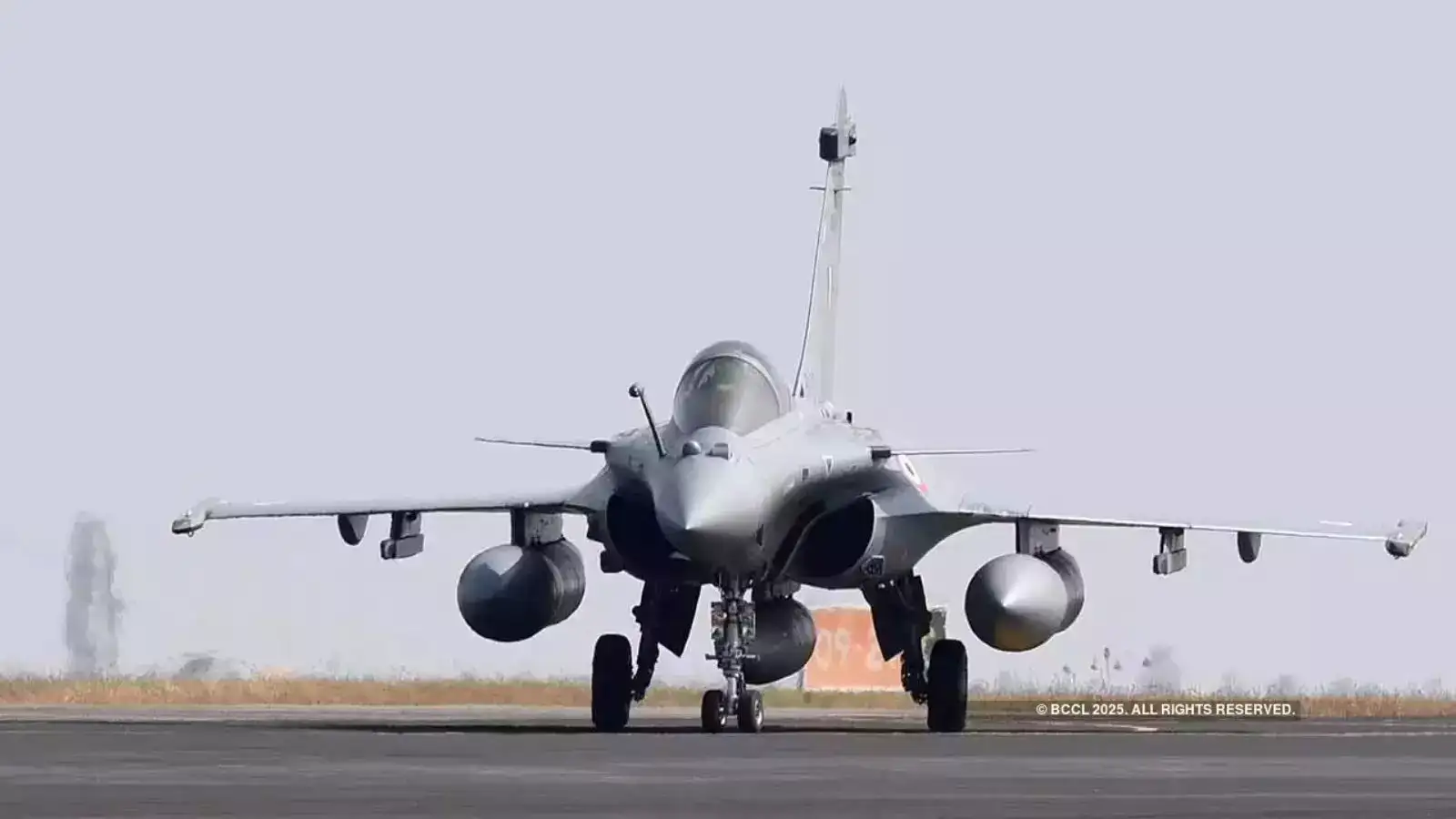
Believe it or not, several nations around the world are facing this very situation. Despite having advanced fighter aircraft in their arsenals, they lack the most crucial piece of the puzzle: trained pilots. From war-torn regions to budget-strapped governments, various factors have left these multi-million-dollar machines grounded.
Here are five such countries where fighter jets exist-but remain stuck on the tarmac.
The key issue? There are no qualified pilots or trained personnel to operate or maintain them. Without the funding, technical knowledge, or spare parts, these jets have turned into symbolic hardware with no operational value.
2. Chad: Ambition Meets Harsh Reality
Chad made headlines in 2014 when it acquired MiG-29 fighter jets from Ukraine to bolster its air defense. But that vision never truly took off. With limited financial resources and a dire shortage of trained pilots, the jets rarely take to the skies.
Chad has occasionally hired foreign military contractors to fly the aircraft, but this stopgap measure is costly and unsustainable. Today, these jets remain largely grounded-military assets in theory, but not in practice.
3. Libya: From Powerhouse to Dysfunction
Once a military heavyweight in North Africa, Libya’s air force thrived during the Gaddafi era with a fleet that included MiG-21s, MiG-23s, and Mirage F1s. But years of internal conflict, airbase bombings, and political collapse have decimated its aerial capabilities.
Many of the country's skilled pilots are either deceased or have fled, and with training facilities destroyed, there’s no pipeline to rebuild. Fighter jets in Libya are now either decaying on airstrips or stripped down for spare parts.
4. Somalia: No Infrastructure, No Air Force
Somalia once operated Soviet-supplied MiG jets, but decades of civil unrest and political chaos have left the country without an active air force. The jets are long obsolete, and there’s no training infrastructure, maintenance regime, or aviation policy in place.
What remains of Somalia’s fighter jet program is largely historical. These aircraft are essentially grounded for good, with no signs of revival in the foreseeable future.
5. Yemen: War Has Grounded Its Wings
Yemen’s air force used to include aircraft like the Su-22 and MiG-29. But a brutal, ongoing civil war has devastated the country’s military infrastructure. Airstrips have been destroyed, and pilot training has come to a halt.
With many pilots killed or displaced, and no operational facilities left, Yemen’s once-formidable air fleet is now inactive. Despite possessing aircraft, the country has no real capability to use them in conflict.
Why Keep Fighter Jets That Can’t Fly?
It’s a valid question-why hold on to high-tech jets when you can’t even operate them? For many countries, the answer lies in optics. Fighter jets serve as powerful symbols of sovereignty, deterrence, and national pride. They’re often used in parades or as bargaining chips in diplomatic talks.
Some nations hope international aid or future stability will help them revive their air forces. Others simply keep the jets as markers of prestige, regardless of operational status.
The Hidden Cost of a Pilot
Training a fighter jet pilot is a long, expensive process. It takes up to 3 years of rigorous instruction, advanced simulators, experienced trainers, and millions of dollars. Not to mention the supporting staff, spare parts, and constant fuel supply needed for day-to-day operation.
For struggling or conflict-ridden countries, these requirements are impossible to meet. Without this investment in people and systems, even the most advanced aircraft are rendered useless.
Owning fighter jets doesn’t equal military strength. True power lies in trained personnel, robust infrastructure, and sustained investment. The grounded fleets in Afghanistan, Chad, Libya, Somalia, and Yemen remind us that military might is not about hardware alone-it’s about the ability to use it effectively.
In these five nations, jets may still gleam under the sun-but they’re silent, immobile witnesses to bigger challenges on the ground.
Believe it or not, several nations around the world are facing this very situation. Despite having advanced fighter aircraft in their arsenals, they lack the most crucial piece of the puzzle: trained pilots. From war-torn regions to budget-strapped governments, various factors have left these multi-million-dollar machines grounded.
Here are five such countries where fighter jets exist-but remain stuck on the tarmac.
1. Afghanistan: Jets Abandoned After U.S. Exit
In 2021, when U.S. troops withdrew from Afghanistan, they left behind several aircraft including A-29 Super Tucanos and Mi-17 helicopters. These jets, once flown by trained Afghan forces under American guidance, are now under Taliban control-but barely functional.The key issue? There are no qualified pilots or trained personnel to operate or maintain them. Without the funding, technical knowledge, or spare parts, these jets have turned into symbolic hardware with no operational value.
2. Chad: Ambition Meets Harsh Reality
Chad made headlines in 2014 when it acquired MiG-29 fighter jets from Ukraine to bolster its air defense. But that vision never truly took off. With limited financial resources and a dire shortage of trained pilots, the jets rarely take to the skies.Chad has occasionally hired foreign military contractors to fly the aircraft, but this stopgap measure is costly and unsustainable. Today, these jets remain largely grounded-military assets in theory, but not in practice.
3. Libya: From Powerhouse to Dysfunction
Once a military heavyweight in North Africa, Libya’s air force thrived during the Gaddafi era with a fleet that included MiG-21s, MiG-23s, and Mirage F1s. But years of internal conflict, airbase bombings, and political collapse have decimated its aerial capabilities. Many of the country's skilled pilots are either deceased or have fled, and with training facilities destroyed, there’s no pipeline to rebuild. Fighter jets in Libya are now either decaying on airstrips or stripped down for spare parts.
4. Somalia: No Infrastructure, No Air Force
Somalia once operated Soviet-supplied MiG jets, but decades of civil unrest and political chaos have left the country without an active air force. The jets are long obsolete, and there’s no training infrastructure, maintenance regime, or aviation policy in place.You may also like
- Astrological Insights: Mercury's Transit and Its Impact on Four Zodiac Signs
- Shardiya Navratri 2026: Celebrating the Arrival of Goddess Durga
- Celebrating Ganesh Chaturthi: Auspicious Dates and Rituals for Immersion
- Understanding Pitru Paksha: Ancestral Rites and Their Significance
- 6 Simple Secrets for Soft, Healthy Lips Naturally
What remains of Somalia’s fighter jet program is largely historical. These aircraft are essentially grounded for good, with no signs of revival in the foreseeable future.
5. Yemen: War Has Grounded Its Wings
Yemen’s air force used to include aircraft like the Su-22 and MiG-29. But a brutal, ongoing civil war has devastated the country’s military infrastructure. Airstrips have been destroyed, and pilot training has come to a halt. With many pilots killed or displaced, and no operational facilities left, Yemen’s once-formidable air fleet is now inactive. Despite possessing aircraft, the country has no real capability to use them in conflict.
Why Keep Fighter Jets That Can’t Fly?
It’s a valid question-why hold on to high-tech jets when you can’t even operate them? For many countries, the answer lies in optics. Fighter jets serve as powerful symbols of sovereignty, deterrence, and national pride. They’re often used in parades or as bargaining chips in diplomatic talks. Some nations hope international aid or future stability will help them revive their air forces. Others simply keep the jets as markers of prestige, regardless of operational status.
The Hidden Cost of a Pilot
Training a fighter jet pilot is a long, expensive process. It takes up to 3 years of rigorous instruction, advanced simulators, experienced trainers, and millions of dollars. Not to mention the supporting staff, spare parts, and constant fuel supply needed for day-to-day operation. For struggling or conflict-ridden countries, these requirements are impossible to meet. Without this investment in people and systems, even the most advanced aircraft are rendered useless.
Owning fighter jets doesn’t equal military strength. True power lies in trained personnel, robust infrastructure, and sustained investment. The grounded fleets in Afghanistan, Chad, Libya, Somalia, and Yemen remind us that military might is not about hardware alone-it’s about the ability to use it effectively.
In these five nations, jets may still gleam under the sun-but they’re silent, immobile witnesses to bigger challenges on the ground.






Loving Newspoint? Download the app now
