
Tanpura: How Its Strings Support Melody Without Playing the Tune

During an Indian classical music performance, listeners may notice an instrument producing a gentle, continuous sound behind the singer or solo instrumentalist. This is often the tanpura, a long-necked string instrument that provides the tonal foundation for the performance.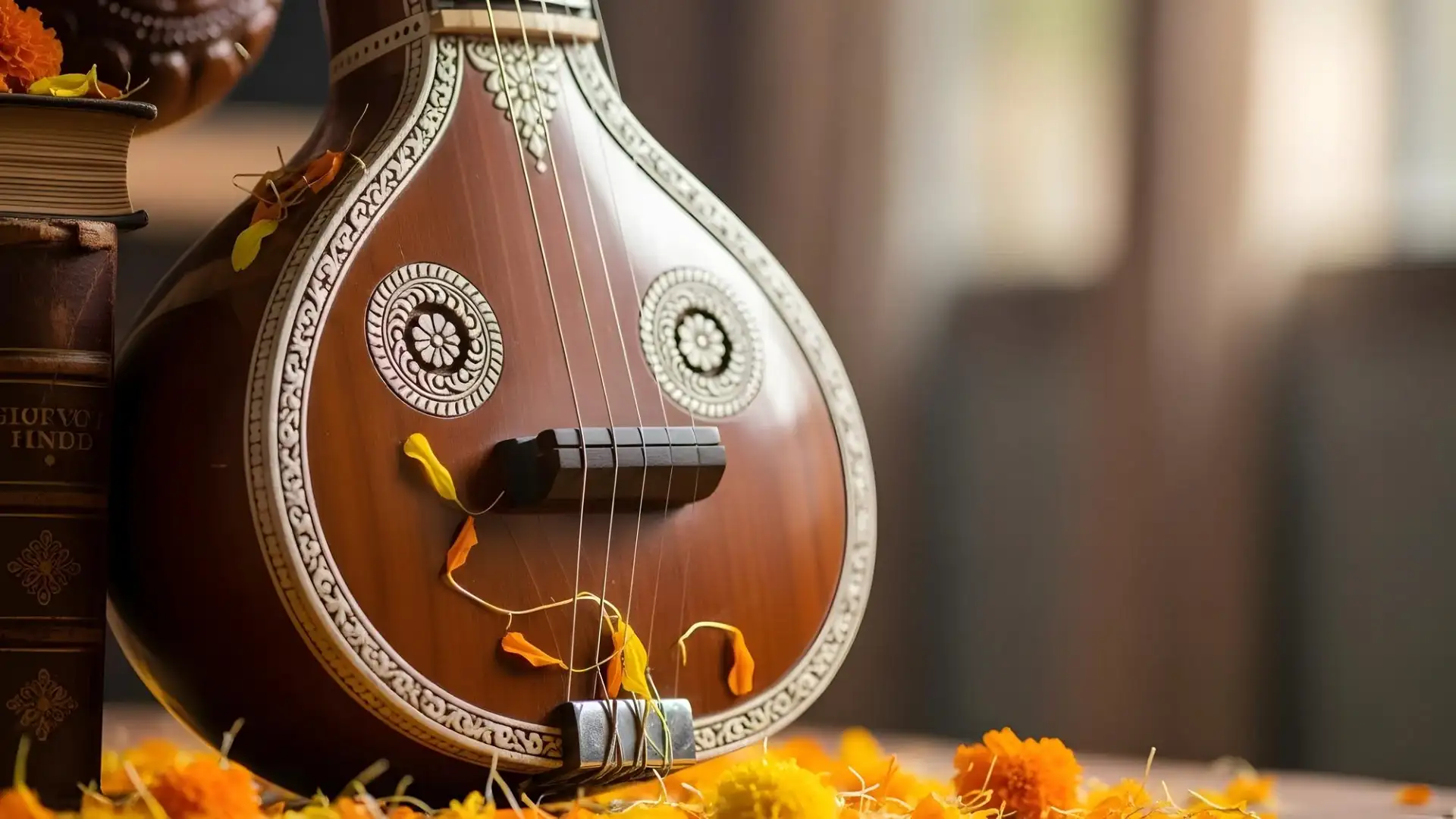
Unlike instruments that play the main melody, the tanpura is generally used to create a steady drone. Its sound continues through the performance, helping musicians maintain a reference pitch while exploring the notes and phrases of a raga.
The instrument is used in both Hindustani and Carnatic classical music, although its construction and playing traditions can vary.
The body may include a large dried gourd or a carved wooden resonator. The strings run along the neck and are plucked in a repeated sequence.
The instrument has no frets. Its strings are not pressed to produce different notes in the manner of a sitar or guitar. Instead, the open strings are tuned to suit the pitch requirements of the performer.
A player plucks the strings in a regular cycle, allowing each note to ring out. The repeated sound creates a continuous musical background rather than a changing melody.
The tuning is important because the tanpura must provide a suitable tonal reference for the performer. Its strings are adjusted before the concert or practice session.
A vocalist can listen to the drone while developing a phrase, holding a note or moving through a raga. Instrumentalists can also use it to maintain their tonal orientation.
The tanpura does not dictate the melody. Instead, it creates a stable sound environment in which the melody can unfold.
Electronic versions make it easier to maintain a consistent drone without requiring another person to play the instrument continuously. However, acoustic tanpuras remain valued for their resonance and distinctive sound.
The tanpura may appear understated beside a vocalist or soloist, but its role is fundamental. It provides the musical ground on which the performance is built.
Unlike instruments that play the main melody, the tanpura is generally used to create a steady drone. Its sound continues through the performance, helping musicians maintain a reference pitch while exploring the notes and phrases of a raga.
The instrument is used in both Hindustani and Carnatic classical music, although its construction and playing traditions can vary.
What does a tanpura look like?
A traditional tanpura has a long neck, a resonating body and a set of strings. Many familiar versions have four strings, although variations exist.The body may include a large dried gourd or a carved wooden resonator. The strings run along the neck and are plucked in a repeated sequence.
The instrument has no frets. Its strings are not pressed to produce different notes in the manner of a sitar or guitar. Instead, the open strings are tuned to suit the pitch requirements of the performer.
How does it create its distinctive sound?
The tanpura's sound comes from the vibration of its strings and the way those strings interact with the bridge. The bridge is shaped to produce a resonant, slightly shimmering tone.A player plucks the strings in a regular cycle, allowing each note to ring out. The repeated sound creates a continuous musical background rather than a changing melody.
The tuning is important because the tanpura must provide a suitable tonal reference for the performer. Its strings are adjusted before the concert or practice session.
Why is the drone important?
Indian classical music places great importance on the relationship between notes and the chosen tonic, or base pitch. The tanpura makes this reference audible throughout the performance.A vocalist can listen to the drone while developing a phrase, holding a note or moving through a raga. Instrumentalists can also use it to maintain their tonal orientation.
The tanpura does not dictate the melody. Instead, it creates a stable sound environment in which the melody can unfold.
Acoustic and electronic versions
Traditional musicians may use an acoustic tanpura, while electronic tanpuras and digital applications are also common in practice and performance.Electronic versions make it easier to maintain a consistent drone without requiring another person to play the instrument continuously. However, acoustic tanpuras remain valued for their resonance and distinctive sound.
The tanpura may appear understated beside a vocalist or soloist, but its role is fundamental. It provides the musical ground on which the performance is built.
Next Story