
Task Masking at Work: How Busywork Can Hide Poor Productivity

A full calendar, constant messages and a long list of completed minor tasks can make someone look productive. But these activities do not always translate into meaningful results. Task masking describes the gap between appearing busy and actually making progress, raising questions about how workplaces measure performance.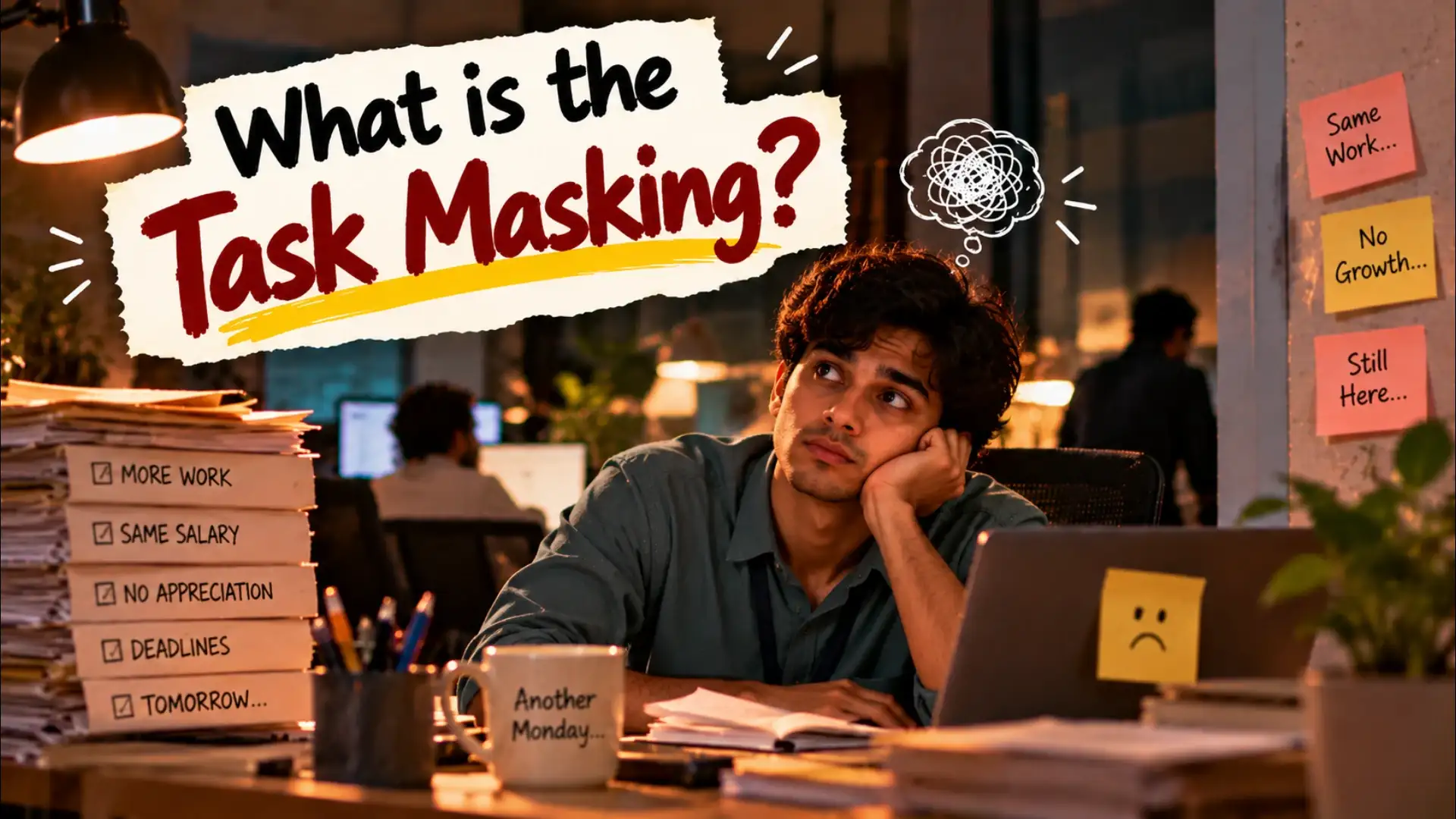
An employee might spend hours organising files, repeatedly checking messages or completing easy tasks while avoiding a more important assignment. Someone else might keep switching between applications or sending frequent updates to demonstrate that they are active.
The behaviour may be deliberate, but it can also develop from anxiety about being judged as unproductive. When employees believe that their managers value visible activity more than actual results, looking busy can start to feel like part of the job.
Remote and hybrid workers may face similar concerns if they believe their effort is less noticeable outside the office. They might respond quickly to every message or keep their calendars full to show that they are available. Unclear expectations can make the problem worse. When employees do not know how their performance will be assessed, they may focus on activities that are easy for others to see.
Constantly switching between minor tasks can also make it harder to focus on work that requires deeper thinking. As a result, employees may finish the day feeling occupied without having made much progress on their main responsibilities.
For managers, task masking can create a misleading picture of team performance. Employees who appear busy may not necessarily be achieving their goals, while those who work efficiently may appear less active.
Employees can also prioritise tasks according to their impact instead of choosing work simply because it is easy to complete or easy for others to notice. Blocking time for important assignments and reducing unnecessary notifications may help protect concentration.
The aim is not to eliminate communication or accountability. It is to create a workplace where meaningful progress matters more than the appearance of constant activity.
How Employees Mask Their Actual Workload
Task masking refers to making oneself appear occupied at work, even when the activities being performed are not particularly useful or productive.An employee might spend hours organising files, repeatedly checking messages or completing easy tasks while avoiding a more important assignment. Someone else might keep switching between applications or sending frequent updates to demonstrate that they are active.
The behaviour may be deliberate, but it can also develop from anxiety about being judged as unproductive. When employees believe that their managers value visible activity more than actual results, looking busy can start to feel like part of the job.
Why Do Employees Feel the Need to Do It?
In workplaces where managers focus heavily on visible activity, employees may feel pressure to demonstrate that they are always occupied. Long hours and frequent online status updates can become signals of commitment, even when they say little about the quality of the work.Remote and hybrid workers may face similar concerns if they believe their effort is less noticeable outside the office. They might respond quickly to every message or keep their calendars full to show that they are available. Unclear expectations can make the problem worse. When employees do not know how their performance will be assessed, they may focus on activities that are easy for others to see.
How Can Task Masking Affect Productivity ?
Busywork can consume time without producing meaningful results. Employees may delay important projects, struggle to concentrate and feel exhausted from trying to maintain the appearance of productivity.Constantly switching between minor tasks can also make it harder to focus on work that requires deeper thinking. As a result, employees may finish the day feeling occupied without having made much progress on their main responsibilities.
For managers, task masking can create a misleading picture of team performance. Employees who appear busy may not necessarily be achieving their goals, while those who work efficiently may appear less active.
How Can Workplaces Reduce It?
Managers can set clear goals, evaluate outcomes rather than screen time and give employees room to organise their schedules. Regular discussions about priorities can help workers understand which tasks deserve attention and how success will be measured.Employees can also prioritise tasks according to their impact instead of choosing work simply because it is easy to complete or easy for others to notice. Blocking time for important assignments and reducing unnecessary notifications may help protect concentration.
The aim is not to eliminate communication or accountability. It is to create a workplace where meaningful progress matters more than the appearance of constant activity.
Next Story