
Why Tasmania Is One of Australia's Most Fascinating Destinations for Nature Tourism

Tasmania, an island state located south of mainland Australia, is known for its dramatic coastlines, ancient forests, mountain landscapes and remarkable wildlife. Its relatively small population and extensive protected natural areas make it an appealing destination for travellers who enjoy outdoor experiences and peaceful surroundings. From the rugged peaks of Cradle Mountain to the white sands of Wineglass Bay , the island offers a wide variety of landscapes to explore. Tasmania is also home to unique animals, scenic walking trails and internationally recognised natural heritage sites, making it an interesting choice for nature-focused holidays.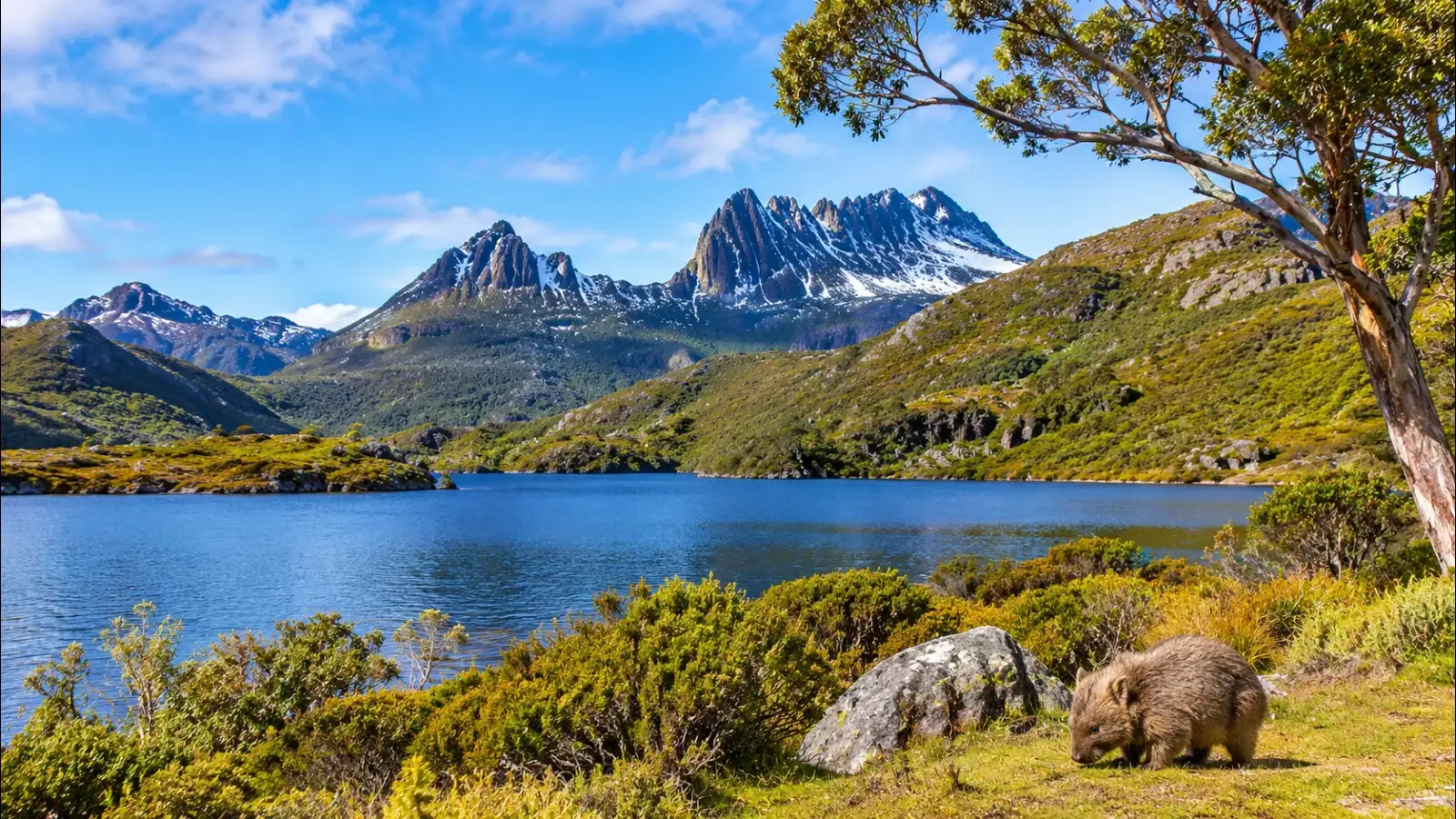
1. Explore the Wilderness of Cradle Mountain
Cradle Mountain-Lake St Clair National Park is one of Tasmania's best-known natural attractions. It features rugged mountain peaks, glacial lakes, alpine vegetation and extensive walking trails.
Dove Lake is among the most photographed locations in the park, offering beautiful views of Cradle Mountain reflected in its waters on calm days. Visitors can choose from shorter nature walks or more challenging hikes depending on their fitness and experience.
The park is also an important habitat for native wildlife, including wombats, wallabies and echidnas.
2. Discover the Beautiful Beaches of Freycinet National Park
Freycinet National Park is famous for its coastal scenery, granite mountains and beautiful beaches. One of its most recognised attractions is Wineglass Bay, known for its curved shoreline and clear blue water.
Visitors can reach viewpoints through designated walking trails, while longer routes offer opportunities to explore more of the peninsula. The park is also home to secluded coves, coastal forests and diverse birdlife.
Its combination of mountain and seaside landscapes makes it particularly appealing to photographers and outdoor enthusiasts.
3. Experience Tasmania's Unique Wildlife
Tasmania is home to several animals that are difficult to find in other parts of the world. The Tasmanian devil is perhaps its most famous native species, while wombats, eastern quolls, wallabies and echidnas also inhabit different parts of the island.
Nature lovers can explore protected areas and wildlife conservation centres to learn more about these animals. Maria Island is another interesting destination, known for its wildlife and opportunities to spot wombats, wallabies and Cape Barren geese.
Visitors should observe animals from a respectful distance and avoid feeding them.
4. Walk Through Ancient Rainforests
Tasmania contains some remarkable temperate rainforests, including areas within the Tasmanian Wilderness World Heritage Area. These forests feature ancient trees, moss-covered logs, fern-filled landscapes and delicate ecosystems.
The Tarkine, also known as takayna, is particularly notable for its extensive rainforest and coastal wilderness. Visitors can explore selected walking trails and scenic routes to experience its natural environment.
These forests offer a different perspective on Tasmania's landscapes, especially for travellers interested in plant diversity and conservation.
5. Visit the Dramatic Landscapes of Tasman National Park
Tasman National Park is known for its impressive sea cliffs, rock formations and rugged coastal scenery. The region features some of Australia's highest sea cliffs, creating dramatic views over the Tasman Sea.
Popular attractions include the Tessellated Pavement, Tasman Arch and the remarkable coastal formations near Eaglehawk Neck. Walking trails allow visitors to explore the coastline while enjoying views of the ocean and surrounding cliffs.
The park is also an excellent destination for coastal photography and wildlife observation.
6. Explore the Beauty of Mount Field National Park
Mount Field National Park is one of Tasmania's oldest national parks and offers a variety of natural landscapes. Its forests, waterfalls, alpine areas and walking trails make it an interesting destination throughout the year.
Russell Falls is among its most famous attractions, featuring multiple levels of water cascading through a lush rainforest setting. The park also contains tall swamp gum trees and other impressive forest vegetation.
During colder months, higher sections of the park may receive snowfall, creating a different kind of mountain experience.
7. Discover the Coastal Beauty of Bruny Island
Bruny Island, located off the southeastern coast of Tasmania, is known for its beautiful beaches, coastal forests and wildlife. The island offers a quieter travel experience with scenic drives and walking opportunities.
The Neck is one of its most recognisable landmarks, featuring a narrow strip of land connecting North and South Bruny. The viewing platform provides panoramic views of the surrounding coastline.
Visitors may also encounter little penguins, seals and different bird species in suitable locations and seasons.
8. Enjoy the Landscapes of Lake St Clair
Lake St Clair is one of Tasmania's most scenic freshwater destinations and forms part of the Cradle Mountain-Lake St Clair National Park. Surrounded by forested mountains and natural vegetation, it offers a peaceful setting for outdoor activities.
Visitors can enjoy lakeside walks, photography, boating in permitted areas and wildlife observation. The lake is also the southern end of the famous Overland Track, a long-distance walking route that passes through some of Tasmania's most impressive wilderness landscapes.
Best Time to Visit Tasmania for Nature Tourism
Tasmania can be explored throughout the year, although the experience changes with the seasons.
Tasmania is an interesting destination for nature tourism because it offers an impressive combination of mountains, rainforests, beaches, wildlife and protected wilderness areas. From the scenic walking trails of Cradle Mountain to the coastal beauty of Freycinet and Bruny Island, the island provides experiences for different kinds of outdoor travellers. Its unique wildlife and remarkable natural heritage make it particularly appealing to those who enjoy exploring landscapes at a relaxed pace. Whether you prefer hiking, wildlife observation or scenic coastal drives, Tasmania has plenty to discover.
1. Explore the Wilderness of Cradle Mountain
Cradle Mountain-Lake St Clair National Park is one of Tasmania's best-known natural attractions. It features rugged mountain peaks, glacial lakes, alpine vegetation and extensive walking trails.
Dove Lake is among the most photographed locations in the park, offering beautiful views of Cradle Mountain reflected in its waters on calm days. Visitors can choose from shorter nature walks or more challenging hikes depending on their fitness and experience.
The park is also an important habitat for native wildlife, including wombats, wallabies and echidnas.
2. Discover the Beautiful Beaches of Freycinet National Park
Freycinet National Park is famous for its coastal scenery, granite mountains and beautiful beaches. One of its most recognised attractions is Wineglass Bay, known for its curved shoreline and clear blue water.
Visitors can reach viewpoints through designated walking trails, while longer routes offer opportunities to explore more of the peninsula. The park is also home to secluded coves, coastal forests and diverse birdlife.
Its combination of mountain and seaside landscapes makes it particularly appealing to photographers and outdoor enthusiasts.
3. Experience Tasmania's Unique Wildlife
Tasmania is home to several animals that are difficult to find in other parts of the world. The Tasmanian devil is perhaps its most famous native species, while wombats, eastern quolls, wallabies and echidnas also inhabit different parts of the island.
Nature lovers can explore protected areas and wildlife conservation centres to learn more about these animals. Maria Island is another interesting destination, known for its wildlife and opportunities to spot wombats, wallabies and Cape Barren geese.
Visitors should observe animals from a respectful distance and avoid feeding them.
4. Walk Through Ancient Rainforests
Tasmania contains some remarkable temperate rainforests, including areas within the Tasmanian Wilderness World Heritage Area. These forests feature ancient trees, moss-covered logs, fern-filled landscapes and delicate ecosystems.
The Tarkine, also known as takayna, is particularly notable for its extensive rainforest and coastal wilderness. Visitors can explore selected walking trails and scenic routes to experience its natural environment.
These forests offer a different perspective on Tasmania's landscapes, especially for travellers interested in plant diversity and conservation.
5. Visit the Dramatic Landscapes of Tasman National Park
Tasman National Park is known for its impressive sea cliffs, rock formations and rugged coastal scenery. The region features some of Australia's highest sea cliffs, creating dramatic views over the Tasman Sea.
Popular attractions include the Tessellated Pavement, Tasman Arch and the remarkable coastal formations near Eaglehawk Neck. Walking trails allow visitors to explore the coastline while enjoying views of the ocean and surrounding cliffs.
The park is also an excellent destination for coastal photography and wildlife observation.
6. Explore the Beauty of Mount Field National Park
Mount Field National Park is one of Tasmania's oldest national parks and offers a variety of natural landscapes. Its forests, waterfalls, alpine areas and walking trails make it an interesting destination throughout the year.
Russell Falls is among its most famous attractions, featuring multiple levels of water cascading through a lush rainforest setting. The park also contains tall swamp gum trees and other impressive forest vegetation.
During colder months, higher sections of the park may receive snowfall, creating a different kind of mountain experience.
7. Discover the Coastal Beauty of Bruny Island
Bruny Island, located off the southeastern coast of Tasmania, is known for its beautiful beaches, coastal forests and wildlife. The island offers a quieter travel experience with scenic drives and walking opportunities.
The Neck is one of its most recognisable landmarks, featuring a narrow strip of land connecting North and South Bruny. The viewing platform provides panoramic views of the surrounding coastline.
Visitors may also encounter little penguins, seals and different bird species in suitable locations and seasons.
You may also like
- Itching Without a Rash: Internal Causes Worth Investigating
- PPF Withdrawal Rules: Can you withdraw money before 15-year maturity during an emergency? Check eligibility, limits and required forms.
- Brezza over bride! Delhi cop calls off wedding after not getting car of his choice
- Why couldn't Ravana take the Shivalinga to Lanka? What is the story behind the nine severed heads being offered?
- When will the new exam schedule for MP Police Constable recruitment be released? Here is what the Board has to say
8. Enjoy the Landscapes of Lake St Clair
Lake St Clair is one of Tasmania's most scenic freshwater destinations and forms part of the Cradle Mountain-Lake St Clair National Park. Surrounded by forested mountains and natural vegetation, it offers a peaceful setting for outdoor activities.
Visitors can enjoy lakeside walks, photography, boating in permitted areas and wildlife observation. The lake is also the southern end of the famous Overland Track, a long-distance walking route that passes through some of Tasmania's most impressive wilderness landscapes.
Best Time to Visit Tasmania for Nature Tourism
Tasmania can be explored throughout the year, although the experience changes with the seasons.
- December to February: Summer offers longer daylight hours and generally favourable conditions for hiking, coastal exploration and outdoor activities.
- March to May: Autumn brings changing foliage, cooler temperatures and attractive landscapes.
- June to August: Winter is suitable for travellers interested in snowy mountain scenery, although some walking routes may become difficult.
- September to November: Spring brings fresh greenery, flowering plants and active wildlife in several parts of the island.
Tasmania is an interesting destination for nature tourism because it offers an impressive combination of mountains, rainforests, beaches, wildlife and protected wilderness areas. From the scenic walking trails of Cradle Mountain to the coastal beauty of Freycinet and Bruny Island, the island provides experiences for different kinds of outdoor travellers. Its unique wildlife and remarkable natural heritage make it particularly appealing to those who enjoy exploring landscapes at a relaxed pace. Whether you prefer hiking, wildlife observation or scenic coastal drives, Tasmania has plenty to discover.






Loving Newspoint? Download the app now
