
Tea Effects on Health: Why Drinking Tea Immediately After a Meal Could Be Harmful

For many people, ending a meal with a hot cup of tea is a daily ritual that feels soothing and harmless. Whether it’s to relax, refresh the mind, or help food go down better, tea is often seen as a healthy choice. However, emerging medical advice suggests that this common habit may not be as beneficial as it seems.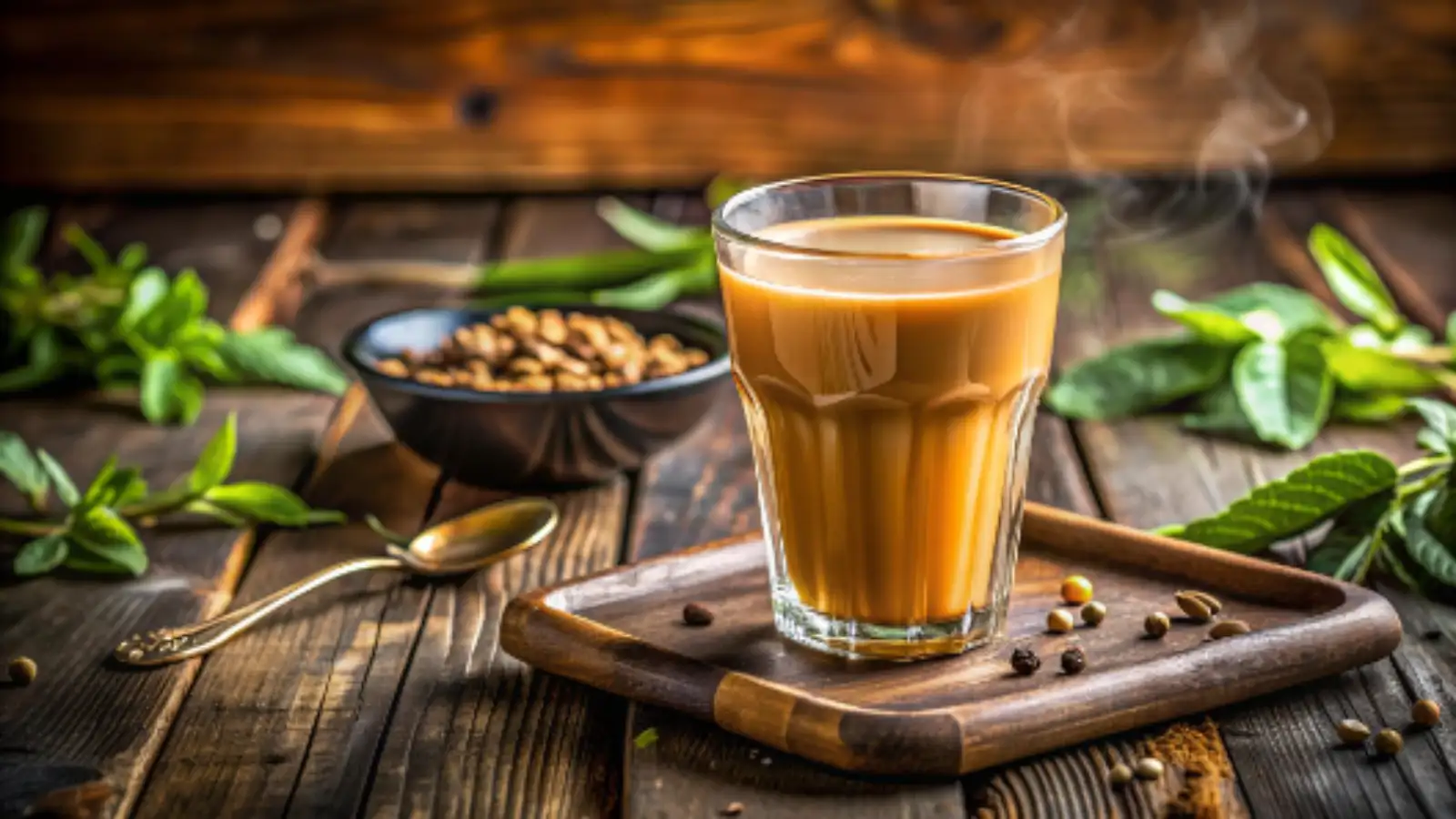
Experts now warn that drinking tea immediately after eating can interfere with digestion and nutrient absorption, quietly impacting overall wellbeing. Understanding the tea effects on health can help you make smarter choices about when and how to enjoy your favourite brew.
How Tea Affects Nutrient Absorption in the Body
One of the most discussed tea effects on health relates to its impact on iron absorption. Tea naturally contains tannins and polyphenols - plant compounds that bind with iron, particularly non-heme iron found in vegetables, pulses, whole grains, and legumes.
When tea is consumed right after a meal, these compounds can prevent iron from being absorbed efficiently in the digestive tract. Over time, this reduced absorption may contribute to low iron levels, increasing the risk of iron deficiency and anaemia.
This issue is especially important for:
Why Tea Can Disrupt Digestion After Meals
Another key aspect of tea effects on health is its influence on digestion. Tea, especially strong black or milk tea, contains caffeine and tannins that can interfere with digestive enzymes. These enzymes are essential for breaking down food and ensuring smooth digestion.
Drinking tea too soon after eating may lead to:
Instead of calming the digestive system, tea may irritate the stomach lining in some individuals, making post-meal discomfort more likely.
These tea effects on health often go unnoticed until symptoms like fatigue, weakness, or frequent digestive issues begin to surface.
If you crave something warm immediately after eating, consider gentler options such as:
These alternatives support digestion and avoid the negative tea effects on health linked to traditional tea varieties.
Tea is undoubtedly packed with antioxidants and offers several health benefits when consumed wisely. However, timing matters. Drinking tea immediately after meals may quietly disrupt digestion and nutrient absorption. By simply adjusting when you enjoy your cup, you can continue to benefit from tea without compromising your health.
Experts now warn that drinking tea immediately after eating can interfere with digestion and nutrient absorption, quietly impacting overall wellbeing. Understanding the tea effects on health can help you make smarter choices about when and how to enjoy your favourite brew.
How Tea Affects Nutrient Absorption in the Body
One of the most discussed tea effects on health relates to its impact on iron absorption. Tea naturally contains tannins and polyphenols - plant compounds that bind with iron, particularly non-heme iron found in vegetables, pulses, whole grains, and legumes.
When tea is consumed right after a meal, these compounds can prevent iron from being absorbed efficiently in the digestive tract. Over time, this reduced absorption may contribute to low iron levels, increasing the risk of iron deficiency and anaemia.
This issue is especially important for:
- Women
- Children and adolescents
- Vegetarians and vegans
- People already prone to low iron levels
Why Tea Can Disrupt Digestion After Meals
Another key aspect of tea effects on health is its influence on digestion. Tea, especially strong black or milk tea, contains caffeine and tannins that can interfere with digestive enzymes. These enzymes are essential for breaking down food and ensuring smooth digestion.
You may also like
- Latest update on the 22nd installment of the PM Kisan Yojana, you may receive ₹2,000 soon.
- Protein revolution in India: India sees surge in protein products; Brands aim to integrate essential nutrients into daily diets
- Your house can be built for just 1.5 lakh rupees. NTPC's unique method is absolutely unique.
- Solo Travel Safety Guide: How First-Time Explorers Can Travel the World Securely and Confidently
- Milk vs Curd: A Complete Guide to Digestion, Nutrition and Smart Dairy Choices for Families
Drinking tea too soon after eating may lead to:
- Bloating and gas
- Acidity or heartburn
- A heavy or uncomfortable stomach feeling
Instead of calming the digestive system, tea may irritate the stomach lining in some individuals, making post-meal discomfort more likely.
Long-Term Health Effects You Shouldn’t Ignore
Regularly pairing tea with meals can have subtle but long-term consequences. Persistent nutrient absorption issues may affect immunity, energy levels, and even bone strength over time. Additionally, caffeine acts as a mild diuretic, which means excessive tea consumption throughout the day could contribute to mild dehydration.These tea effects on health often go unnoticed until symptoms like fatigue, weakness, or frequent digestive issues begin to surface.
Best Time to Drink Tea for Better Health
Health experts recommend waiting at least 30 to 60 minutes after a meal before drinking tea. This gap allows your body to digest food properly and absorb essential nutrients without interference.If you crave something warm immediately after eating, consider gentler options such as:
- Warm water
- Herbal teas without caffeine
- Light infusions like fennel or ginger
These alternatives support digestion and avoid the negative tea effects on health linked to traditional tea varieties.
Tea is undoubtedly packed with antioxidants and offers several health benefits when consumed wisely. However, timing matters. Drinking tea immediately after meals may quietly disrupt digestion and nutrient absorption. By simply adjusting when you enjoy your cup, you can continue to benefit from tea without compromising your health.






More from our partners


Loving Newspoint? Download the app now
