
Tea Lovers Alert: 7 Common Tea-Drinking Habits That Could Harm Your Health

Tea lovers often enjoy their daily cup as a comforting ritual, but not all tea habits are safe. While moderate tea consumption offers antioxidants and other health benefits, certain practices can harm your body. Understanding these common tea-drinking mistakes can help you enjoy your favourite beverage safely and maintain overall wellness.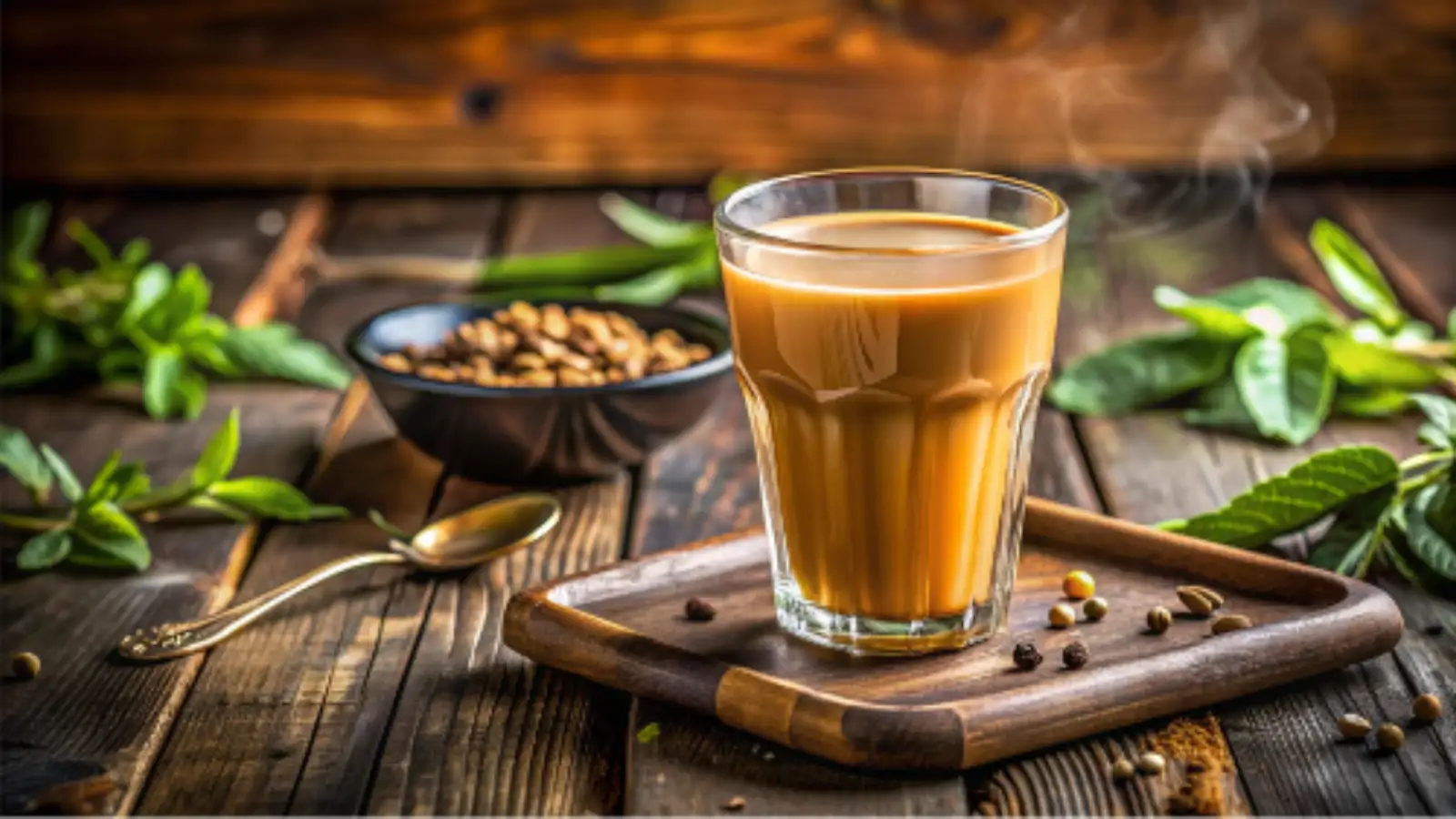
1. Drinking Tea When It's Too Hot
Sipping extremely hot tea may damage your oesophagus over time. Experts recommend avoiding drinks hotter than 65°C. Letting tea cool for a few minutes not only preserves its flavour but also reduces the risk of irritation and long-term oesophageal problems.
2. Drinking Tea on an Empty Stomach
Tea on an empty stomach can trigger acidity, indigestion, or reflux. The tannins in tea increase acid production, irritating the stomach lining. To prevent discomfort, enjoy a small snack, like soaked nuts, a biscuit, or a glass of water, before sipping your tea.
3. Overloading on Sugar
Excess sugar may enhance taste but is harmful over time. High sugar intake can lead to fat accumulation in the liver, increase the risk of diabetes, and elevate triglyceride levels associated with fatty liver disease. Opt for minimal sugar or natural sweeteners to protect your health.
4. Drinking Tea Late in the Evening
Caffeine in tea can disrupt sleep cycles, leading to fatigue and slower metabolism. For a bedtime beverage, switch to warm milk, caffeine-free herbal tea, or decaffeinated blends to avoid disturbing your nightly rest.
5. Overusing Slimming or Detox Teas
Some slimming or detox teas contain strong laxatives that can cause dehydration, electrolyte imbalance, and digestive issues. Frequent consumption may weaken gut health rather than help with weight management. Use these products sparingly and under guidance.
6. Excessive Green Tea Supplements
While green tea is generally safe, concentrated supplements or extracts can strain the liver due to high catechin levels. Overconsumption may harm liver cells, so it’s best to stick to natural brewed green tea in moderation.
7. Ignoring Your Body’s Signals
Pay attention to how your body reacts to tea. Symptoms like stomach discomfort, heartburn, or sleep disruption are warning signs that your tea habits need adjustment. Moderation and mindful consumption are key to enjoying tea safely.
Bottom Line: Tea can be a healthy part of your daily routine, but even beloved beverages have their pitfalls. Avoiding extremely hot tea, limiting sugar, moderating caffeine, and steering clear of excessive supplements or laxative teas can help you enjoy tea without compromising your health.
1. Drinking Tea When It's Too Hot
Sipping extremely hot tea may damage your oesophagus over time. Experts recommend avoiding drinks hotter than 65°C. Letting tea cool for a few minutes not only preserves its flavour but also reduces the risk of irritation and long-term oesophageal problems.
2. Drinking Tea on an Empty Stomach
Tea on an empty stomach can trigger acidity, indigestion, or reflux. The tannins in tea increase acid production, irritating the stomach lining. To prevent discomfort, enjoy a small snack, like soaked nuts, a biscuit, or a glass of water, before sipping your tea.
3. Overloading on Sugar
Excess sugar may enhance taste but is harmful over time. High sugar intake can lead to fat accumulation in the liver, increase the risk of diabetes, and elevate triglyceride levels associated with fatty liver disease. Opt for minimal sugar or natural sweeteners to protect your health.
4. Drinking Tea Late in the Evening
Caffeine in tea can disrupt sleep cycles, leading to fatigue and slower metabolism. For a bedtime beverage, switch to warm milk, caffeine-free herbal tea, or decaffeinated blends to avoid disturbing your nightly rest.
5. Overusing Slimming or Detox Teas
Some slimming or detox teas contain strong laxatives that can cause dehydration, electrolyte imbalance, and digestive issues. Frequent consumption may weaken gut health rather than help with weight management. Use these products sparingly and under guidance.
6. Excessive Green Tea Supplements
While green tea is generally safe, concentrated supplements or extracts can strain the liver due to high catechin levels. Overconsumption may harm liver cells, so it’s best to stick to natural brewed green tea in moderation.
7. Ignoring Your Body’s Signals
Pay attention to how your body reacts to tea. Symptoms like stomach discomfort, heartburn, or sleep disruption are warning signs that your tea habits need adjustment. Moderation and mindful consumption are key to enjoying tea safely.
Bottom Line: Tea can be a healthy part of your daily routine, but even beloved beverages have their pitfalls. Avoiding extremely hot tea, limiting sugar, moderating caffeine, and steering clear of excessive supplements or laxative teas can help you enjoy tea without compromising your health.
Next Story