
The Cities Where People Live Below Ground: A Hidden Side of Urban Life

Beneath some ordinary-looking landscapes are vast underground spaces where people once lived, worshipped, stored food and protected themselves from danger. These are not simply basements or caves. Some underground settlements contain rooms, passageways, wells, kitchens and places of worship, forming complex communities hidden beneath the surface. They were built for different reasons, from defence and climate control to protection from invaders. Among the most extraordinary examples are found in Cappadocia in modern-day Türkiye, where underground cities extend several levels below the ground.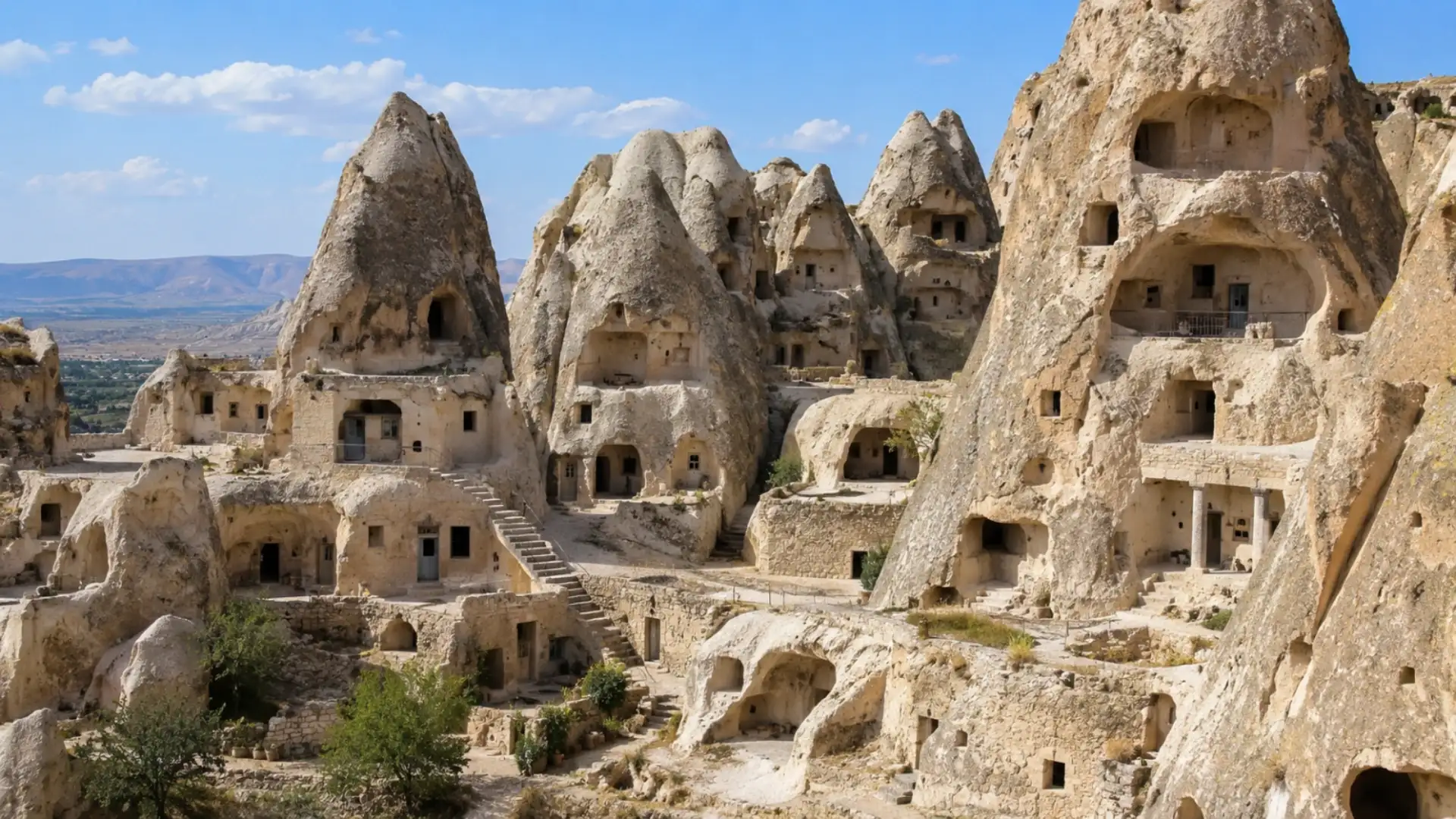
Communities excavated homes, storage rooms, churches and tunnels into the rock. Some underground complexes grew into remarkably sophisticated settlements.
Derinkuyu is among the best-known examples. The underground city extends deep below the surface and contains multiple levels connected by narrow passages.
The environment underground also offers natural insulation. Temperatures remain relatively stable compared with the dramatic heat and cold experienced at the surface.
Food storage benefited from this stability as well.
Some underground settlements included ventilation shafts that brought fresh air to lower levels. Wells and water systems helped make prolonged occupation possible.
Across different cultures, the basic idea was similar: the ground itself could provide shelter, insulation and protection.
However, living underground on a large scale presents challenges involving ventilation, natural light, emergency access and psychological comfort.
The ancient underground cities therefore offer more than archaeological curiosity. They demonstrate an old human instinct that remains surprisingly relevant today: when the surface becomes difficult to live on, sometimes the answer is to build down rather than up.
Cappadocia's Hidden World
Cappadocia's volcanic landscape contains soft rock called tuff, formed from ancient volcanic eruptions. Over time, people learned that this material could be carved relatively easily.Communities excavated homes, storage rooms, churches and tunnels into the rock. Some underground complexes grew into remarkably sophisticated settlements.
Derinkuyu is among the best-known examples. The underground city extends deep below the surface and contains multiple levels connected by narrow passages.
Why Would People Move Underground?
Security was one major reason. Underground spaces could provide shelter during periods of conflict and make communities harder for attackers to locate or reach.You may also like
- Health Tips: These are the main symptoms of swine flu, do not ignore them
- Health Tips: To get rid of fatty liver problems, include these three things in your diet today
- Union Minister Kiren Rijiju responds to Arunachal girl's cute request, “Humko Indian bolo”: “You have become famous; the whole of India loves you”
- High heels were originally made for men, here's surprising story
- 5 Cucumber Skincare Secrets for Fresh, Glowing Skin
The environment underground also offers natural insulation. Temperatures remain relatively stable compared with the dramatic heat and cold experienced at the surface.
Food storage benefited from this stability as well.
Some underground settlements included ventilation shafts that brought fresh air to lower levels. Wells and water systems helped make prolonged occupation possible.
Underground Living Was Not Unique to One Region
Other societies have also used underground or semi-underground homes. In parts of China, traditional yaodong cave dwellings were carved into loess soil and used as practical homes.Across different cultures, the basic idea was similar: the ground itself could provide shelter, insulation and protection.
Could Underground Cities Return?
Modern underground architecture is being reconsidered in some densely populated cities. Subways, tunnels, underground shopping centres and utility networks already place enormous amounts of urban infrastructure below street level.However, living underground on a large scale presents challenges involving ventilation, natural light, emergency access and psychological comfort.
The ancient underground cities therefore offer more than archaeological curiosity. They demonstrate an old human instinct that remains surprisingly relevant today: when the surface becomes difficult to live on, sometimes the answer is to build down rather than up.






Loving Newspoint? Download the app now
