
The Evolution Of Noodles From Ancient China To A Global Culinary Icon Loved Across Cultures

Noodles are one of the most beloved and versatile foods in the world today, found in countless forms across cultures and cuisines. From steaming bowls of broth-based dishes to stir-fried delights, noodles have become a universal comfort food. However, their story began thousands of years ago in ancient China, where simple ingredients and ingenuity laid the foundation for what would become a global culinary phenomenon. The evolution of noodles reflects not only changes in food habits but also the movement of people, trade routes, and cultural exchange across continents.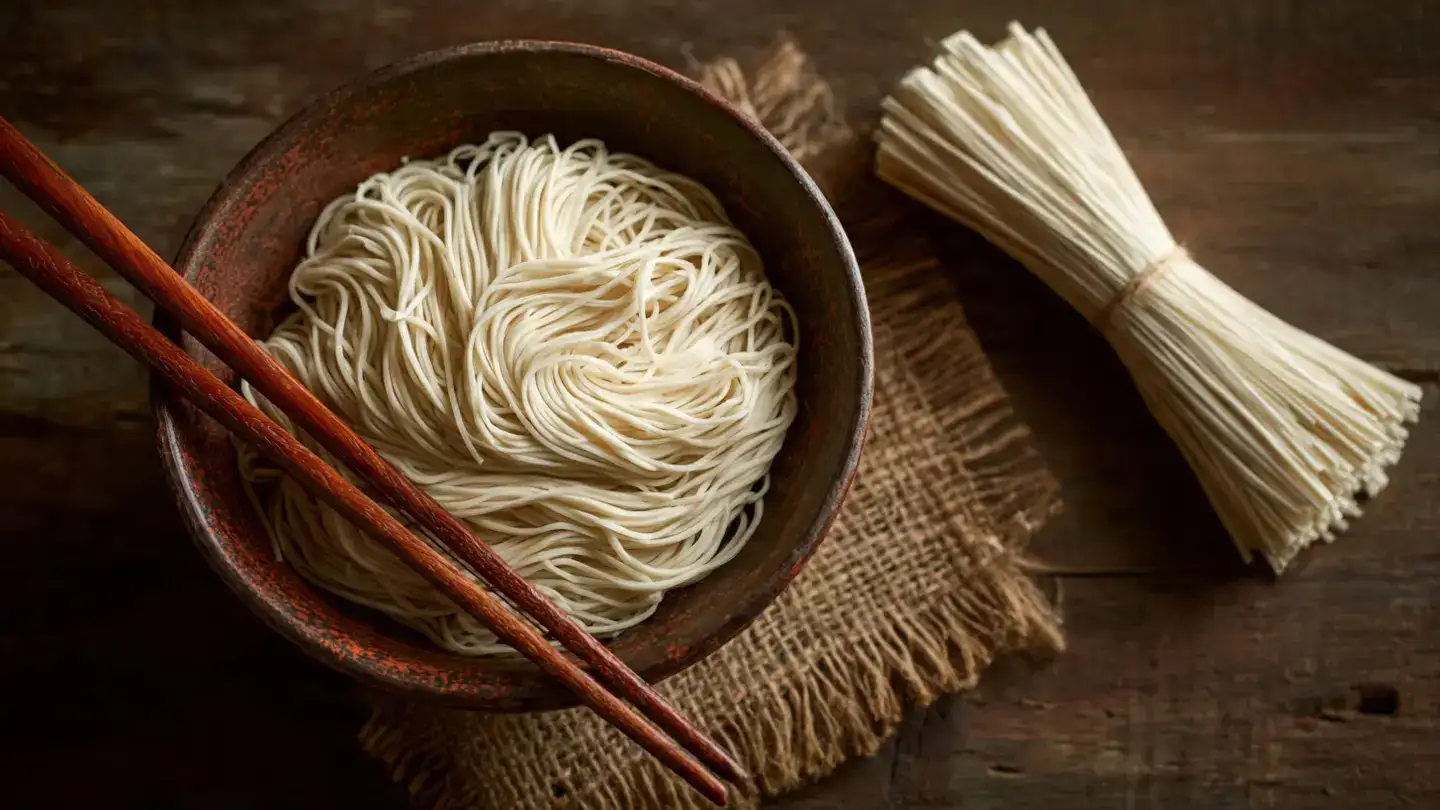
As agricultural practices improved, wheat-based noodles gained popularity. Chinese communities began experimenting with textures, thickness, and preparation methods, leading to a wide variety of noodle styles. These innovations laid the groundwork for noodle-making techniques that are still used today.
As noodles reached different regions, they were modified using locally available ingredients. In some areas, rice replaced wheat, while in others, spices and cooking methods transformed the dish entirely. This adaptability is one of the key reasons noodles became so widespread.
In Southeast Asia, rice noodles gained prominence due to the abundance of rice. These noodles are lighter and often used in dishes that balance sweet, sour, and spicy flavours.
Meanwhile, in Europe, the introduction of noodles eventually contributed to the development of pasta. Though pasta has its own distinct identity, its connection to early noodle traditions highlights the influence of cultural exchange.
The Middle East also embraced noodles, incorporating them into hearty dishes that reflect regional tastes and ingredients. Across all these regions, noodles evolved into unique culinary expressions while retaining their basic essence.
At the same time, traditional noodle recipes continue to thrive, with chefs and home cooks preserving age-old techniques. The rise of food tourism and digital media has also introduced people to diverse noodle dishes from around the world, increasing their popularity.
From street food stalls to fine dining restaurants, noodles have found a place in every segment of the food industry. Their ability to blend with different ingredients and flavours makes them endlessly adaptable.
They also represent comfort and familiarity, often associated with home-cooked meals and family traditions. The simplicity of noodles allows them to connect people across generations and regions, making them more than just a dish.
Fusion cuisine has also played a role in redefining noodles, combining elements from different culinary traditions to create new flavours. This constant evolution ensures that noodles remain relevant in an ever-changing food landscape.
The enduring appeal of noodles lies in their simplicity and adaptability. What began as a basic food in ancient China has transformed into a global favourite that continues to inspire creativity in kitchens worldwide.
Image Courtesy: Meta AI
The Ancient Origins Of Noodles
The history of noodles dates back over 4,000 years, with archaeological evidence pointing to their origin in China. Early noodles were made from millet, a staple grain at the time, long before wheat became widely used. These early versions were simple yet practical, providing nourishment and ease of preparation.As agricultural practices improved, wheat-based noodles gained popularity. Chinese communities began experimenting with textures, thickness, and preparation methods, leading to a wide variety of noodle styles. These innovations laid the groundwork for noodle-making techniques that are still used today.
Spread Through Trade And Migration
The evolution of noodles took a significant turn as trade routes expanded. The Silk Road played a crucial role in introducing noodles to different parts of Asia, the Middle East, and eventually Europe. Travellers and merchants carried not just goods but also culinary traditions, allowing noodles to adapt to new environments.As noodles reached different regions, they were modified using locally available ingredients. In some areas, rice replaced wheat, while in others, spices and cooking methods transformed the dish entirely. This adaptability is one of the key reasons noodles became so widespread.
Regional Transformations And Variations
One of the most fascinating aspects of the evolution of noodles is how each culture made them its own. In East Asia, noodles became central to everyday meals, often served in broths or stir-fried with vegetables and meat.In Southeast Asia, rice noodles gained prominence due to the abundance of rice. These noodles are lighter and often used in dishes that balance sweet, sour, and spicy flavours.
Meanwhile, in Europe, the introduction of noodles eventually contributed to the development of pasta. Though pasta has its own distinct identity, its connection to early noodle traditions highlights the influence of cultural exchange.
The Middle East also embraced noodles, incorporating them into hearty dishes that reflect regional tastes and ingredients. Across all these regions, noodles evolved into unique culinary expressions while retaining their basic essence.
You may also like
- PPF Tips: If you wish to invest in PPF, make sure to note down the date April 5, 2026..
- Fake Friends: How to Distance Yourself from Selfish Friends Without a Fight? Say Goodbye to 'Fake Friends' with These 5 Methods..
- How to Address Unfair LPG Charges in Restaurants: A Guide for Consumers
- Where to experience houseboats just 8 hours away from Hyderabad
- Was Krishna Always Right? The Story That Raises Questions
Noodles In Modern Global Cuisine
Today, noodles are a global delicacy enjoyed in both traditional and contemporary forms. Instant noodles have revolutionised convenience, making it possible to prepare a quick meal within minutes. This innovation has further expanded the reach of noodles, especially in urban lifestyles.At the same time, traditional noodle recipes continue to thrive, with chefs and home cooks preserving age-old techniques. The rise of food tourism and digital media has also introduced people to diverse noodle dishes from around the world, increasing their popularity.
From street food stalls to fine dining restaurants, noodles have found a place in every segment of the food industry. Their ability to blend with different ingredients and flavours makes them endlessly adaptable.
Cultural Significance Of Noodles
Beyond their taste and versatility, noodles hold cultural importance in many societies. In several Asian cultures, noodles symbolise longevity and are often served during celebrations and special occasions.They also represent comfort and familiarity, often associated with home-cooked meals and family traditions. The simplicity of noodles allows them to connect people across generations and regions, making them more than just a dish.
Why Noodles Continue To Evolve
The journey of noodles is far from over. As global tastes continue to change, noodles are being reinvented in innovative ways. Health-conscious consumers are now exploring alternatives such as whole grain, millet, and vegetable-based noodles.Fusion cuisine has also played a role in redefining noodles, combining elements from different culinary traditions to create new flavours. This constant evolution ensures that noodles remain relevant in an ever-changing food landscape.
The enduring appeal of noodles lies in their simplicity and adaptability. What began as a basic food in ancient China has transformed into a global favourite that continues to inspire creativity in kitchens worldwide.
Image Courtesy: Meta AI






More from our partners


Loving Newspoint? Download the app now
