
The Five Flower Lake: Find Out Which Lake It Is

Five Flower Lake , also called Wuhua Lake , is renowned for its vibrant, multi-coloured waters. The lake earned its name because its surface displays at least five distinct colours—blue, green, turquoise, yellow, and light brown. This unique visual effect is caused by a combination of natural minerals, algae, calcium carbonate deposits, and sunlight reflecting off the exceptionally clear water.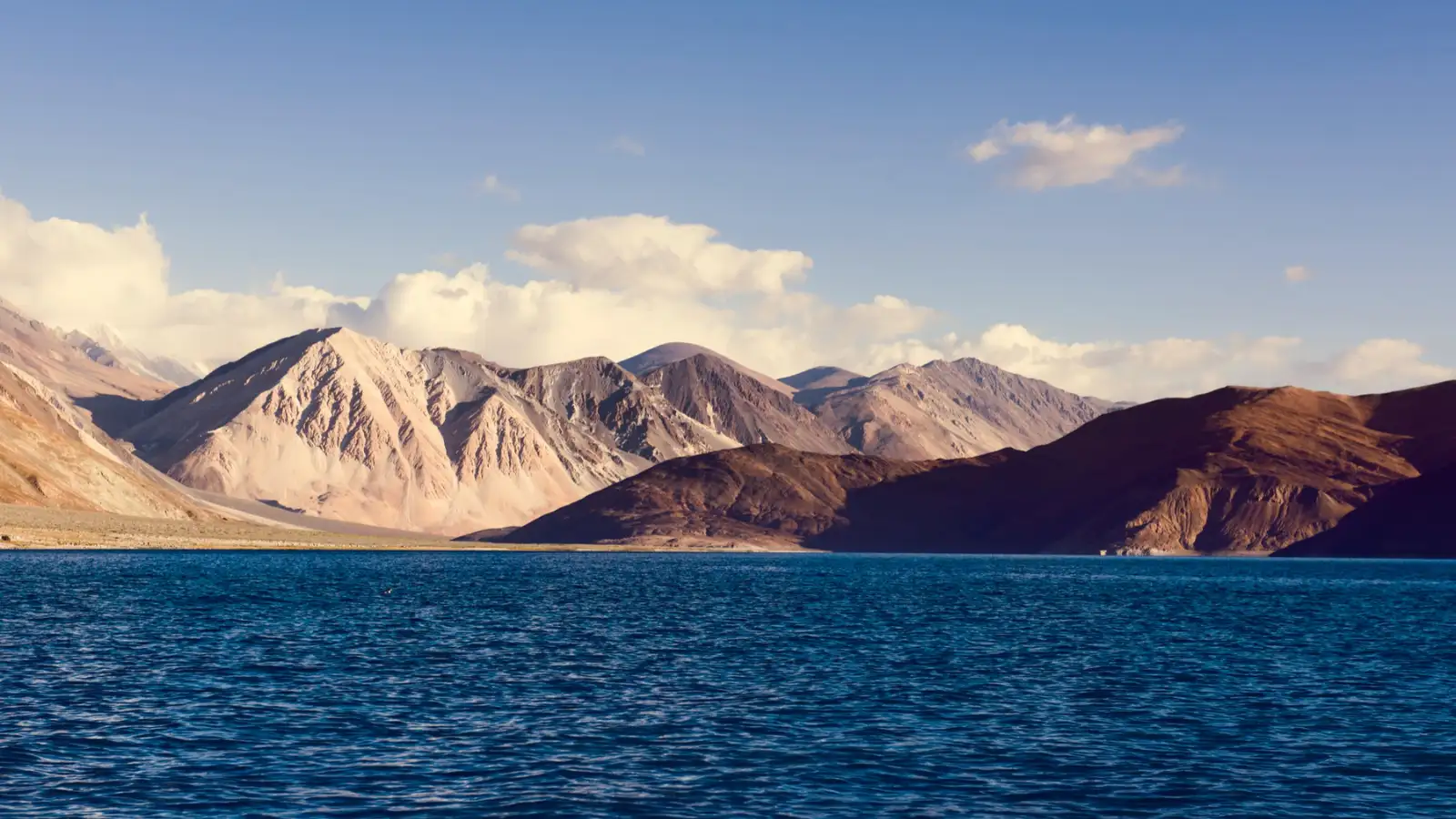
Location of Five Flower Lake
The lake is located within Jiuzhaigou Valley National Park in Sichuan Province, China. This UNESCO World Heritage Site is famous for its colourful lakes, waterfalls, dense forests, and snow-capped mountains, making it a haven for nature lovers and photographers.
Why Does Five Flower Lake Show Multiple Colours?
The magical colours of Five Flower Lake arise from its mineral composition and natural environment. Submerged tree trunks, algae, and calcium deposits interact with sunlight, creating vivid hues at different depths. The crystal-clear water enhances this effect, allowing visitors to see the lake bed and natural formations from the surface.
Seasonal and Daily Changes
Five Flower Lake’s appearance shifts with the seasons, weather conditions, and angle of sunlight. Morning light may highlight turquoise shades, while afternoon sun brings out golden or green tones. Autumn brings contrasting reflections of surrounding forests, making the lake look entirely different at every visit.
Tourism and Conservation
The lake is a major tourist attraction, but strict environmental protections are in place to preserve its fragile ecosystem. Swimming, fishing, or touching the water is prohibited, ensuring that the lake retains its glass-like clarity and vibrant colours.
Interesting Facts
Five Flower Lake is a living masterpiece of nature, celebrated for its breathtaking colours, crystal-clear waters, and ecological uniqueness, making it a must-see for travellers worldwide.
Location of Five Flower Lake
The lake is located within Jiuzhaigou Valley National Park in Sichuan Province, China. This UNESCO World Heritage Site is famous for its colourful lakes, waterfalls, dense forests, and snow-capped mountains, making it a haven for nature lovers and photographers. Why Does Five Flower Lake Show Multiple Colours?
The magical colours of Five Flower Lake arise from its mineral composition and natural environment. Submerged tree trunks, algae, and calcium deposits interact with sunlight, creating vivid hues at different depths. The crystal-clear water enhances this effect, allowing visitors to see the lake bed and natural formations from the surface.You may also like
- How to Remove Pesticides from Vegetables at Home: Washing Tips You Must Know
- 'Stunning' Roman spring jacket that 'covers hips' and 'goes well with anything'
- How Fake Beauty Trends Damage Skin and Hair
- Upcoming Rare Lunar Eclipse on March 3, 2026: What to Expect
- Celebrating Holi: Traditions and Remedies to Ward Off Evil Eye
Seasonal and Daily Changes
Five Flower Lake’s appearance shifts with the seasons, weather conditions, and angle of sunlight. Morning light may highlight turquoise shades, while afternoon sun brings out golden or green tones. Autumn brings contrasting reflections of surrounding forests, making the lake look entirely different at every visit. Tourism and Conservation
The lake is a major tourist attraction, but strict environmental protections are in place to preserve its fragile ecosystem. Swimming, fishing, or touching the water is prohibited, ensuring that the lake retains its glass-like clarity and vibrant colours.Interesting Facts
- The lake’s clear water lets you see submerged tree trunks and mineral deposits.
- Minerals and algae create the multi-coloured effect naturally.
- The lake is part of a UNESCO World Heritage Site, highlighting its ecological significance.
- Its colours constantly change with light, season, and water depth, offering a new experience every time.
Five Flower Lake is a living masterpiece of nature, celebrated for its breathtaking colours, crystal-clear waters, and ecological uniqueness, making it a must-see for travellers worldwide.






More from our partners


Loving Newspoint? Download the app now
