
The Forgotten Kingdoms That Once Ruled Parts of Modern India

India's political map looks remarkably familiar today, but its history was anything but fixed. Long before modern states were created, the subcontinent was divided between hundreds of kingdoms, tribal territories, dynasties and regional powers. Some survived for centuries and shaped languages, architecture and local traditions, yet their names are now unfamiliar to many Indians. The Ahom kingdom ruled the Brahmaputra Valley for around 600 years. Kalinga became one of ancient India's most influential eastern powers, while the old Garhwal kingdom shaped the political history of the Himalayan region. Their stories reveal that Indian history was never centred only on Delhi, Agra or the great imperial capitals.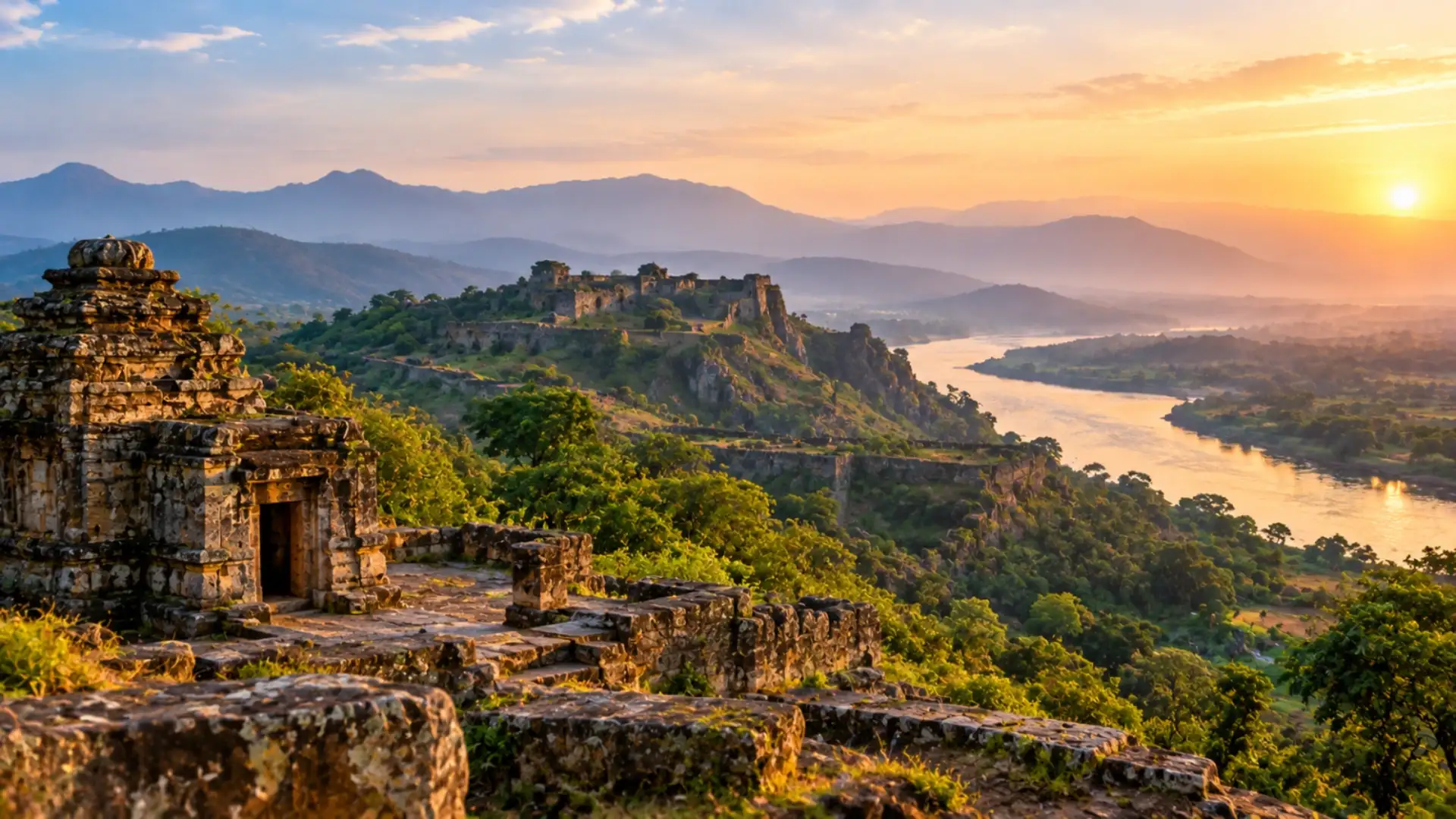
Assam Tourism records the Ahom rule as lasting roughly 600 years, making it one of the longest-lasting dynastic regimes in Indian history.
Its legacy survives in extraordinary forms. At Charaideo, the burial mounds known as Moidams preserve the memory of Ahom rulers. Their vaulted chambers and earthen mounds reflect a distinctive funerary tradition that continued for centuries. Charaideo was inscribed on the UNESCO World Heritage List in 2024.
The Odisha government describes Kalinga as a powerful ancient kingdom and highlights the later rise of Kharavela, who became a major ruler and patron of Jainism.
Its location along the eastern coast also connected it with maritime trade, giving the region an importance that extended well beyond warfare.
Devalgarh served as a capital of the Garhwal kingdom and remains associated with ancient temples and the reign of Ajay Pal, who made it his capital.
Its story illustrates how mountain kingdoms developed around difficult terrain, religious centres and strategically important valleys rather than enormous imperial cities.
A visit to an Ahom burial mound, a Kalingan archaeological site or an old Garhwali temple is therefore more than sightseeing. It is an encounter with political worlds that once shaped everyday life.
Modern India may have new borders and governments, but traces of these old kingdoms remain embedded in festivals, languages, monuments and local identities. The past has not really disappeared. It has simply changed its address.
The Ahoms Built a Kingdom That Refused to Disappear
Few forgotten kingdoms were as resilient as the Ahom kingdom of Assam. Chaolung Sukapha arrived in the region in 1228 and established a political system that eventually controlled much of the Brahmaputra Valley.Assam Tourism records the Ahom rule as lasting roughly 600 years, making it one of the longest-lasting dynastic regimes in Indian history.
Its legacy survives in extraordinary forms. At Charaideo, the burial mounds known as Moidams preserve the memory of Ahom rulers. Their vaulted chambers and earthen mounds reflect a distinctive funerary tradition that continued for centuries. Charaideo was inscribed on the UNESCO World Heritage List in 2024.
Kalinga Was More Than the Story of One War
Kalinga is often remembered because of Ashoka's devastating campaign in 261 BC. Yet the kingdom had a much longer political and cultural history.You may also like
- Love Piping-Hot Tea or Coffee? Research Links Very Hot Drinks to Higher Esophageal Cancer Risk
- Taking Painkillers Too Often? Your Kidneys Could Be at Risk, Nephrologists Warn
- EPFO Update: From PF-related tasks to UAN activation—get these things done in a jiffy without having to make rounds to your employer..
- Meet Jyoti Srivastava: She once designed rockets for the Indian Army; now she makes baby food inspired by her son's own diet
- Bank Holiday: Will banks in Delhi remain closed on September 11? Know the full facts regarding the BRICS Summit and the strike..
The Odisha government describes Kalinga as a powerful ancient kingdom and highlights the later rise of Kharavela, who became a major ruler and patron of Jainism.
Its location along the eastern coast also connected it with maritime trade, giving the region an importance that extended well beyond warfare.
The Garhwal Kingdom Left Its Mark in the Himalayas
In Uttarakhand, the former Garhwal kingdom is another example of a regional power that receives comparatively little attention in popular discussions of Indian history.Devalgarh served as a capital of the Garhwal kingdom and remains associated with ancient temples and the reign of Ajay Pal, who made it his capital.
Its story illustrates how mountain kingdoms developed around difficult terrain, religious centres and strategically important valleys rather than enormous imperial cities.
Why These Kingdoms Still Matter
Forgotten kingdoms are not merely historical footnotes. They help explain why India contains such extraordinary linguistic, architectural and cultural diversity.A visit to an Ahom burial mound, a Kalingan archaeological site or an old Garhwali temple is therefore more than sightseeing. It is an encounter with political worlds that once shaped everyday life.
Modern India may have new borders and governments, but traces of these old kingdoms remain embedded in festivals, languages, monuments and local identities. The past has not really disappeared. It has simply changed its address.






Loving Newspoint? Download the app now
