
Night Tourism In India: The New Way To Travel For Mental Peace

You may have seen Qutub Minar many times, yet at night it feels like an entirely new monument. Warm lights soften the ancient stone, an aeroplane drifts across the sky, and the ruins around it appear almost poetic. The familiar suddenly turns magical. This is the quiet power of night tourism, a travel trend that is reshaping how Indians experience destinations.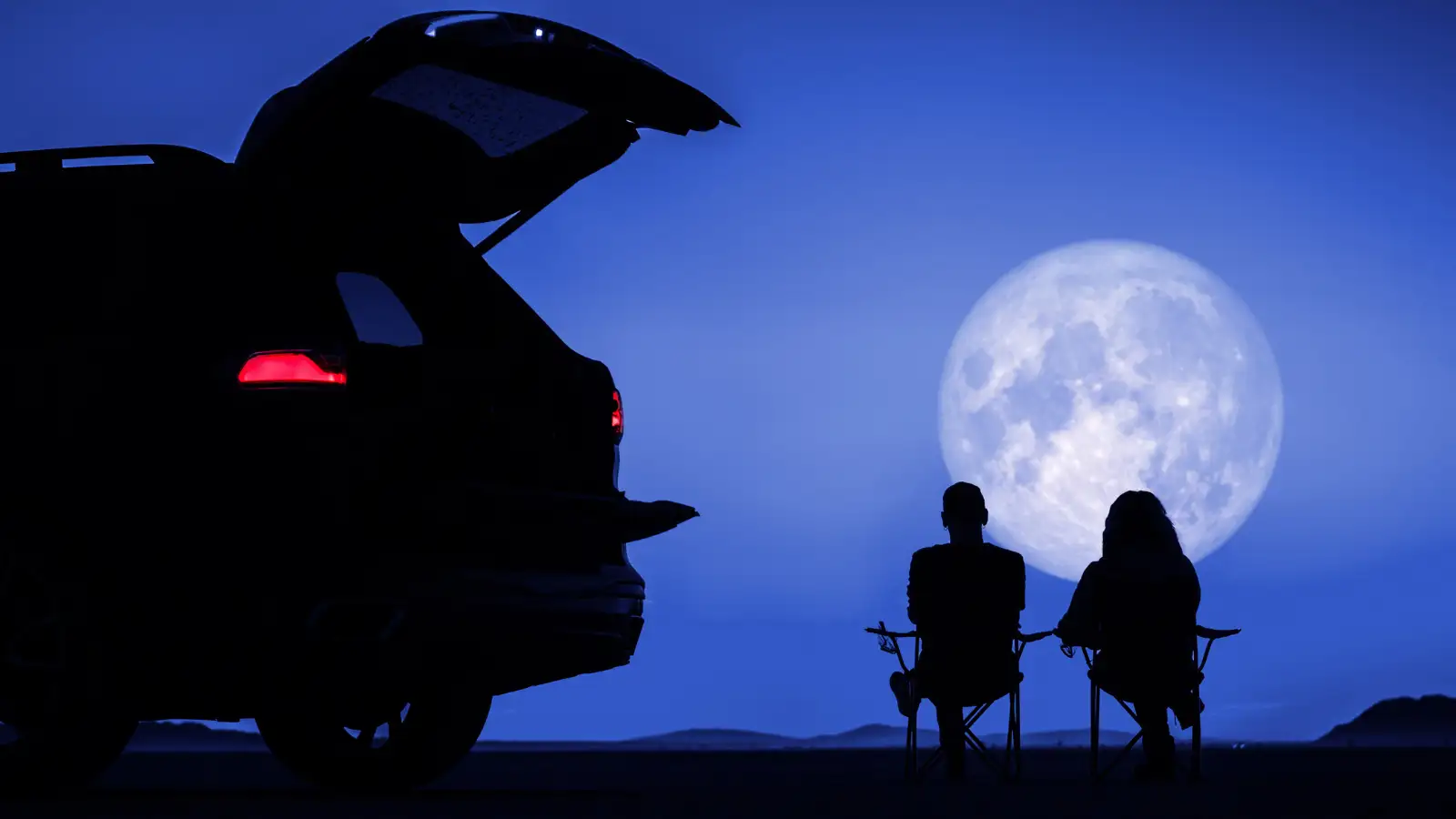
Across the country, travellers are discovering that exploring after sunset offers something daytime trips rarely provide stillness. Night safaris, heritage walks, riverfront strolls and stargazing experiences are finding a regular place in itineraries. These journeys are not only about beautiful photographs but also about mental relief from the constant buzz of daily life.
The global travel industry has recognised this shift. The term “noctotourism” has entered travel vocabulary, referring to low-light adventures centred on starbathing and dark-sky stays. Reports suggest that nearly two-thirds of travellers are now seeking darker destinations, guided constellation tours and rare cosmic events. In India too, interest is rising, with places such as the Hanle Dark Sky Reserve in Ladakh, desert camps in Rajasthan and forest night safaris attracting curious visitors.
Psychologists explain that the night naturally calms the brain. Reduced noise and light lower sensory overload, allowing thoughts to slow down. People often feel more philosophical or emotional after dark because the mind shifts from task mode to reflection. This makes night tourism for mental health particularly effective.
Stargazing is perhaps the most powerful example. Looking at a sky full of stars creates a feeling of awe that decreases anxiety and rumination. The vastness of space reminds travellers that their worries are small, encouraging gratitude and emotional balance. Even simple activities like walking through night markets or listening to waves in the dark help break repetitive thought cycles.
However, balance is important. Late outings should not disturb sleep or compromise safety. When planned responsibly, after-dark travel experiences act like sensory therapy, helping people reconnect with themselves.
As India embraces illuminated monuments, quiet nature trails and cosmic tourism, night is no longer just the end of a day, it is becoming the beginning of healing journeys.
Across the country, travellers are discovering that exploring after sunset offers something daytime trips rarely provide stillness. Night safaris, heritage walks, riverfront strolls and stargazing experiences are finding a regular place in itineraries. These journeys are not only about beautiful photographs but also about mental relief from the constant buzz of daily life.
The global travel industry has recognised this shift. The term “noctotourism” has entered travel vocabulary, referring to low-light adventures centred on starbathing and dark-sky stays. Reports suggest that nearly two-thirds of travellers are now seeking darker destinations, guided constellation tours and rare cosmic events. In India too, interest is rising, with places such as the Hanle Dark Sky Reserve in Ladakh, desert camps in Rajasthan and forest night safaris attracting curious visitors.
Psychologists explain that the night naturally calms the brain. Reduced noise and light lower sensory overload, allowing thoughts to slow down. People often feel more philosophical or emotional after dark because the mind shifts from task mode to reflection. This makes night tourism for mental health particularly effective.
Stargazing is perhaps the most powerful example. Looking at a sky full of stars creates a feeling of awe that decreases anxiety and rumination. The vastness of space reminds travellers that their worries are small, encouraging gratitude and emotional balance. Even simple activities like walking through night markets or listening to waves in the dark help break repetitive thought cycles.
However, balance is important. Late outings should not disturb sleep or compromise safety. When planned responsibly, after-dark travel experiences act like sensory therapy, helping people reconnect with themselves.
As India embraces illuminated monuments, quiet nature trails and cosmic tourism, night is no longer just the end of a day, it is becoming the beginning of healing journeys.
Next Story