
The Hidden Dangers Of Plastic Cutting Boards You Probably Never Knew

Cutting boards are a kitchen essential, but the material you choose can significantly affect both your health and the environment. Plastic cutting boards are a common choice due to their affordability and perceived cleanliness. However, recent studies and expert opinions are drawing attention to several concerns linked with their regular use. From microscopic plastic ingestion to bacterial growth, the risks are far greater than many people realise. Here’s why it might be time to swap that plastic board for a safer alternative.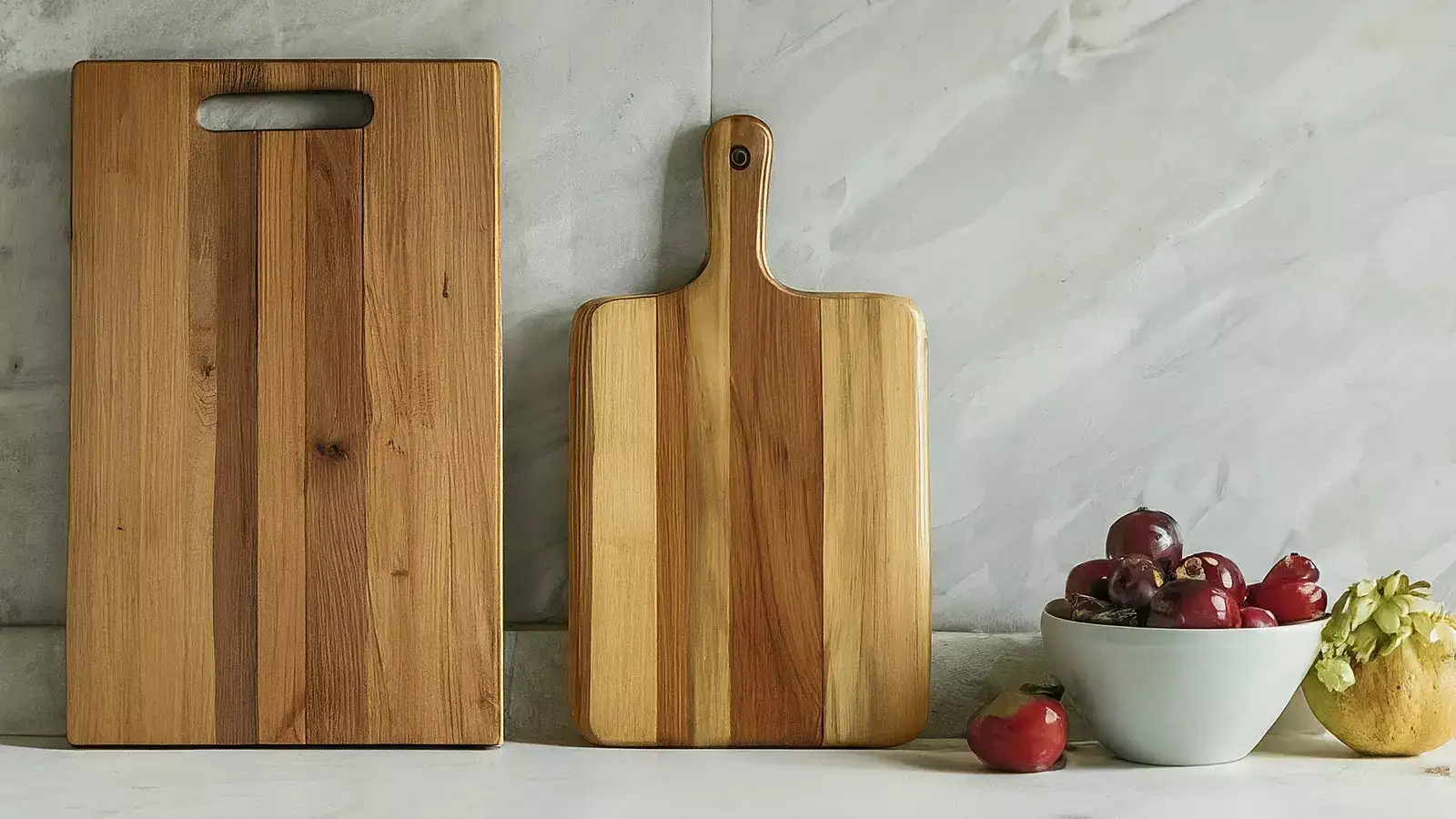
Plastic Boards Can Release Microplastics Into Your Food
Every time you slice, dice, or chop on a plastic cutting board, tiny plastic particles can break off and mix with your food. These microplastics are often invisible to the naked eye but may end up being consumed. Over time, ingesting microplastics could pose unknown health risks, with some studies suggesting possible links to inflammation, hormonal disruption, and even long-term toxicity. Unlike natural materials, plastic never truly breaks down—it only fragments further.Scratches and Grooves Harbour Harmful Bacteria
While plastic boards may appear easy to clean, they are highly prone to deep scratches from knives. These grooves can trap food particles and moisture, creating an ideal breeding ground for bacteria such as E. coli and Salmonella. Even after washing, these bacteria can persist and transfer to your next meal. Wooden or bamboo boards, on the other hand, tend to have natural antibacterial properties and self-healing surfaces that resist deep cuts.You may also like
- Why silver-plated decor is becoming the new language of festive luxury
- Why do students study more under pressure but remember less?
- Parsva Ekadashi 2026: What to Eat and Avoid During the Vishnu Vrat
- Actor Sivakarthikeyan's private organic greenhouse: How the actor grows seasonal vegetables and leafy greens at home
- Imran Khan's ex-wife Jemima Goldsmith wore a strapless Oscar de la Renta dress with a crystal veil for second wedding with Cameron O'Reilly
Heat and Plastic Don’t Mix Well
Many people assume that throwing a plastic cutting board into the dishwasher eliminates any potential risks. But the high heat of dishwashers can cause plastic boards to warp, release toxic chemicals, or break down into smaller fragments over time. Repeated heating can also degrade the board’s surface, making it even more prone to releasing microplastics and harbouring bacteria.Not All Plastics Are Food Safe
While some cutting boards are labelled 'food grade', not all plastic types are safe for daily food preparation. Cheaper or older boards may contain additives, dyes, or polymers that aren’t meant for long-term contact with food. Over time, these substances can leach into your meals—especially when exposed to acidic foods, oils, or high temperatures.Environmental Impact Is Significant
Plastic boards don’t just pose a risk in your kitchen—they contribute to broader environmental problems. Once worn out, plastic boards are often thrown away and can end up in landfills or oceans, where they persist for centuries. As they degrade, they release microplastics into ecosystems, harming marine life and entering the global food chain. Switching to biodegradable or recyclable alternatives can significantly reduce your kitchen’s ecological footprint.Alternatives That Are Safer and Sustainable
If you're ready to move away from plastic, there are several excellent cutting board alternatives:- Bamboo Boards: Lightweight, durable, and naturally antimicrobial, bamboo is a fast-growing, sustainable material.
- Hardwood Boards: Maple, teak, or acacia boards offer sturdy surfaces and natural resistance to bacteria when properly maintained.
- Rubber Boards: Commercial kitchens often use rubber boards because they’re knife-friendly, non-porous, and resistant to deep cuts.
- Glass or Stone Boards: Though less common due to their hardness on knives, these are highly hygienic and easy to clean—though best used for serving rather than chopping.
What You Can Do Now
If you’re still using plastic boards, consider phasing them out gradually. Start by avoiding low-quality or heavily scratched ones, and sanitise them thoroughly after each use. Replace them with safer, sustainable options that better protect your health and the environment. Also, keep separate boards for raw meat, fruits, and vegetables to prevent cross-contamination, regardless of the material used.Rethinking the Everyday Tools in Your Kitchen
Something as simple as a cutting board can have a much bigger impact than we imagine—on both personal health and planetary well-being. By making a thoughtful switch from plastic to safer alternatives, you're choosing better hygiene, greater sustainability, and peace of mind every time you cook. Sometimes, the smallest changes in the kitchen can lead to the most meaningful benefits.





Loving Newspoint? Download the app now
