
The Hidden Poisons in Your Festive Mithai and Red-Flag Symptoms You Cannot Ignore


As bustling markets across India light up for Diwali festivities, the surging demand for festive delicacies like barfi, kaju katli, laddus, and rasgullas brings an alarming public health hazard right to the celebratory dining table. Beneath the glittering packaging and enticing aromas, an illicit market of counterfeit and adulterated sweets floods local retail sweet shops, often manufactured under unhygienic conditions with little regard for consumer safety.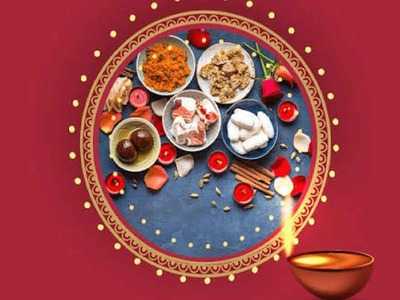 Recent enforcement crackdowns led by the Delhi Food Safety Department across commercial sweet hubs—including Chandni Chowk, Narela, Okhla, and Narayana—uncovered shocking non-compliance, including open garbage bins placed near preparation vats, active insect infestations, employees handling food without sanitization, and completely missing potable water purity certifications, putting festive households at immediate risk of severe foodborne illness.Toxic Fillers and Industrial Dyes: What Unscrupulous Sweetmakers Are Mixing into Your FoodIn a reckless pursuit of festive profit margins, rogue manufacturers utilize hazardous non-food compounds to artificially inflate the bulk weight and visual appeal of traditional sweets.Pure milk solids (mawa or khoya) are routinely diluted with cheap starch, wheat flour, refined palm oils, boiled mashed potatoes, commercial detergents, animal fats, and even synthetic urea. Equally alarming is the substitute used for edible silver leaf (vark); the supposed 99.9% pure silver foil is often swapped for toxic, industrial-grade aluminum foil. Furthermore, to impart an enticing, glossy sheen to jalebis, laddus, and pistachio-flavored sweets, illicit confectioners frequently spike batches with metanil yellow and malachite green—carcinogenic chemical textile dyes linked to organ toxicity and long-term cellular damage.Quick Home Authenticity Tests: How to Spot Counterfeit Sweets and Report ViolatorsConsumers can protect their households by running simple tactile and visual quality checks before serving store-bought sweets.Steer completely clear of confectionery items displaying unnaturally vivid or neon colors, as these almost universally signal the presence of prohibited synthetic dyes. To authenticate silver vark, gently touch or rub a sliver between your fingertips; genuine edible silver crumbles into microscopic specks and absorbs instantly, whereas counterfeit aluminum foil rolls into metallic flakes, adheres to the skin, or turns jet-black when briefly exposed to a match flame.Always examine sweets for rancid, sour odors or faint white mold blooms, purchase solely from FSSAI-licensed sweetshops, and verify manufacturing and shelf-life dates on boxed products. When encountering counterfeit or spoiled items, consumers can register immediate formal grievances through the National Consumer Helpline or the FSSAI "Food Safety Connect" mobile portal.Acute Food Poisoning Red Flags: When Mild Upset Stomachs Require Immediate Emergency CareConsuming microbiologically compromised or chemically laden sweets introduces aggressive microbial pathogens like Salmonella, Escherichia coli, and norovirus into the human gastrointestinal tract, causing symptoms within a few hours to several days after ingestion.While mild episodes involving watery diarrhea, mild abdominal cramping, nausea, intermittent vomiting, low-grade fever, and fatigue generally settle within 1 to 3 days under strict oral rehydration and rest, certain acute clinical presentations demand emergency hospital evaluation:Appearance of visible blood in vomit or stools.High fever exceeding 102°F (38.9°C) in children or 103°F (39.4°C) in adults.Intractable, continuous vomiting where oral fluids or water cannot be retained.Severe dehydration markers, including absolute absence of urination, extreme dry mouth, sunken eyes, or postural dizziness upon standing.Neurological complications, such as sudden blurred or double vision, acute muscle weakness, extremity tingling, or difficulty speaking and swallowing.Uncontrolled watery diarrhea extending beyond three full days without clinical improvement.
Next Story