
The Impact of Social Media on Mental Health: What You Need to Know

In today’s hyperconnected world, social media has woven itself into nearly every aspect of daily life. From sharing moments with friends to keeping up with global news, platforms like Instagram, TikTok, X (formerly Twitter), and Facebook offer constant streams of content and interaction. However, as our screen time increases, so do concerns about its psychological consequences. While social media can enhance communication and provide support, it also has the potential to negatively influence mental health. As we navigate this digital landscape, it's important to understand both the risks and rewards to make informed choices about how—and how much—we engage online.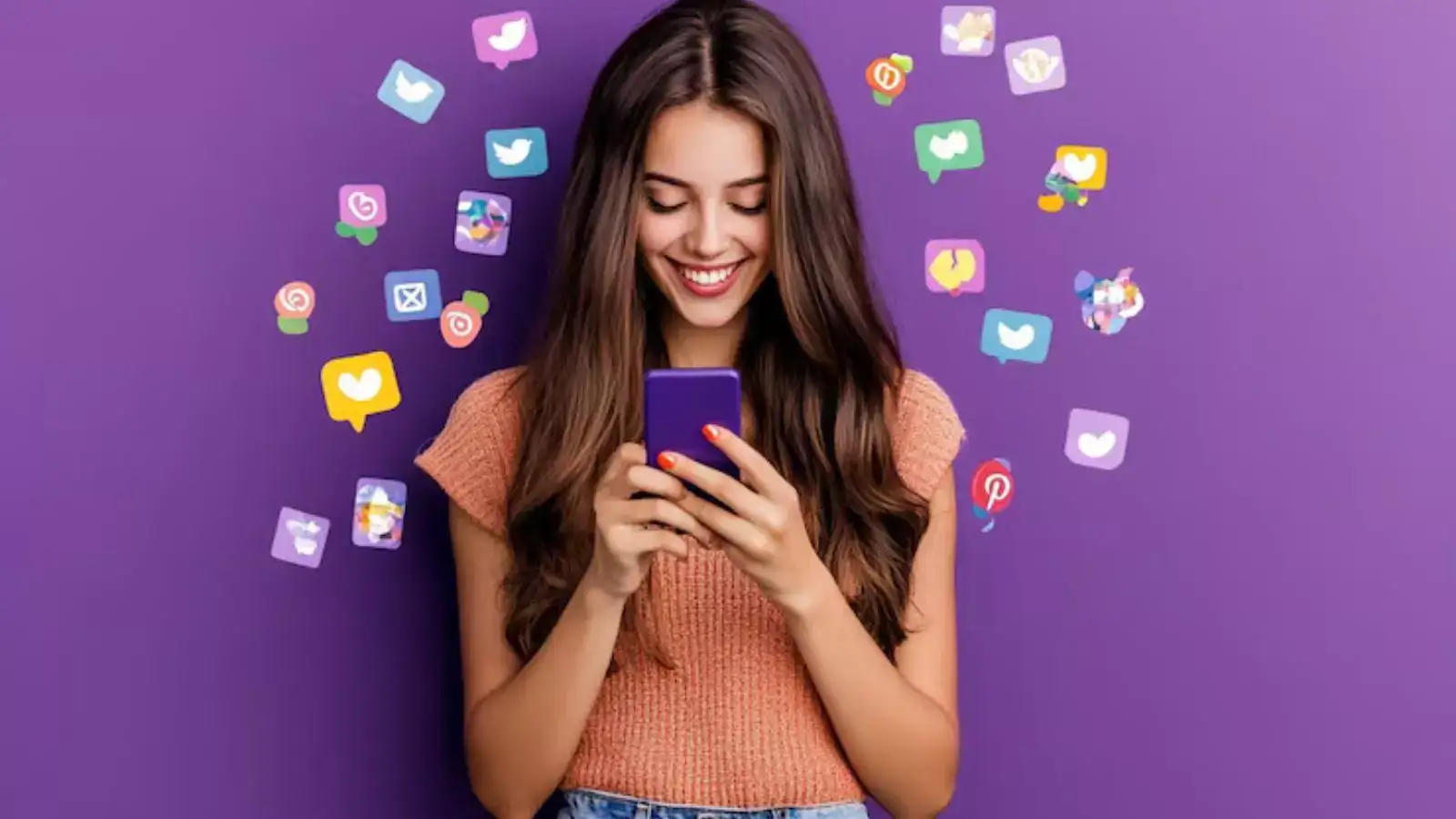
Before diving into the concerns, it's important to acknowledge the positive aspects of social media:
Despite its advantages, excessive or unregulated social media use has been linked to several mental health challenges:
Increased Anxiety and Depression
Numerous studies suggest a correlation between heavy social media use and increased levels of anxiety and depression, particularly among teens and young adults. The constant comparison to curated portrayals of others’ lives can lead to feelings of inadequacy, loneliness, and low self-esteem.
Cyberbullying and Online Harassment
Unlike traditional bullying, cyberbullying can occur 24/7 and reach a wide audience quickly. Victims often experience anxiety, depression, and even suicidal thoughts, especially if they feel there is no escape from online abuse.
Sleep Disruption
Late-night scrolling and the blue light emitted by screens can interfere with the body’s natural sleep cycle. Poor sleep quality is closely associated with negative mental health outcomes.
Addiction and Reduced Productivity
The design of many social media platforms encourages addictive behaviors through infinite scrolling and constant notifications. This can result in reduced productivity, increased stress, and a diminished ability to focus.
Fear of Missing Out (FOMO)
Seeing others enjoying activities or achievements can trigger FOMO, leading to anxiety and dissatisfaction with one’s own life. It can also encourage overuse of social media in an attempt to stay constantly connected.
Who Is Most at Risk?
Young people, particularly teenagers and adolescents, are most vulnerable to the negative effects of social media due to developmental factors and peer pressure. Additionally, individuals with existing mental health conditions may find their symptoms exacerbated by social media exposure.
Prioritize Offline Connections: Foster relationships and experiences in the real world, which offer deeper and more meaningful interaction.
Social media is neither wholly good nor entirely bad—it’s a tool, and like any tool, its impact depends on how we use it. By being aware of its potential effects on mental health and making conscious choices about our engagement, we can enjoy the benefits while protecting our emotional well-being.
If you or someone you know is struggling with mental health issues related to social media, reaching out to a mental health professional is a critical step toward support and recovery.
The Positive Side of Social Media
Before diving into the concerns, it's important to acknowledge the positive aspects of social media:
- Connectivity: Social media helps individuals stay in touch with friends and family, especially across long distances. It has been a lifeline during global events like the COVID-19 pandemic.
- Community Support: People can find and join supportive communities for everything from chronic illness to mental health recovery, fostering a sense of belonging.
- Awareness and Advocacy: Platforms have played a vital role in raising awareness about important issues, including mental health, helping to destigmatize seeking help.
The Downsides: How Social Media Can Harm Mental Health
Despite its advantages, excessive or unregulated social media use has been linked to several mental health challenges:
Increased Anxiety and Depression
Numerous studies suggest a correlation between heavy social media use and increased levels of anxiety and depression, particularly among teens and young adults. The constant comparison to curated portrayals of others’ lives can lead to feelings of inadequacy, loneliness, and low self-esteem.
Cyberbullying and Online Harassment
Unlike traditional bullying, cyberbullying can occur 24/7 and reach a wide audience quickly. Victims often experience anxiety, depression, and even suicidal thoughts, especially if they feel there is no escape from online abuse.
Sleep Disruption
Late-night scrolling and the blue light emitted by screens can interfere with the body’s natural sleep cycle. Poor sleep quality is closely associated with negative mental health outcomes.
You may also like
- Parenting: The perfect morning routine for school-going children—say goodbye to the morning rush..
- Raksha Bandhan 2026: What is the best time from dawn to dusk to tie a rakhi to your brother on Raksha Bandhan? Find out
- Why are banks closed today, Tuesday? Find out why the RBI has declared a holiday.
- EPFO: Great news for employees! EPFO has introduced a special scheme; find out how to claim your long-pending PF..
- Today's Birthday : 25th August 2026
Addiction and Reduced Productivity
The design of many social media platforms encourages addictive behaviors through infinite scrolling and constant notifications. This can result in reduced productivity, increased stress, and a diminished ability to focus.
Fear of Missing Out (FOMO)
Seeing others enjoying activities or achievements can trigger FOMO, leading to anxiety and dissatisfaction with one’s own life. It can also encourage overuse of social media in an attempt to stay constantly connected.
Who Is Most at Risk?
Young people, particularly teenagers and adolescents, are most vulnerable to the negative effects of social media due to developmental factors and peer pressure. Additionally, individuals with existing mental health conditions may find their symptoms exacerbated by social media exposure.
What You Can Do: Strategies for Healthy Social Media Use
- Set Time Limits: Use app timers or digital wellbeing tools to limit your daily social media use.
- Curate Your Feed: Follow accounts that inspire and uplift you. Unfollow or mute those that cause stress or negativity.
- Take Regular Breaks: Consider periodic "digital detoxes" to reset your mental space.
- Engage Mindfully: Use social media intentionally rather than habitually. Ask yourself why you’re logging on.
Prioritize Offline Connections: Foster relationships and experiences in the real world, which offer deeper and more meaningful interaction.
Social media is neither wholly good nor entirely bad—it’s a tool, and like any tool, its impact depends on how we use it. By being aware of its potential effects on mental health and making conscious choices about our engagement, we can enjoy the benefits while protecting our emotional well-being.
If you or someone you know is struggling with mental health issues related to social media, reaching out to a mental health professional is a critical step toward support and recovery.






Loving Newspoint? Download the app now
