
Why Indian Homes Are Deep Cleaned Before Festivals

Festivals in India are rarely limited to what happens on the day of celebration. In many homes, preparations begin several days in advance, with families cleaning, organising, decorating and making small changes around the house.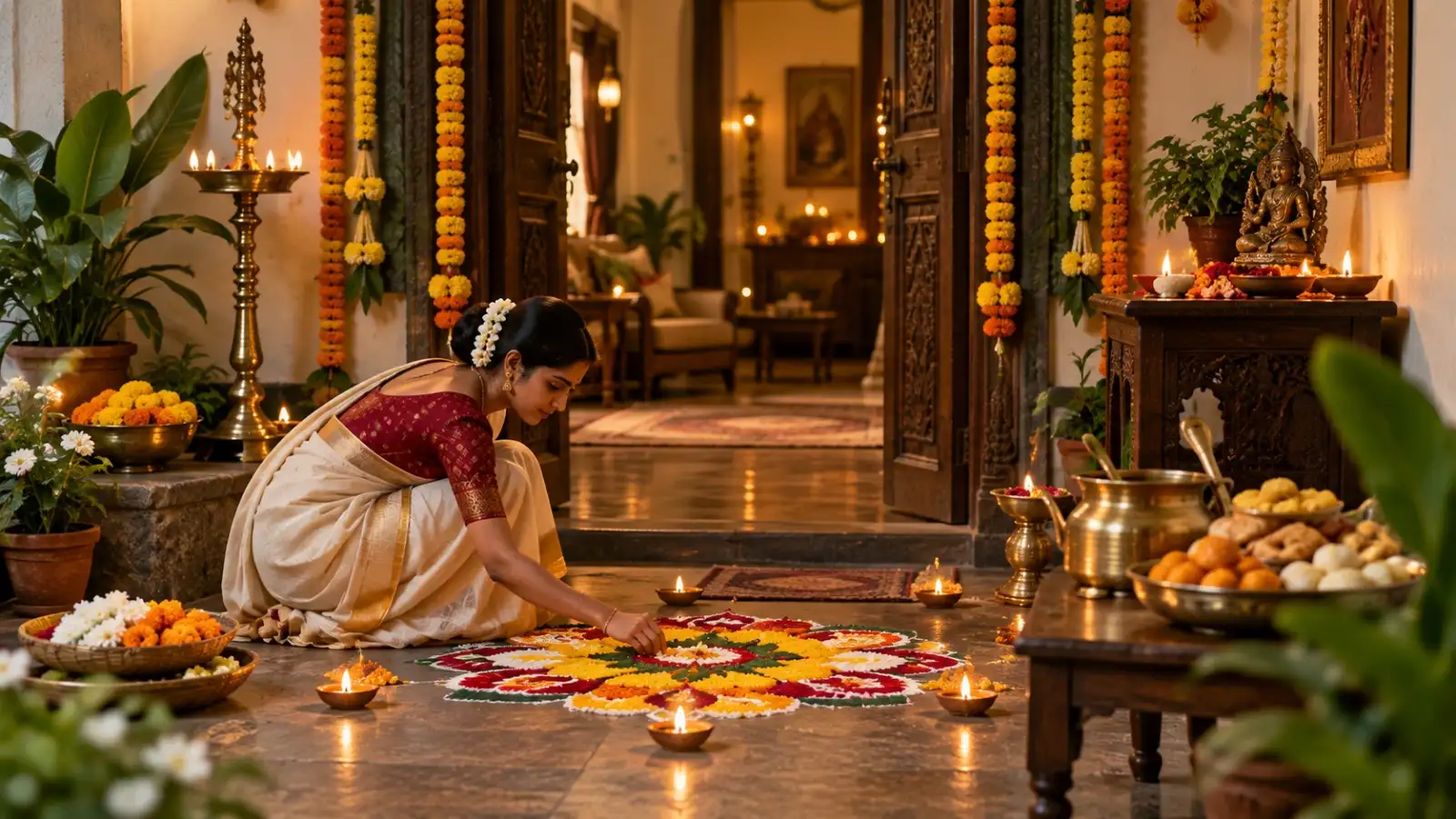
These practices are not only about making the home look beautiful. Many have been passed down through generations and are connected with ideas of renewal, cleanliness, hospitality and starting a new phase on a positive note.
The exact customs differ between communities and regions, but these seven practices are common across many Indian households.
Cupboards are emptied, shelves are wiped, windows are cleaned and corners that are often ignored during everyday cleaning finally receive attention.
For many families, this is more than a practical task. Cleaning before a festival represents the idea of clearing away old clutter and making the home feel fresh before welcoming a new beginning.
It can also be a useful opportunity to donate clothes, books and household items that are no longer needed.
Floors and doorways may be washed or carefully cleaned, while the main door can be decorated with flowers, torans or other traditional decorations.
In many Indian traditions, the entrance is considered an important part of the home because it is where guests enter and where the household welcomes auspicious occasions.
Even a simple clean doorway can make the entire home feel more festive.
Families use coloured powders, rice flour, flower petals or other materials to create patterns near entrances and in courtyards.
The designs vary greatly depending on the region and festival. Some are simple geometric patterns, while others can be elaborate and highly detailed.
For many families, making the design is also a shared activity, with children and older family members often joining in.
Marigolds, mango leaves and other locally available flowers and leaves may be used to decorate entrances, prayer areas, windows or rooms.
Apart from their visual appeal, flowers have long been associated with celebrations and religious ceremonies across India.
A few strings of fresh flowers can completely change the atmosphere of a home without requiring elaborate decoration.
Prayer items are arranged, lamps are cleaned and fresh flowers may be kept ready. Some families also prepare specific offerings or ingredients in advance.
The details vary considerably according to the festival and family tradition, but the common idea is to create a clean and peaceful space for the ceremony.
Brass lamps, silver utensils, traditional serving dishes, decorative diyas and family heirlooms may be cleaned and placed around the home.
Some families also use special tableware or serving dishes reserved for guests and festive meals.
These objects can carry memories of previous celebrations, making them part of the family's traditions rather than simply decorations.
Before cooking begins, families may clean storage containers, organise ingredients and make space for preparing several dishes at once.
Traditional sweets, snacks and savoury dishes may be prepared at home, depending on the festival and family customs.
In many households, recipes are passed down from grandparents and parents, so festival cooking becomes a way of keeping those food traditions alive.
For some people, they are connected to religious beliefs. For others, they are simply familiar family traditions that make the season feel special.
There is also something satisfying about entering a festival with a clean home, fresh decorations and a kitchen ready for cooking. The preparation itself becomes part of the celebration.
Whether it is a carefully made rangoli, a freshly cleaned brass lamp or a family recipe being prepared in the kitchen, these small traditions help create the feeling that something important is about to begin.
These practices are not only about making the home look beautiful. Many have been passed down through generations and are connected with ideas of renewal, cleanliness, hospitality and starting a new phase on a positive note.
The exact customs differ between communities and regions, but these seven practices are common across many Indian households.
Deep Cleaning the House
One of the most familiar pre festival traditions is giving the home a thorough cleaning.Cupboards are emptied, shelves are wiped, windows are cleaned and corners that are often ignored during everyday cleaning finally receive attention.
For many families, this is more than a practical task. Cleaning before a festival represents the idea of clearing away old clutter and making the home feel fresh before welcoming a new beginning.
It can also be a useful opportunity to donate clothes, books and household items that are no longer needed.
Washing and Refreshing the Entrance
The entrance is often given special attention before an important festival.Floors and doorways may be washed or carefully cleaned, while the main door can be decorated with flowers, torans or other traditional decorations.
In many Indian traditions, the entrance is considered an important part of the home because it is where guests enter and where the household welcomes auspicious occasions.
Even a simple clean doorway can make the entire home feel more festive.
Making Rangoli or Kolam
Creating a rangoli, kolam or similar floor design is a popular tradition in many parts of India.Families use coloured powders, rice flour, flower petals or other materials to create patterns near entrances and in courtyards.
The designs vary greatly depending on the region and festival. Some are simple geometric patterns, while others can be elaborate and highly detailed.
For many families, making the design is also a shared activity, with children and older family members often joining in.
Decorating With Flowers
Fresh flowers are another common part of festival preparation.Marigolds, mango leaves and other locally available flowers and leaves may be used to decorate entrances, prayer areas, windows or rooms.
Apart from their visual appeal, flowers have long been associated with celebrations and religious ceremonies across India.
A few strings of fresh flowers can completely change the atmosphere of a home without requiring elaborate decoration.
Preparing the Puja Space
For families who perform prayers or religious rituals during festivals, the puja area is usually cleaned and organised beforehand.Prayer items are arranged, lamps are cleaned and fresh flowers may be kept ready. Some families also prepare specific offerings or ingredients in advance.
The details vary considerably according to the festival and family tradition, but the common idea is to create a clean and peaceful space for the ceremony.
Bringing Out Traditional Utensils and Decorations
Festivals can be a reason to bring out objects that remain stored for much of the year.Brass lamps, silver utensils, traditional serving dishes, decorative diyas and family heirlooms may be cleaned and placed around the home.
You may also like
- The death of beige: Why colour is coming back into Indian homes
- Why Alia Bhatt has been sending emails to daughter Raha since her birth: “When she's 15, I'd give this to her and say…”
- Trains Cancelled: Over 17 trains cancelled from September 24 to October 4; passengers should check the list.
- Solar panels can be insured too—will you get a payout for theft or damage?
- EPF Scheme: Government May Reduce PF Contributions for 3 Months
Some families also use special tableware or serving dishes reserved for guests and festive meals.
These objects can carry memories of previous celebrations, making them part of the family's traditions rather than simply decorations.
Preparing the Kitchen for Festive Cooking
The kitchen often becomes one of the busiest parts of the home during a festival.Before cooking begins, families may clean storage containers, organise ingredients and make space for preparing several dishes at once.
Traditional sweets, snacks and savoury dishes may be prepared at home, depending on the festival and family customs.
In many households, recipes are passed down from grandparents and parents, so festival cooking becomes a way of keeping those food traditions alive.
Why These Preparations Still Matter
Modern life has changed how Indian families celebrate festivals, but many of these home preparation rituals have survived.For some people, they are connected to religious beliefs. For others, they are simply familiar family traditions that make the season feel special.
There is also something satisfying about entering a festival with a clean home, fresh decorations and a kitchen ready for cooking. The preparation itself becomes part of the celebration.
Whether it is a carefully made rangoli, a freshly cleaned brass lamp or a family recipe being prepared in the kitchen, these small traditions help create the feeling that something important is about to begin.






Loving Newspoint? Download the app now
