
The Indian Dishes That Were Created in Royal Kitchens

Long before restaurants began competing over tasting menus, India's royal kitchens were laboratories of food. Nawabs, emperors and regional rulers employed teams of cooks, specialists and kitchen staff who experimented with ingredients, cooking times and presentation. Some famous dishes became closely associated with these courts, while others evolved as royal recipes met local ingredients and tastes. The result was not a single "royal cuisine" but a fascinating collection of culinary traditions, particularly in places such as Awadh, Delhi, Hyderabad and Rajasthan. Their influence is still visible on Indian menus today.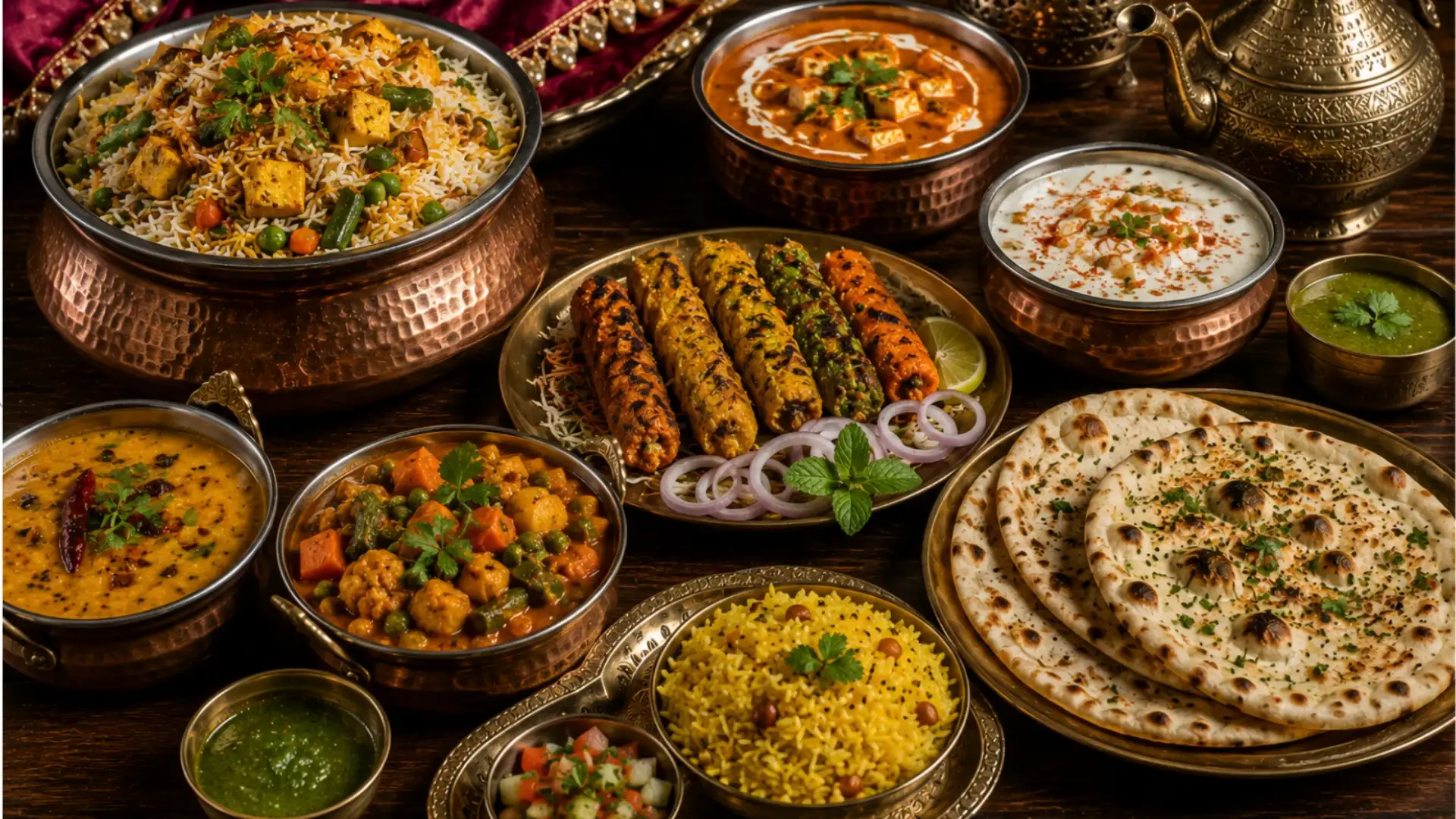
Historical accounts describe elaborate kitchen hierarchies, with ordinary cooks working alongside highly skilled rakabdars who prepared specialised dishes for members of the court. Large copper cauldrons were used for slow cooking, while delicate preparations were made in smaller vessels.
The broader Awadhi tradition also gave India elaborate forms of korma, pulao and slow-cooked dishes.
It is worth remembering, however, that many dishes now described as "royal creations" developed gradually rather than being invented by one person on one particular day.
That journey explains why food once prepared for rulers can now be bought on an ordinary street.
Royal cuisine survived because it escaped the palace. Its greatest achievement may be that dishes created for a privileged few eventually became part of India's shared culinary inheritance.
The Extraordinary Kitchens of Awadh
Lucknow's Awadhi cuisine is perhaps the clearest example. The royal kitchens of the Nawabs developed a sophisticated culinary culture in which cooking was treated as an art involving aroma, appearance, texture and taste.Historical accounts describe elaborate kitchen hierarchies, with ordinary cooks working alongside highly skilled rakabdars who prepared specialised dishes for members of the court. Large copper cauldrons were used for slow cooking, while delicate preparations were made in smaller vessels.
Kebabs and the Legend of Galawati
The galawati kebab is famously associated with Awadh and is traditionally linked to the needs of an ageing Nawab whose teeth had deteriorated. The story has become part of Lucknow's culinary folklore, while the dish itself represents the extraordinary lengths royal cooks went to create exceptionally soft meat preparations.The broader Awadhi tradition also gave India elaborate forms of korma, pulao and slow-cooked dishes.
You may also like
- Anand Mahindra says, “How could this state not be on top of the travel bucket list?” as 5-year-old Yato Wangnao stuns the world with his National Anthem
- A town in the Netherlands will not let you live there unless you grow food on at least half of your land
- From beauty to self-care: Cosmetics are becoming everyday essentials
- Four things every diner should check before ordering food
- In Pune's Camp area, Solanki Booksellers has become an iconic landmark for bibliophiles
Mughal Influence Changed Indian Food
Mughal cuisine introduced and blended Central Asian and Persian culinary influences with Indian ingredients and techniques. Pilau-style rice preparations, yoghurt-marinated meats, dried fruits, nuts and sophisticated braising methods became part of an evolving Indo-Persian culinary tradition.It is worth remembering, however, that many dishes now described as "royal creations" developed gradually rather than being invented by one person on one particular day.
When Royal Food Entered Everyday Life
The most fascinating part of this history is what happened after royal courts declined. Cooks and culinary traditions travelled to cities, private households and market kitchens. Lucknow's famous kebab culture, for example, eventually became part of everyday urban food life.That journey explains why food once prepared for rulers can now be bought on an ordinary street.
Royal cuisine survived because it escaped the palace. Its greatest achievement may be that dishes created for a privileged few eventually became part of India's shared culinary inheritance.






Loving Newspoint? Download the app now
