
The Indian Region Where Houses Seem to Disappear Into the Landscape

In some parts of India, houses stand out against their surroundings with bright colours, distinctive roofs and modern concrete walls. But travel into the higher Himalayas and the relationship between homes and nature can look completely different. In Spiti Valley, Himachal Pradesh, traditional houses often appear to grow directly from the mountains. Built with earth, stone and other locally available materials, many structures use colours and forms that closely resemble the surrounding terrain. From a distance, a village can almost disappear into a hillside. This unusual architecture is not simply an aesthetic choice. It is the result of centuries of adaptation to cold, dry weather and limited local resources.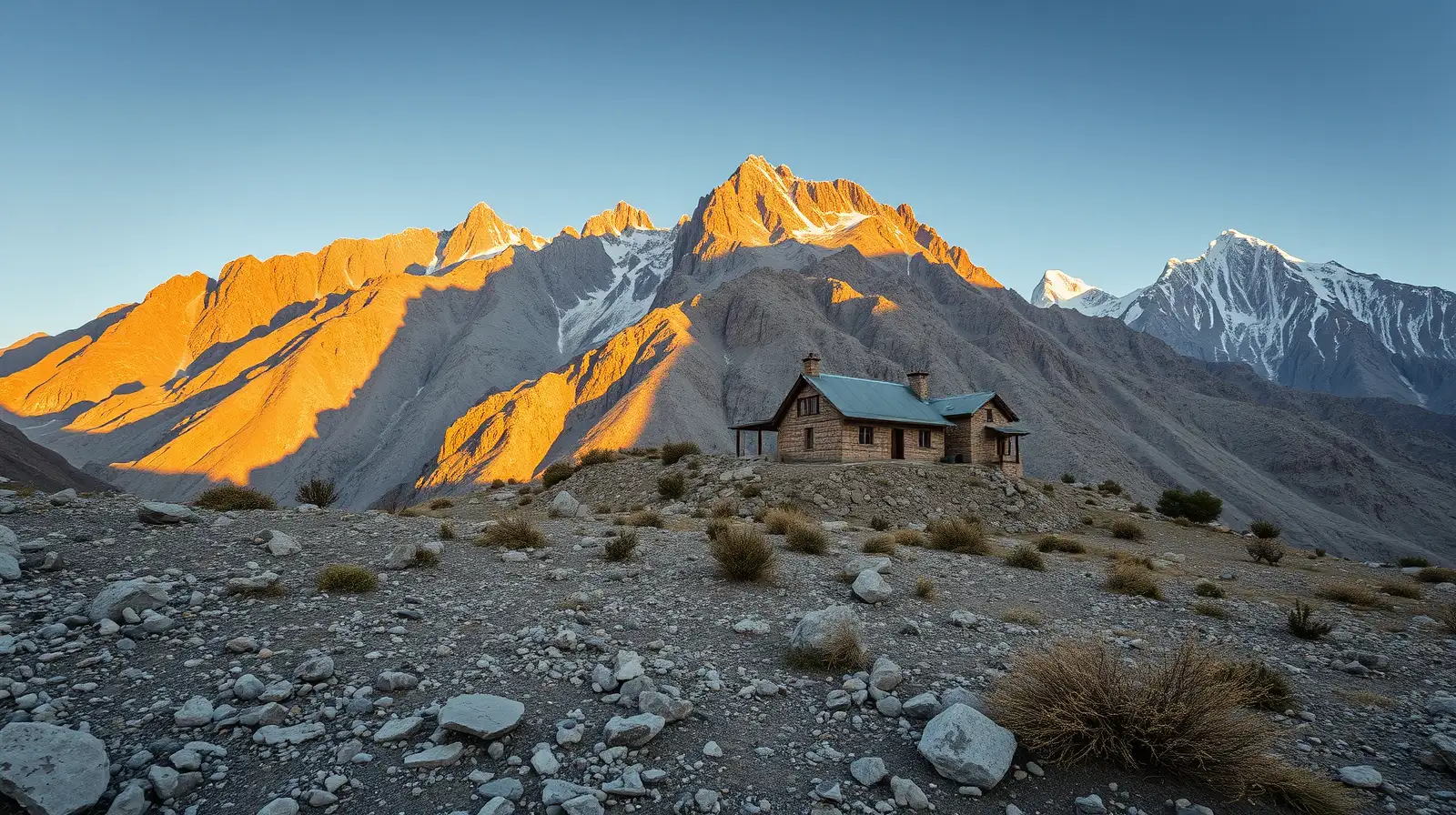
Traditional settlements developed around these environmental conditions. Homes were commonly constructed using stone, mud and timber, materials that could be obtained locally and adapted to the demanding climate.
The earthy colours of these buildings can make them surprisingly difficult to distinguish from the surrounding slopes, particularly when viewed from a distance.
Mud and earth can provide useful insulation against the severe cold experienced during winter. Thick walls help reduce heat loss, while relatively small openings limit exposure to cold winds.
Many traditional homes were also designed around compact interiors. Living areas, storage spaces and livestock facilities could be arranged to make efficient use of limited space and resources.
What looks like minimalist architecture today was essentially a sophisticated response to the environment.
Agriculture in Spiti depends heavily on snowmelt and streams. Villages therefore developed around reliable water sources, allowing residents to cultivate crops during the short summer growing season.
Barley, peas and other hardy crops are traditionally grown in irrigated fields. From a distance, these small green patches can look almost surreal against the surrounding barren mountains.
The village and its landscape are therefore closely connected through both architecture and agriculture.
Monasteries such as Tabo and Dhankar have been important religious and cultural centres for centuries. Their distinctive structures rise above or merge visually with the surrounding mountains.
Whitewashed walls and simple geometric forms are common in the region, although individual villages have their own architectural details.
The result is a built environment that feels remarkably integrated with the natural landscape.
Modern homes can provide greater convenience and easier access to services, but they can also look more visually prominent against the natural terrain.
For this reason, preserving traditional architectural knowledge is becoming part of the wider conversation around sustainable tourism and cultural conservation in the Himalayas.
As tourism grows, understanding this relationship becomes important. Visitors are not simply entering a scenic mountain destination. They are entering a landscape where homes, farms, monasteries and mountains have evolved together.
Where Architecture Blends With the Mountains
Spiti is a high-altitude cold desert where vegetation is limited and the landscape is dominated by exposed rock and earth.Traditional settlements developed around these environmental conditions. Homes were commonly constructed using stone, mud and timber, materials that could be obtained locally and adapted to the demanding climate.
The earthy colours of these buildings can make them surprisingly difficult to distinguish from the surrounding slopes, particularly when viewed from a distance.
Why Houses Were Built This Way
The appearance of Spiti's traditional homes is closely connected with practicality.Mud and earth can provide useful insulation against the severe cold experienced during winter. Thick walls help reduce heat loss, while relatively small openings limit exposure to cold winds.
Many traditional homes were also designed around compact interiors. Living areas, storage spaces and livestock facilities could be arranged to make efficient use of limited space and resources.
What looks like minimalist architecture today was essentially a sophisticated response to the environment.
Villages Built Around Water
Water is another major influence on settlement patterns.Agriculture in Spiti depends heavily on snowmelt and streams. Villages therefore developed around reliable water sources, allowing residents to cultivate crops during the short summer growing season.
Barley, peas and other hardy crops are traditionally grown in irrigated fields. From a distance, these small green patches can look almost surreal against the surrounding barren mountains.
The village and its landscape are therefore closely connected through both architecture and agriculture.
The Influence of Tibetan Buddhist Culture
Spiti's landscape is also shaped by its Buddhist heritage.Monasteries such as Tabo and Dhankar have been important religious and cultural centres for centuries. Their distinctive structures rise above or merge visually with the surrounding mountains.
You may also like
- In the 1630s, people paid fortunes for tulip bulbs: How a flower became one of history's strangest investments
- His passport had expired before his flight; then Dubai Airport (DBX) renewed it in just 8 minutes; here's how the little-known service works
- 39 wives, 94 children and a four-storey mansion: The story of Ziona Chana, the Mizoram man who once headed the 'world's biggest family'
- EPFO will now provide updates to account holders via a WhatsApp channel; learn the easy way to join..
- This gang has already circulated counterfeit ₹10 and ₹20 coins worth ₹70 crore; here is how to spot fake coins in two minutes..
Whitewashed walls and simple geometric forms are common in the region, although individual villages have their own architectural details.
The result is a built environment that feels remarkably integrated with the natural landscape.
A Landscape Changing With Modernisation
Traditional construction is increasingly accompanied by modern concrete buildings, especially as roads, tourism and infrastructure improve.Modern homes can provide greater convenience and easier access to services, but they can also look more visually prominent against the natural terrain.
For this reason, preserving traditional architectural knowledge is becoming part of the wider conversation around sustainable tourism and cultural conservation in the Himalayas.
Why This Matters Today
Spiti's traditional homes demonstrate that architecture does not always need to dominate its surroundings. For generations, local communities created buildings that responded directly to climate, available materials and geography.As tourism grows, understanding this relationship becomes important. Visitors are not simply entering a scenic mountain destination. They are entering a landscape where homes, farms, monasteries and mountains have evolved together.






Loving Newspoint? Download the app now
