The Indian State Where Rice Is Prepared in Dozens of Traditional Ways

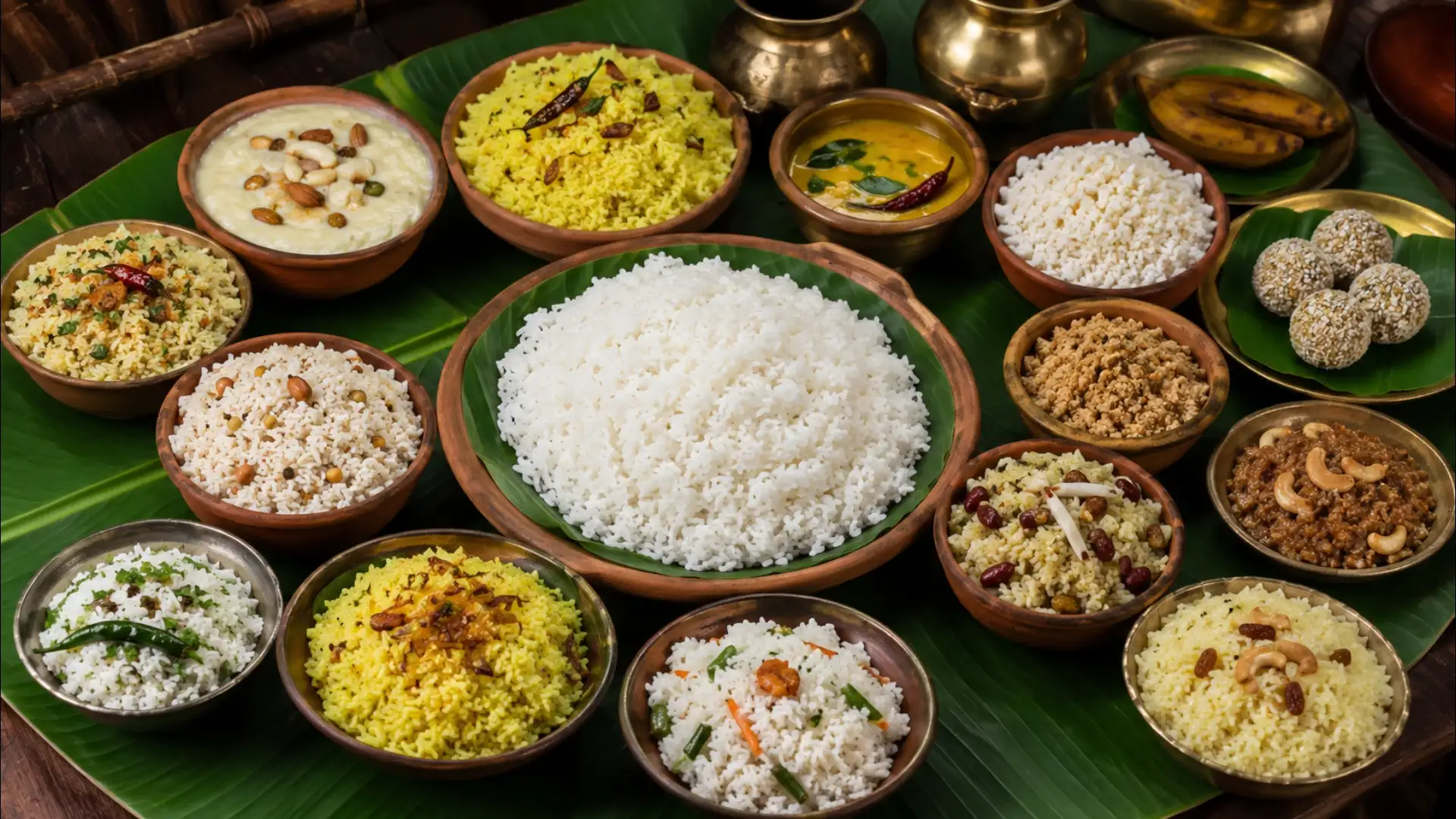
Rice may look like one of the simplest ingredients in Indian cooking, but in Kerala it can become an astonishing variety of foods. It is steamed, ground, fermented, soaked, pounded, roasted and transformed into dishes with completely different textures and flavours. From soft appam and layered puttu to fermented idiyappam and traditional rice-based snacks, the grain has become deeply woven into Kerala's food culture. This diversity is not simply the result of creative cooking. It reflects the state's wet tropical climate, rice-growing traditions, coconut-rich landscape and centuries of culinary knowledge passed through households and communities.
Hero Image


Rice Became Central to Kerala's Food Culture

Kerala's climate and extensive network of rivers, backwaters and wetlands have historically supported rice cultivation.

For generations, rice was more than a staple accompaniment. It became the foundation for everyday meals, festive dishes and traditional snacks.


The grain could be processed in different ways to create foods suited to different occasions. Rice flour could be steamed, fermented or combined with coconut. Whole grains could be cooked alongside vegetables, pulses or fish.

This flexibility helped rice become one of the defining ingredients of Kerala cuisine .


Puttu Shows How Simple Ingredients Can Change Completely

Puttu is one of the best-known examples of Kerala's rice-based culinary tradition. Rice flour is layered with grated coconut and steamed in a cylindrical vessel.

The result is nothing like a conventional bowl of cooked rice. It has a distinctive crumbly yet soft texture and is commonly eaten with combinations such as kadala curry, bananas or other accompaniments.

What makes puttu particularly interesting is the technique. Steam, rather than direct boiling or frying, transforms the rice flour into the finished dish.

Appam Depends on Fermentation

Appam offers another example of how dramatically rice can change through processing.


The batter traditionally uses rice and other ingredients and is fermented before cooking. It is then spread in a pan to create a thin, lacy edge surrounding a softer centre.

Fermentation gives the dish its characteristic flavour and texture. Appam is often paired with vegetable or meat-based curries, creating a meal that looks completely different from the rice-and-curry combination familiar elsewhere in India.

Rice Also Became Part of Snacks and Sweets

Kerala's rice traditions extend well beyond breakfast and main meals.

Rice flour appears in numerous snacks, steamed preparations and sweets. Different communities have developed their own versions, often incorporating coconut, jaggery, bananas, spices or other locally available ingredients.

Festivals and religious occasions have further expanded the repertoire, giving particular preparations cultural significance beyond their taste.


Why So Many Variations Survived

The remarkable variety exists because rice is extremely adaptable. The same grain can be left whole, ground into flour, fermented or combined with other ingredients.

Local agriculture then adds another layer. Kerala's abundant coconut production, tropical fruits, spices and seafood provide ingredients that can transform the basic rice preparation into something entirely different.

Today, modern diets may be more diverse and convenience foods more common, but these traditional preparations remain an important part of Kerala's culinary identity.

The deeper lesson is simple: a grain does not need dozens of different varieties to create dozens of dishes. Sometimes, all it needs is time, technique and generations of people willing to experiment with what grows around them.