Less Online, More Present: The New Social Media Mindset

For over a decade, social media status has been measured by visibility, speed, and immediate responsiveness. Promptly answering instant messages, replying to story mentions within minutes, and keeping digital profiles constantly active have signaled importance and popularity. Being logged on was treated as the default state of life. However, as continuous notifications, group chats, and algorithm-driven alerts overwhelm daily life, an unexpected cultural mindset is taking root across online communities. Today, stepping away from the endless stream of notifications and becoming intentionally unavailable has emerged as a major lifestyle statement. Understanding why the new social media flex is being unreachable reveals a widespread movement toward emotional boundaries, mental clarity, and personal autonomy.
Hero Image


Breaking the cycle of instant availability and constant anxiety

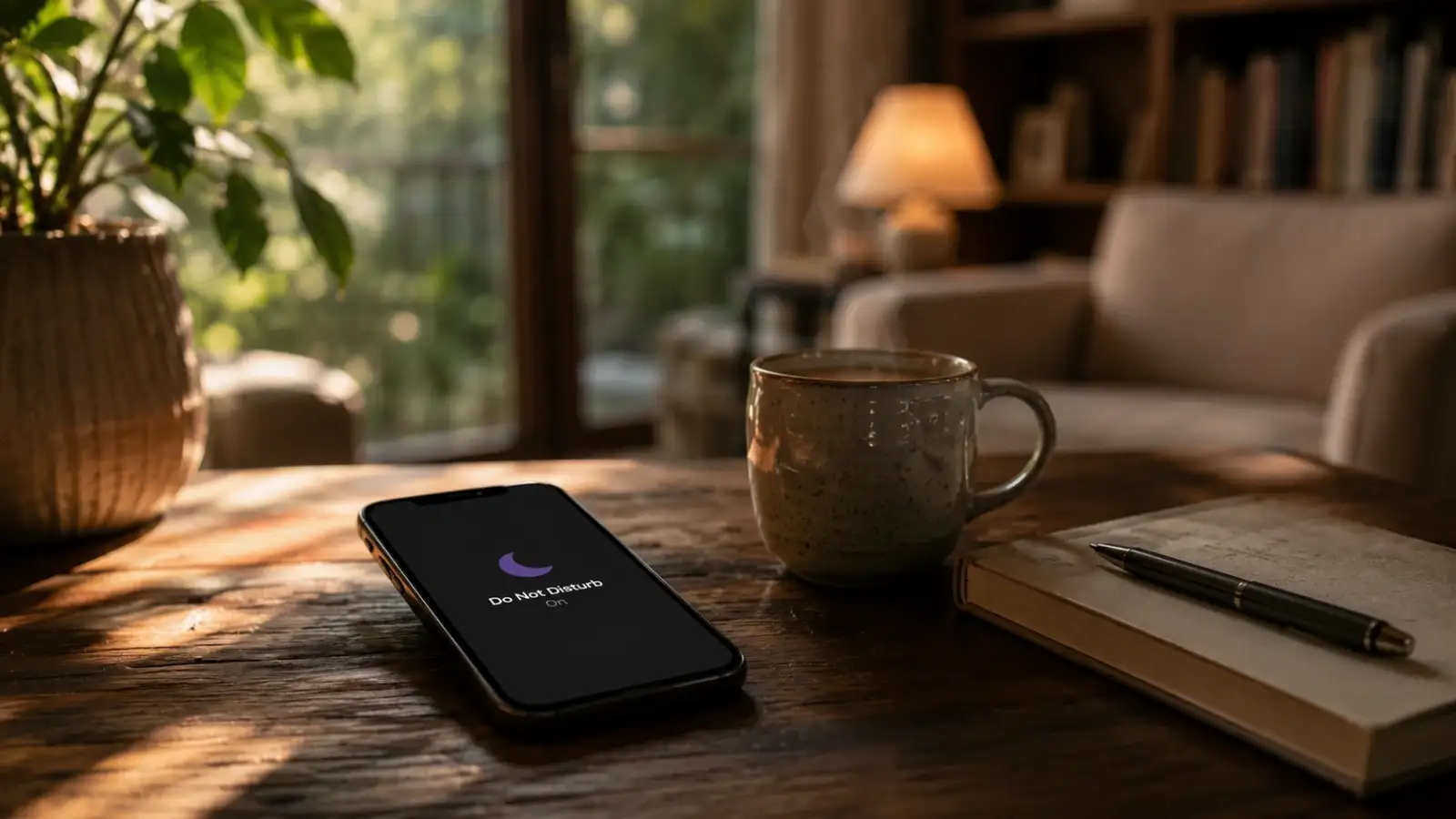
The rise of portable smartphones created an unwritten social expectation that every individual should be accessible twenty-four hours a day. Leaving a text message on read or letting a social media DM sit for hours often generated subtle guilt or social friction. This relentless state of high alert can keep the human nervous system under continuous low-grade stress, turning personal devices into demanding digital leashes. Recognizing this psychological drain, individuals are actively dismantling the habit of immediate replies. Choosing to delay responses or put a phone into Do Not Disturb mode sets a healthy boundary, proving that mental peace takes priority over someone else's immediate desire for attention.

Setting quiet boundaries without public explanations

In the past, taking a break from digital platforms was often accompanied by dramatic announcements or public posts declaring an upcoming digital detox. Today, modern internet users prefer a quieter, far more sophisticated approach. There is no need to post a status update explaining an absence. Instead, people simply turn off read receipts, mute notification badges, and close social apps without warning. This subtle behavior signals self-confidence. It demonstrates that people do not need to constantly broadcast their existence to feel validated. Existing comfortably in the real-world environment without keeping an online audience updated has become a sign of emotional maturity.


Protecting deep focus and authentic real-life presence

Constant digital interruptions fragment attention spans, making it nearly impossible to experience deep focus or enjoy physical moments. Whether working on a creative project, sharing a quiet dinner with close friends, or enjoying a walk in nature, checking a buzzing screen can break sensory immersion. Cultivating periods when one is completely unreachable allows the mind to settle and focus entirely on the present moment. Deep focus, uninterrupted rest, and authentic offline conversations have become rare luxuries in an overstimulated society. Protecting personal time enables people to engage far more deeply with the physical world around them.

Reclaiming time and personal peace as modern status symbols

Ultimately, the choice to become unreachable represents a fundamental shift in how modern luxury is defined. True status is no longer demonstrated by how many messages fill an inbox or how many followers track someone's daily whereabouts. Instead, it is measured by the ability to control one's schedule, protect one's mental space, and disconnect from digital demands without feeling anxious. The new social media flex is being unreachable, reminding us that being fully present in our own lives is infinitely more rewarding than being constantly available to the entire world.