
The Places Where Night Does Not Come for Months: Inside the Midnight Sun

Imagine looking at your clock at midnight and seeing a bright sky outside your window. You eat dinner in daylight, go for a walk at 1am and wake up to sunlight without experiencing a traditional night. For people living near the Earth's poles, this is not science fiction. It is a seasonal reality known as the midnight sun . In the far north and south, the Sun can remain above the horizon for weeks or even months. The phenomenon is beautiful, but living through it can also change sleep, work and everyday routines.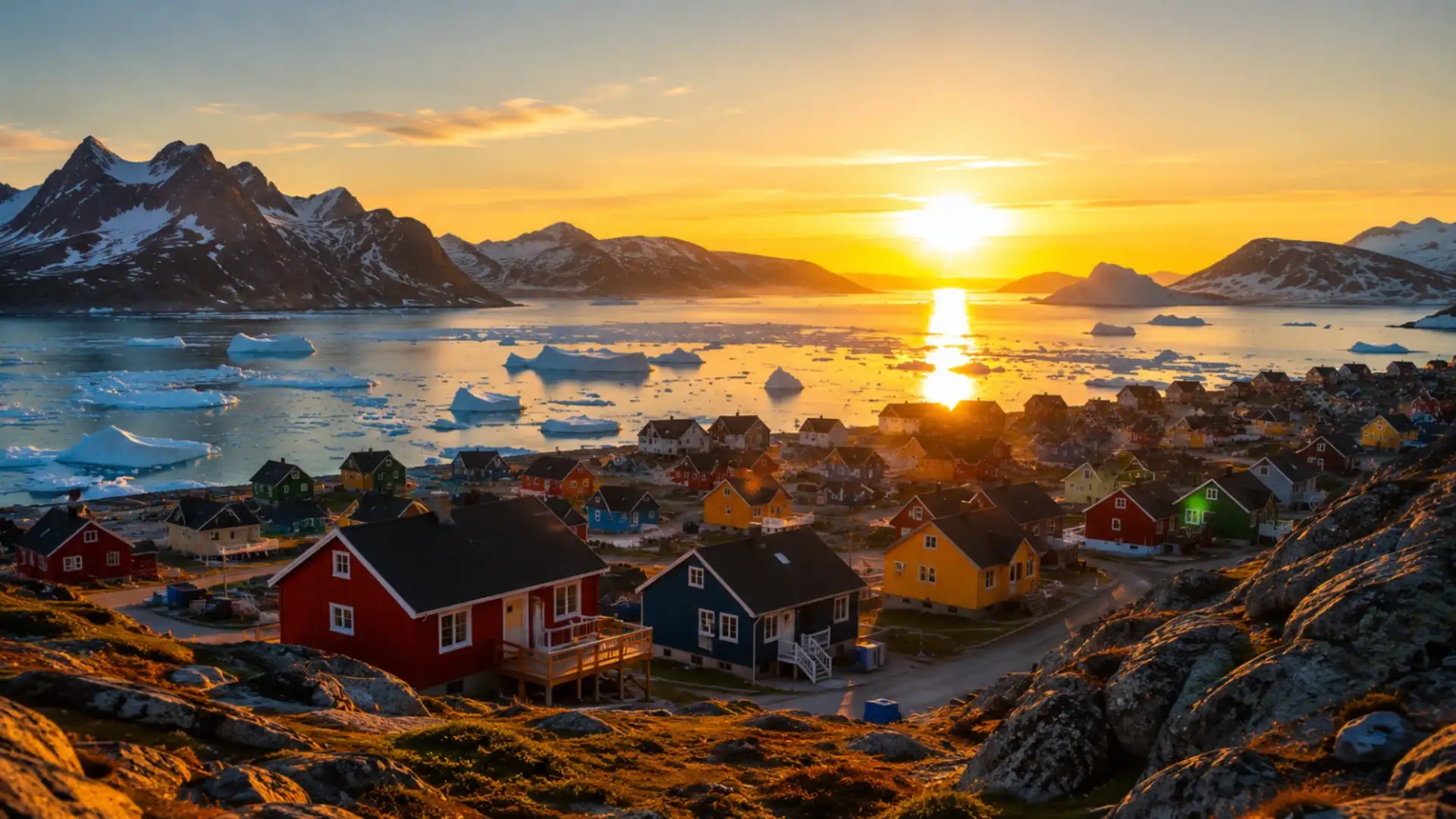
During summer, the Northern Hemisphere tilts towards the Sun. Near the Arctic Circle , the Sun can remain above the horizon continuously.
The closer a location is to the North or South Pole, the longer this period can last.
At the North Pole itself, the Sun can remain above the horizon for approximately six months before setting and eventually disappearing for a similarly long period.
But constant daylight can interfere with the body's natural sleep rhythm . Without darkness acting as a strong environmental signal, some people may struggle to fall asleep.
Residents often use blackout curtains or eye masks to create an artificial night.
Importantly, "no sunrise" does not necessarily mean complete darkness all day. Twilight can still illuminate the sky around midday.
The midnight sun is therefore more than a strange travel experience. It is a powerful reminder that Earth's familiar day-night cycle changes dramatically depending on where you live.
Why the Sun Does Not Set
Earth is tilted on its axis by roughly 23.5 degrees. As our planet travels around the Sun, this tilt causes different regions to receive varying amounts of sunlight throughout the year.During summer, the Northern Hemisphere tilts towards the Sun. Near the Arctic Circle , the Sun can remain above the horizon continuously.
The closer a location is to the North or South Pole, the longer this period can last.
Where It Happens
The midnight sun occurs in regions within the Arctic and Antarctic Circles. Places such as northern Norway, Sweden, Finland, Greenland and parts of Alaska and Canada experience periods of continuous daylight.You may also like
- Health Tips: These are the main symptoms of swine flu, do not ignore them
- Health Tips: To get rid of fatty liver problems, include these three things in your diet today
- Union Minister Kiren Rijiju responds to Arunachal girl's cute request, “Humko Indian bolo”: “You have become famous; the whole of India loves you”
- High heels were originally made for men, here's surprising story
- 5 Cucumber Skincare Secrets for Fresh, Glowing Skin
At the North Pole itself, the Sun can remain above the horizon for approximately six months before setting and eventually disappearing for a similarly long period.
What Is It Like to Live With Constant Daylight?
The phenomenon can be wonderful for tourism and outdoor activities. People can hike, fish or explore landscapes at times when most of the world would normally be asleep.But constant daylight can interfere with the body's natural sleep rhythm . Without darkness acting as a strong environmental signal, some people may struggle to fall asleep.
Residents often use blackout curtains or eye masks to create an artificial night.
The Opposite Happens in Winter
The same tilt that produces the midnight sun also causes polar night . During winter, some polar regions can go without direct sunlight for extended periods.Importantly, "no sunrise" does not necessarily mean complete darkness all day. Twilight can still illuminate the sky around midday.
The midnight sun is therefore more than a strange travel experience. It is a powerful reminder that Earth's familiar day-night cycle changes dramatically depending on where you live.






Loving Newspoint? Download the app now
