
The Places Where Two Countries Share the Same Street

Imagine walking down an ordinary street and crossing an international border without passing through a checkpoint. There may be no fence, passport control or dramatic change in the landscape. Instead, a line on the pavement quietly tells you that you are now in another country. This sounds unusual enough, but in Baarle, on the Belgium-Netherlands border, international boundaries become even more complicated. They pass through roads, gardens and buildings, creating one of the world's strangest examples of everyday life shaped by geography and history.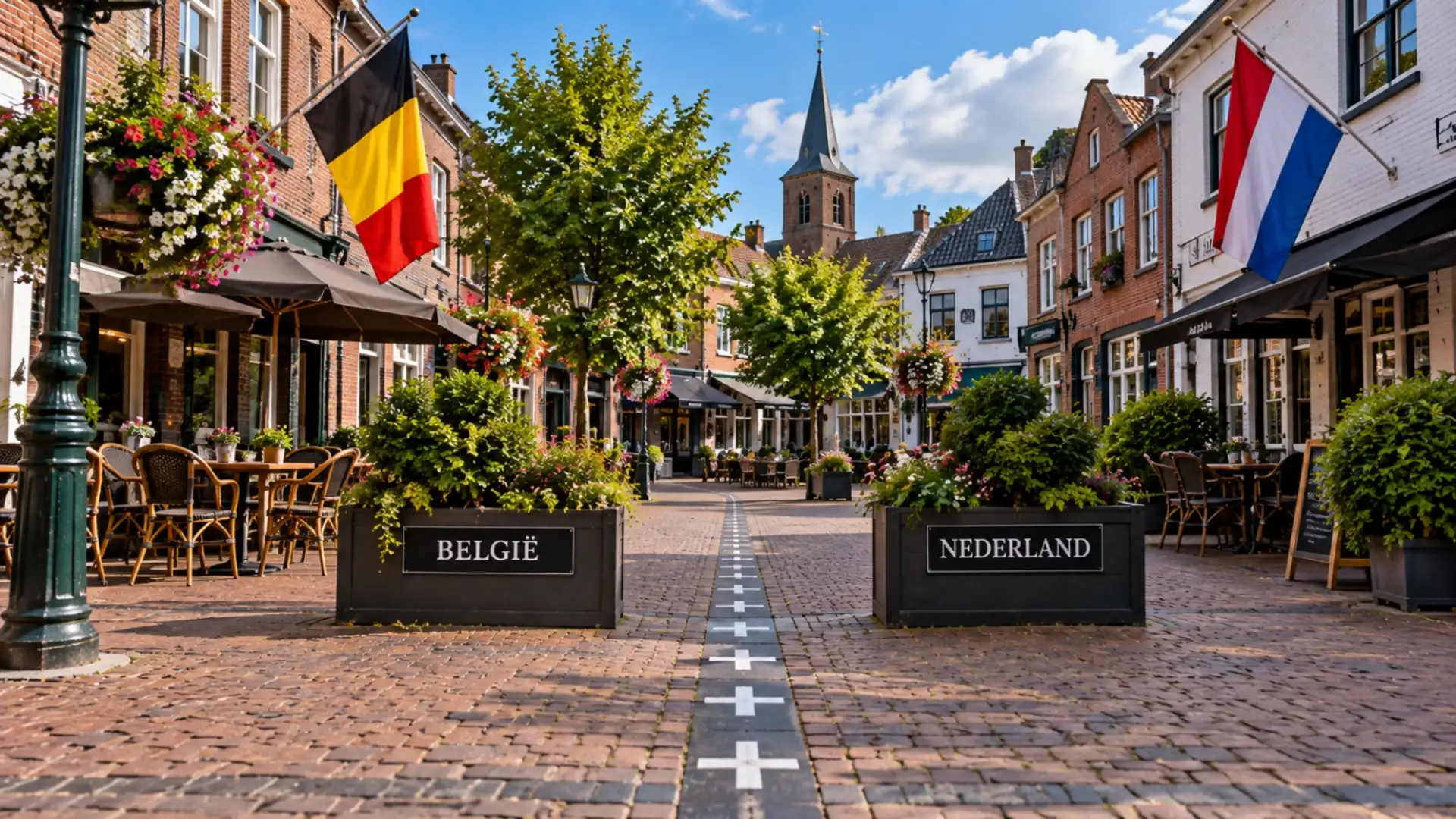
What makes the arrangement unusual is the number of enclaves. The local tourism authority says the area contains 30 Belgian and Dutch enclaves intertwined with one another.
An enclave is territory belonging to one country that is completely surrounded by another country.
In Baarle, these pieces of land are scattered through the settlement like a geographical puzzle.
It can cross roads, gardens and even buildings. House numbers can also indicate which country the entrance belongs to.
This creates situations that sound almost fictional. A person can walk across a street and move from Belgium into the Netherlands without noticing any obvious change.
The arrangement is not a modern experiment. Baarle's history stretches back centuries, with the name appearing in a document dating to 992.
Municipal services, addresses, public administration and property boundaries all have to account for the complicated geography.
Yet residents also live ordinary lives. They shop, work, eat and socialise across the border.
We normally imagine international borders as lines separating countries on a map. In Baarle, the border becomes part of the pavement beneath your feet.
At a time when international boundaries are often discussed in terms of politics and security, this unusual village offers another perspective.
A border can also be something people cross every day without ceremony.
In Baarle, geography does not separate two communities. It has become part of their shared identity.
The Extraordinary Enclaves of Baarle
Baarle is divided between the Dutch municipality of Baarle-Nassau and the Belgian municipality of Baarle-Hertog.What makes the arrangement unusual is the number of enclaves. The local tourism authority says the area contains 30 Belgian and Dutch enclaves intertwined with one another.
An enclave is territory belonging to one country that is completely surrounded by another country.
In Baarle, these pieces of land are scattered through the settlement like a geographical puzzle.
Borders Run Through Everyday Life
The international boundary is marked visibly in many parts of the town with paving stones and metal plates.It can cross roads, gardens and even buildings. House numbers can also indicate which country the entrance belongs to.
This creates situations that sound almost fictional. A person can walk across a street and move from Belgium into the Netherlands without noticing any obvious change.
The arrangement is not a modern experiment. Baarle's history stretches back centuries, with the name appearing in a document dating to 992.
When Geography Affects Daily Administration
Living in a place divided by an international border can affect surprisingly ordinary matters.Municipal services, addresses, public administration and property boundaries all have to account for the complicated geography.
Yet residents also live ordinary lives. They shop, work, eat and socialise across the border.
Why Baarle Matters Today
Baarle is fascinating because it turns an abstract idea into something physical.We normally imagine international borders as lines separating countries on a map. In Baarle, the border becomes part of the pavement beneath your feet.
At a time when international boundaries are often discussed in terms of politics and security, this unusual village offers another perspective.
A border can also be something people cross every day without ceremony.
In Baarle, geography does not separate two communities. It has become part of their shared identity.
Next Story