
The Regional Indian Dishes Most Indians Have Never Tried

India is often described as a country where food changes every few hundred kilometres, and that is not an exaggeration. Yet when Indian cuisine is discussed internationally, the same familiar names tend to dominate: butter chicken, biryani, naan, dosa and samosas. They are delicious, but they represent only a fraction of the country's culinary landscape. Across India's villages, hills, forests and coastal communities are dishes that remain largely unknown outside their home regions. From Jharkhand's dhuska to Odisha's chhena poda and Uttarakhand's earthy Kumaoni preparations, these foods tell stories that restaurant menus often leave out.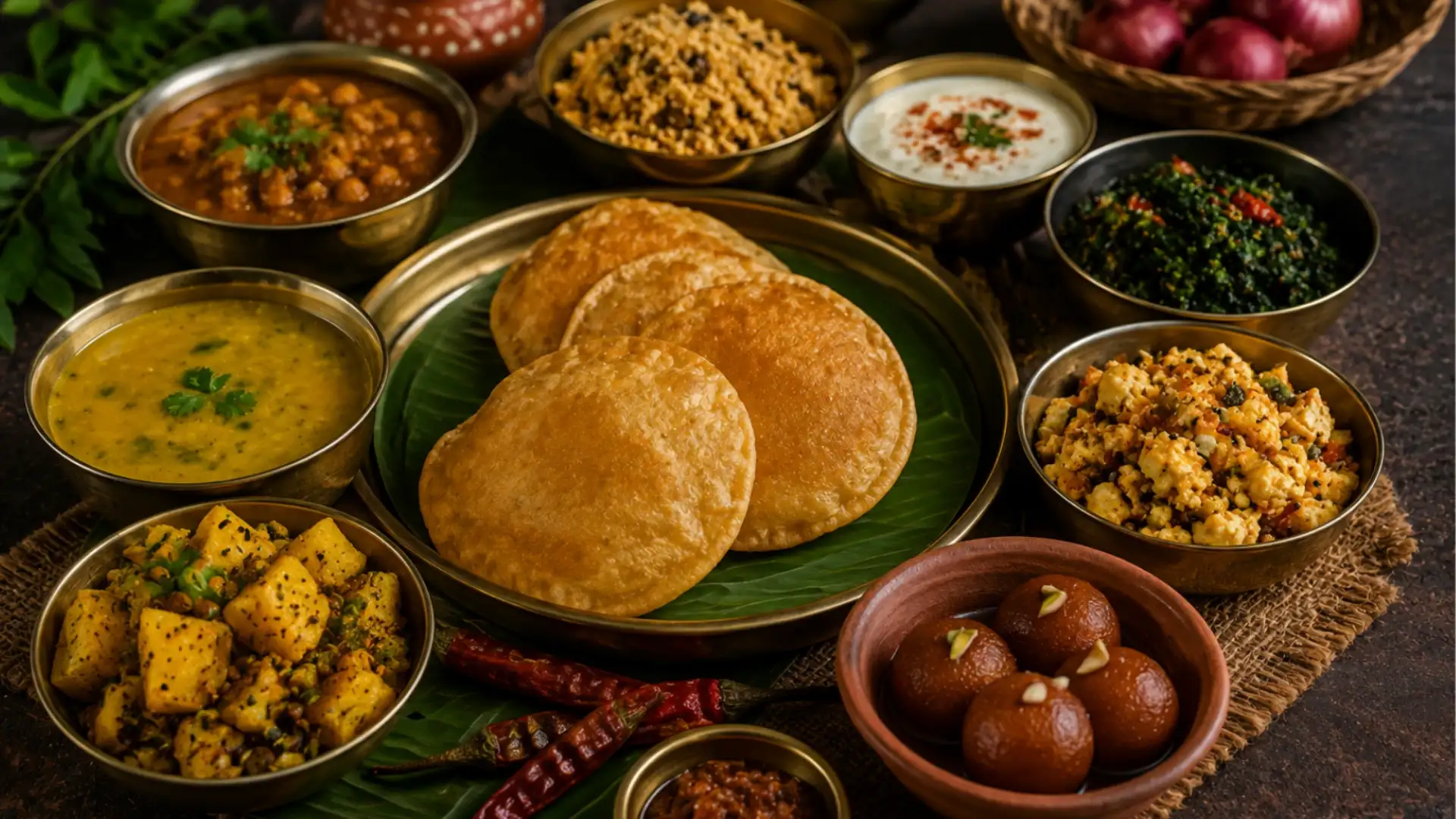
That explains why a dish that is an everyday staple in one state can be virtually unknown in another. Food writers have repeatedly pointed out that India's lesser-known regional dishes reflect local agriculture, culture and history in remarkably specific ways.
In Odisha, chhena poda offers something completely different. The sweet, caramelised dessert is made from chhena, or fresh cottage cheese, and has become one of the state's signature foods despite remaining far less internationally recognised than many Indian sweets.
What makes these foods important is not simply their novelty. Many rely on ingredients and techniques adapted over generations to local climates and farming systems.
Trying regional Indian dishes is therefore more than a culinary adventure. It supports home cooks, small producers and traditional food knowledge.
India's food story is not one cuisine with countless recipes. It is thousands of food cultures living side by side. Some of the country's greatest culinary discoveries may still be waiting in kitchens that have never appeared on a tourist menu.
India's Culinary Map Is Far Bigger Than Its Famous Dishes
Regional Indian cuisine is shaped by geography as much as tradition. Coastal communities naturally developed foods around fish, coconut and rice, while mountain kitchens relied heavily on grains, pulses, wild greens and preserved ingredients.That explains why a dish that is an everyday staple in one state can be virtually unknown in another. Food writers have repeatedly pointed out that India's lesser-known regional dishes reflect local agriculture, culture and history in remarkably specific ways.
From Jharkhand's Dhuska to Odisha's Chhena Poda
Jharkhand's dhuska is a good example. Made from rice and lentils, the fermented batter is deep-fried and commonly enjoyed with a spicy accompaniment. Other local foods, including chilka roti, kurthi dal and arsa, demonstrate how strongly the state's cuisine is connected to grains, pulses and locally available ingredients.In Odisha, chhena poda offers something completely different. The sweet, caramelised dessert is made from chhena, or fresh cottage cheese, and has become one of the state's signature foods despite remaining far less internationally recognised than many Indian sweets.
You may also like
- A town in the Netherlands will not let you live there unless you grow food on at least half of your land
- From beauty to self-care: Cosmetics are becoming everyday essentials
- Four things every diner should check before ordering food
- In Pune's Camp area, Solanki Booksellers has become an iconic landmark for bibliophiles
- Hip-hop artiste Addy TPC on Blitz 26: Consistency has become my biggest creative statement
The Forgotten Foods Are Often the Most Interesting
There are equally fascinating examples elsewhere, from Kumaoni cuisine in Uttarakhand to tribal food traditions in Nagaland and the distinctive flavours of Chettinad in Tamil Nadu.What makes these foods important is not simply their novelty. Many rely on ingredients and techniques adapted over generations to local climates and farming systems.
Why These Dishes Matter Today
Modern food culture has made regional Indian cuisine easier to discover, but it has also created a risk of simplification. A handful of nationally popular dishes can overshadow hundreds of local preparations.Trying regional Indian dishes is therefore more than a culinary adventure. It supports home cooks, small producers and traditional food knowledge.
India's food story is not one cuisine with countless recipes. It is thousands of food cultures living side by side. Some of the country's greatest culinary discoveries may still be waiting in kitchens that have never appeared on a tourist menu.






Loving Newspoint? Download the app now
